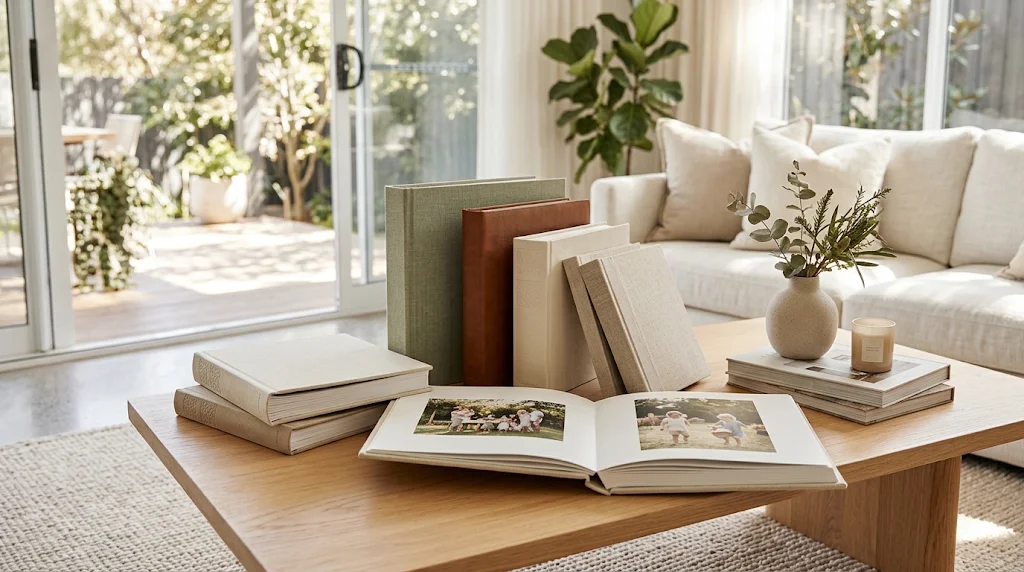
Photographs capture moments that are easy to forget: a child’s first school day, a family reunion, a wedding, or an ordinary afternoon that later becomes special. Although thousands of pictures can live on a phone, printed photographs offer a different experience. They can be passed around a table, displayed without a screen, and shared across generations. Shopping for a wide range of photo albums helps you find a practical home for those memories rather than leaving prints in envelopes or drawers.
The right album depends on how many photographs you want to keep, their dimensions, how frequently you plan to look through them, and whether you enjoy adding handwritten notes. For Australian households, it also makes sense to consider heat, humidity, storage space, and delivery conditions. This guide explains common album formats, materials, organisation ideas, and care habits without assuming that any particular retailer stocks every type discussed.
Start With the Memories You Want to Keep
Before comparing covers, decide what the album will contain. A wedding collection may feature mostly professional prints in a consistent size, while a family archive might include photographs from different decades. A holiday album may need space for tickets, captions, and postcards. Looking through a wide range of photo albums is easier when you know the purpose of the finished collection.
Everyday Family Collections
For birthdays, school events, pets, and family gatherings, an album that allows easy rearrangement can be convenient. Consider reserving a few pages for each month or event rather than filling every available space immediately. A broad chronological structure makes the collection simple for other family members to understand.
Special Occasions and Milestones
Wedding, graduation, anniversary, and baby albums often benefit from a more deliberate layout. Choose a format that leaves enough room for favourite portraits and meaningful details. When exploring a wide range of photo albums, pay attention to page capacity, available photo orientations, and whether the design complements the occasion without overpowering the photographs.
Personal Projects and Gifts
An album can also become a recipe scrapbook, travel diary, family-history project, or thoughtful gift. The best design is the one that supports the story you want to tell. If several people will contribute pictures, agree on print sizes and a simple organisation system before buying materials.
Understand the Main Album Formats
Album styles differ in how they hold pictures and how freely you can arrange them. A wide range of photo albums may include slip-in pockets, self-adhesive pages, traditional scrapbook leaves, and refillable ring-binder formats. Each offers useful advantages alongside limitations.
Slip-In Pocket Albums
Pocket albums have sleeves intended for specified print dimensions. You slide photographs into the pockets, often with little additional equipment. They suit collections where most prints share the same size and a tidy, regular layout matters. Check whether pockets support landscape images, portrait images, or both; some models provide a small writing area beside each picture.
Traditional Scrapbook Pages
Blank-page albums allow creative arrangements, including multiple print sizes, captions, and carefully selected keepsakes. They require appropriate photo corners or other mounting supplies. When considering a wide range of photo albums for scrapbooking, check page thickness and whether the binding allows space for decorated pages. Thick embellishments can make an ordinary album difficult to close.
Self-Adhesive or Magnetic-Style Pages
Some albums use a lightly adhesive surface beneath a clear overlay. These can simplify flexible positioning, but long-term preservation depends on the actual materials used. The term “magnetic” does not necessarily describe a magnet or guarantee archival quality. For valuable originals, ask about adhesive chemistry and consider an alternative that avoids direct adhesive contact.
Refillable and Binder Designs
Ring or post-bound albums can make it easier to add or rearrange pages. Confirm that matching replacement pages remain available and fit the exact binding. Choosing from a wide range of photo albums with refillable systems can be practical for collections expected to grow over several years.
Match the Album to Your Print Sizes
Photograph dimensions should guide the purchase, not merely the exterior cover size. In Australia, common print options include 10 × 15 cm, 13 × 18 cm, and other sizes depending on the print provider. Measure existing prints instead of guessing from their appearance, especially when they were produced overseas or many years ago.
Check Capacity and Layout
A description such as “200 photos” may assume one particular print size and arrangement. Look for the number of pages, pockets per page, and permitted orientation. Within a wide range of photo albums, two products with similar external dimensions may hold very different numbers of pictures. Also consider whether adding captions reduces usable space.
Leave Room for Future Prints
If you are building a child’s memory collection or a family archive, choose a realistic capacity for future additions. An album packed too tightly may be awkward to use. It can be better to divide a large archive into several clearly labelled volumes than to force every photograph into one oversized book.
Covers, Bindings, and Everyday Durability
The cover sets the appearance, but construction determines how comfortably the album opens and handles repeated use. Common options include fabric, paper-wrapped board, faux leather, genuine leather, and rigid decorative covers. A wide range of photo albums offers styles for casual shelves, formal presentations, and children’s bedrooms; judge them on functionality as well as appearance.
Choosing a Cover Material
Fabric can feel warm and understated, although some weaves collect dust and stains. Wipe-clean synthetic coverings may suit frequently handled family albums. Decorative paper covers can be attractive but may scuff at corners. No material is automatically superior; examine the maker’s care instructions and assess who will handle the book.
Binding and Page Movement
Pages should turn without excessive resistance, and the spine should accommodate the intended contents. If you plan to add several prints or mementos per page, a binding with suitable expansion capacity matters. For a wide range of photo albums, review product photographs showing the album open, not just the closed cover.
When a Larger Album Is Less Convenient
A heavy album may be impressive on a coffee table but difficult for children or older relatives to handle. Think about shelf depth, lifting weight, and whether the book can lie comfortably on a table. Smaller themed volumes may be easier to revisit and share.
Protecting Prints for the Long Term
Photographs can be damaged by sunlight, excess moisture, heat, abrasion, and unsuitable storage materials. Preserving them begins with clean hands and stable storage conditions. If you are comparing a wide range of photo albums for irreplaceable family pictures, look beyond decorative claims and examine how the prints touch the pages.
Understand Preservation Claims
Terms such as “acid-free,” “lignin-free,” and “archival” can be helpful, but they should be supported by meaningful material information. For highly valuable prints, seek products designed for photographic preservation, with appropriate enclosures and tested materials. Avoid assuming that a generic plastic sleeve is archival simply because it looks transparent.
Keep Valuable Originals Separate
Old or fragile photographs may be safer in suitable individual archival enclosures than in an album handled regularly. Consider making high-quality copies for display while preserving originals separately. A wide range of photo albums can house your viewing copies beautifully without requiring delicate originals to be handled at every gathering.
Avoid Poor Storage Locations
Keep albums away from direct sun, damp garages, hot roof spaces, and places vulnerable to leaks. In warmer or more humid Australian conditions, a relatively stable indoor cupboard or shelf is preferable to an uncontrolled storage area. Do not pack damp albums into sealed containers; moisture can encourage deterioration.
Creative Ways to Organise a Collection
An album becomes more useful when its structure tells a clear story. You might organise by year, person, location, milestone, or theme. For a large collection, write a short inventory before printing everything. This can help you select meaningful images and avoid filling dozens of pages with nearly identical shots.
Add Context Without Clutter
A date, location, and short caption can make a photograph more valuable to future generations. Use a suitable separate label or writing area rather than writing directly on an important original. When choosing a wide range of photo albums, look for enough breathing room to include names and brief memories alongside pictures.
Mix Portraits and Small Details
For a holiday collection, pair a landscape photograph with a picture of a meal, ticket, or local detail. For a wedding, place candid moments near formal portraits. This variety creates a readable sequence rather than a repetitive gallery. Keep decorations simple when they might press against photographs on facing pages.
Buying Considerations for Australian Shoppers
When ordering online, verify dimensions in centimetres, the stated photo capacity, page material, delivery coverage, and return conditions. Photographs of a product may not reveal the thickness of its pages or the true colour of the cover. Comparing a wide range of photo albums is most useful when each option is assessed against the same checklist.
Compare the Total Cost
Include delivery charges, extra sleeves, mounting supplies, and printing costs when estimating a project budget. A low-cost empty album may need additional accessories, while a more expensive pocket album might include everything required for standard prints. Prices and availability change, so rely on current product details rather than a general buying guide.
Check Details Before Ordering
Read descriptions carefully for the number of pages, print orientation, binding style, and whether the album is refillable. If a particular product claim matters, ask the seller to confirm it in writing. A wide range of photo albums may look similar in photographs while differing substantially in the materials that touch your prints.
Frequently Asked Questions
What Is the Easiest Style for Beginners?
A pocket album is often a straightforward choice if your prints all share a standard size. Within a wide range of photo albums, choose pockets that match your actual prints. A wide range of photo albums also includes blank-page options for people who enjoy arranging photographs and writing captions. Choose the style you are most likely to use consistently.
Are Self-Adhesive Pages Safe for Old Pictures?
That depends on the materials and the condition of the photographs. For valuable originals, avoid unverified adhesive contact. Preservation-quality sleeves or separate enclosures may offer a more cautious approach.
How Many Photographs Should One Album Hold?
There is no ideal number for every household. Consider how often the album will be handled, how much it weighs, and whether you want space for captions. Several smaller albums may be more convenient than one enormous volume.
Can I Use an Album for Instant Camera Prints?
Yes, if the page design accommodates their actual dimensions and thickness. Measure the prints and avoid forcing them into sleeves intended for thinner, larger photographs. Check compatibility before purchase.
How Should I Store Completed Albums?
Keep them in a clean, dry, stable indoor environment away from direct sunlight and water risks. Do not overcrowd shelves or place excessive weight on fragile covers. Follow any material-specific storage guidance.
What Makes an Album a Thoughtful Gift?
A personal selection of photographs, clear dates, and a few short stories often matter more than elaborate decorations. When browsing a wide range of photo albums for a gift, choose a format the recipient can open easily and continue using.
Conclusion
Selecting from a wide range of photo albums becomes simpler when you begin with the memories rather than the cover design. Match the format to your print sizes, choose sensible capacity, inspect materials that contact the photographs, and plan for safe storage. Whether you are preserving a family archive or creating a gift, a well-organised album turns printed pictures into a collection people can enjoy and understand for years to come.