Improving your home’s energy efficiency is one of the smartest ways to reduce monthly expenses while creating a more comfortable living environment. Whether you live in a small apartment, a suburban house, or an older property, simple energy-saving improvements can make a meaningful difference.
Across the United States, homeowners face changing electricity prices, seasonal heating demands, and rising household expenses. An energy-efficient home uses less energy to maintain comfortable indoor temperatures, power appliances, and support everyday activities.
Fortunately, improving energy efficiency does not always require expensive renovations. Small adjustments, regular maintenance, and carefully selected upgrades can help you reduce unnecessary energy consumption.
This guide explores practical ways to improve your home’s energy efficiency, lower utility bills, and enjoy greater comfort throughout the year.
What Is Home Energy Efficiency?
Home energy efficiency refers to how effectively a house uses energy for heating, cooling, lighting, appliances, and other essential activities.
An energy-efficient home delivers the same comfort and functionality while consuming less electricity or fuel.
For example, proper insulation helps maintain comfortable indoor temperatures without forcing heating and cooling systems to work continuously. Similarly, modern energy-efficient appliances can perform everyday tasks using less electricity than older, inefficient models.
Improving your home’s energy efficiency involves identifying where energy is wasted and making changes that reduce unnecessary consumption.
Why Energy Efficiency Matters for American Homeowners
Energy efficiency offers several important benefits for households throughout the United States.
These include:
- Lower monthly electricity and heating bills.
- Improved indoor comfort during different seasons.
- Reduced strain on heating and cooling equipment.
- Less unnecessary household energy consumption.
- Potential improvements in property appeal and value.
Energy efficiency also supports environmental sustainability by reducing the energy required to operate a home.
1. Improve Your Home’s Insulation
Insulation plays an essential role in maintaining a comfortable indoor environment.
Without adequate insulation, warm air can escape during winter, while outdoor heat enters during summer. This creates additional work for heating and cooling systems.
Focus on Important Insulation Areas
Several parts of a home deserve particular attention.
Attics: Proper attic insulation helps reduce heat transfer through the roof and ceiling.
Exterior walls: Insulated walls limit unwanted heat movement between indoor and outdoor environments.
Floors: Insulation beneath floors can improve comfort, particularly above garages or unconditioned spaces.
Basements and crawl spaces: Appropriate insulation and moisture control can help maintain indoor temperatures.
The ideal insulation level depends on your climate, building design, and existing insulation.
Before adding insulation, check for moisture problems and air leaks that may need attention.
2. Seal Air Leaks Around Your House
Air leaks are a common source of wasted energy in American homes.
Small openings around windows, doors, plumbing penetrations, and attic access points allow conditioned air to escape.
As a result, heating and cooling systems may run longer than necessary.
Simple Ways to Prevent Air Leakage
Weatherstripping around doors and operable windows can reduce unwanted drafts.
Caulking is useful for sealing suitable stationary gaps around window frames, trim, and other building joints.
Homeowners should also inspect attic openings and areas where pipes or cables pass through walls.
However, never block required ventilation openings, combustion-air supplies, or appliance exhausts.
Addressing air leakage can improve comfort and help your HVAC system operate more efficiently.
3. Upgrade to Energy-Efficient Windows
Windows influence indoor temperatures, natural lighting, and overall household energy consumption.
Older windows may allow excessive heat transfer, especially when they have single-pane glass or poorly sealed frames.
Modern energy-efficient windows often feature insulated glazing, improved frames, and specialized coatings.
Choose Windows Based on Your Climate
Homeowners in colder northern states may prioritize windows that reduce heat loss during winter.
In warmer regions, limiting unwanted solar heat gain can be especially important.
Double-pane windows and appropriate low-emissivity coatings can help manage heat transfer.
If replacing windows is outside your budget, consider repairing seals, installing suitable storm windows, or using insulating window coverings.
These improvements may offer practical benefits without a complete replacement.
4. Maintain Your Heating and Cooling System
Heating, ventilation, and air conditioning systems significantly influence a home’s energy use.
An inefficient HVAC system may consume more energy while struggling to maintain comfortable indoor temperatures.
Regular maintenance helps equipment operate as intended.
Practical HVAC Maintenance Tips
Replace or clean air filters according to manufacturer recommendations.
Keep supply and return vents unobstructed to support proper airflow.
Schedule professional inspections when needed, especially before demanding heating or cooling seasons.
Inspect accessible ductwork for obvious damage or leakage, and arrange professional repairs where appropriate.
If your equipment is approaching the end of its useful life, consider comparing modern high-efficiency systems.
A properly sized system is important because oversized or undersized equipment can create comfort and performance problems.
5. Install a Smart or Programmable Thermostat
Managing indoor temperature settings is another effective way to improve your home’s energy efficiency.
Smart and programmable thermostats can automatically adjust temperatures according to household schedules.
For example, compatible systems may reduce heating or cooling demand when residents are away.
How to Use Thermostat Settings Effectively
Choose comfortable temperature settings that match your household’s routine.
Avoid unnecessary heating or cooling in unoccupied spaces.
Some smart thermostats provide energy reports and scheduling features that make household consumption easier to understand.
However, homeowners with heat pumps should confirm appropriate thermostat compatibility and setback settings, since certain adjustments can trigger inefficient auxiliary heating.
Correct thermostat operation can reduce wasted energy without sacrificing everyday comfort.
6. Switch to Energy-Efficient Lighting
Lighting is one of the easiest areas to improve household energy efficiency.
Traditional incandescent bulbs convert much of their electricity into heat rather than visible light.
LED bulbs use significantly less energy and generally last longer.
Make Better Lighting Choices
Replace frequently used traditional bulbs with suitable LED alternatives.
Choose brightness levels and color temperatures appropriate for each room.
Take advantage of natural daylight where practical.
Consider motion sensors for spaces such as storage rooms, hallways, or garages.
Turning off unnecessary lights also remains a simple, reliable energy-saving habit.
Together, these changes can lower lighting-related electricity consumption without major renovation expenses.
7. Choose Energy-Efficient Appliances
Major household appliances can account for a substantial portion of residential electricity use.
Refrigerators, washing machines, dishwashers, and clothes dryers operate frequently in many American homes.
When replacing older appliances, consider models designed to deliver strong performance with lower energy consumption.
Look for ENERGY STAR Products
ENERGY STAR certification helps consumers identify products that meet applicable energy-efficiency criteria.
Compare estimated annual operating costs using the EnergyGuide label when available.
You should also consider appliance capacity, household needs, and expected usage.
Buying an oversized refrigerator or washing machine may increase unnecessary energy consumption.
Remember that replacing a functioning appliance immediately is not always the most economical choice. Consider purchase costs and potential energy savings before upgrading.
8. Reduce Water Heating Energy Consumption
Water heating is another important consideration when improving household energy performance.
Hot showers, laundry, dishwashing, and other everyday activities require energy to heat water.
Reducing unnecessary hot water consumption can help lower energy expenses.
Easy Water Heating Improvements
Install efficient showerheads and faucet fixtures that maintain suitable water flow.
Repair dripping hot water faucets promptly.
Wash laundry in cold water whenever appropriate for the fabric and cleaning requirements.
Consider insulating accessible hot water pipes where recommended.
If your water heater is aging, investigate efficient replacement options, including heat pump water heaters where suitable.
Always follow manufacturer instructions and applicable safety guidance when adjusting water heater settings.
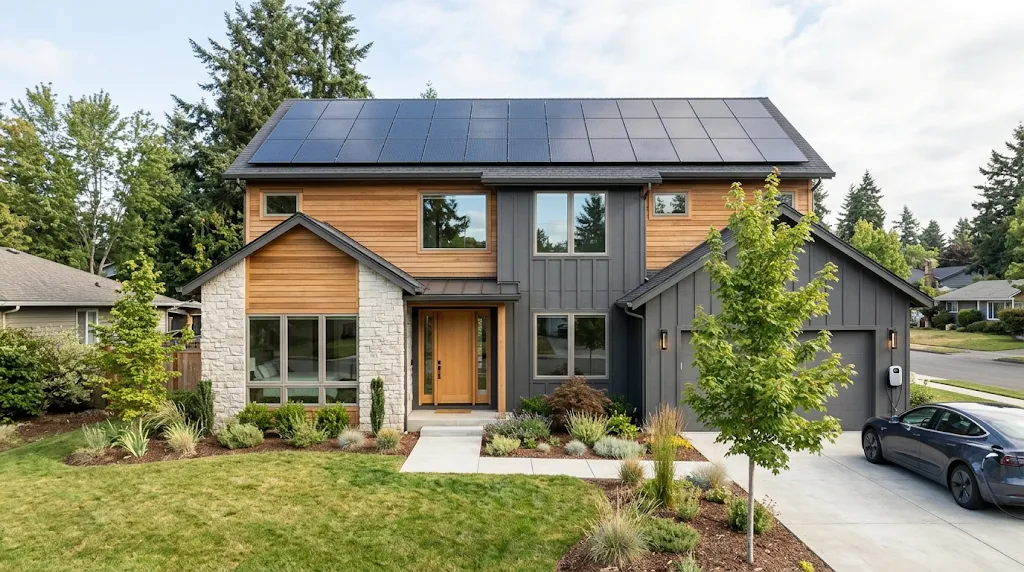
9. Consider Solar Energy for Long-Term Savings
Solar panels can help homeowners generate electricity from sunlight and reduce reliance on purchased electricity.
However, solar installation is not equally suitable for every property.
Roof condition, shading, local electricity rates, installation costs, and available incentives all influence potential benefits.
Evaluate Solar Before Investing
Start by understanding your current electricity consumption.
Then review your roof’s orientation, available sunlight, and structural condition.
Compare installation quotes, financing terms, equipment warranties, and projected savings.
Homeowners should also verify current federal, state, and local incentive eligibility rather than assuming particular tax benefits are available.
Improving insulation and reducing household energy waste before installing solar panels may help you choose a more appropriately sized system.
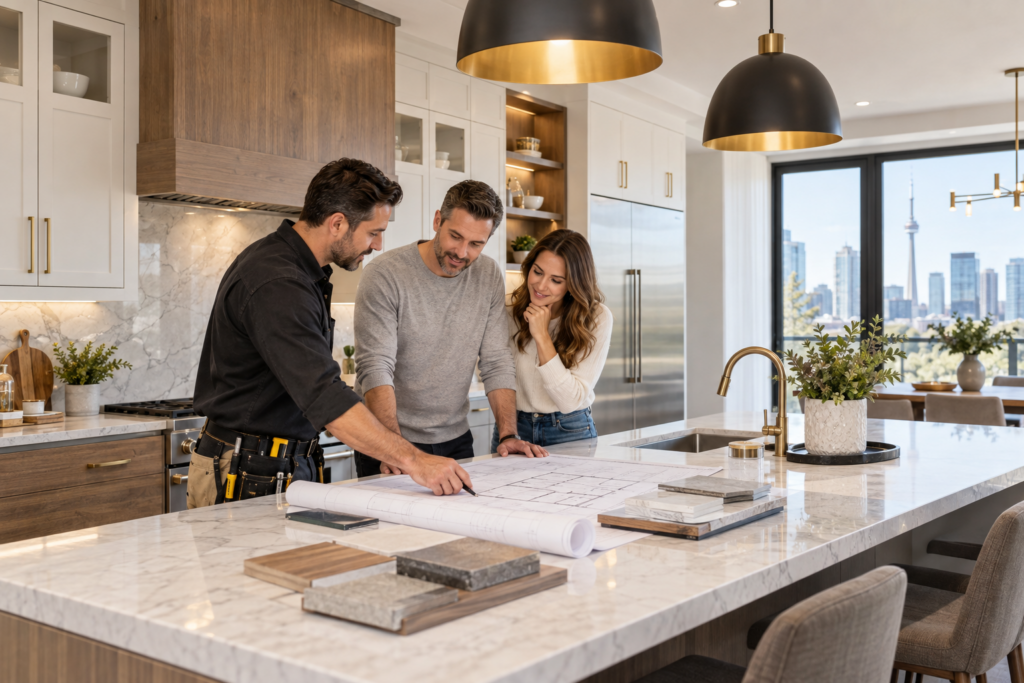
10. Conduct a Home Energy Audit
A home energy audit helps identify areas where a property wastes energy.
Professional energy assessments may examine insulation, air leakage, HVAC performance, and other building characteristics.
Some audits include specialized diagnostic testing to locate hidden inefficiencies.
What Happens During an Energy Audit?
An energy professional evaluates relevant parts of your home and identifies potential improvement opportunities.
Recommendations may include sealing air leaks, upgrading insulation, improving HVAC performance, or replacing inefficient equipment.
Homeowners can also begin with a basic self-assessment by reviewing utility bills, checking visible insulation, and identifying uncomfortable rooms.
An audit provides a useful starting point for prioritizing improvements according to cost, potential savings, and household needs.
Additional Energy-Saving Habits for Everyday Life
Beyond major upgrades, everyday routines can influence your home’s energy efficiency.
Run dishwashers and washing machines with appropriately sized loads.
Avoid leaving unnecessary electronics operating continuously.
Use ceiling fans to improve comfort when rooms are occupied, remembering that fans cool people rather than lowering room temperature.
Keep refrigerator doors closed whenever possible and maintain suitable temperature settings.
During summer, manage direct sunlight with blinds or shades. During colder months, allow beneficial sunlight into rooms when appropriate.
Consistent habits can complement larger home improvements and help control utility expenses.
Frequently Asked Questions
What Is the Cheapest Way to Improve Home Energy Efficiency?
Low-cost improvements include sealing appropriate air leaks, switching to LED lighting, maintaining HVAC filters, and adjusting thermostat schedules. The best starting point depends on where your home currently wastes energy.
How Can I Make an Older House More Energy Efficient?
Begin with an energy assessment, then prioritize insulation, draft reduction, heating and cooling maintenance, and efficient lighting. Older homes may need professional evaluation before major renovations.
Do Energy-Efficient Windows Really Save Money?
They can reduce unwanted heat transfer and improve indoor comfort. Actual savings depend on climate, existing window performance, installation quality, and energy prices.
Is a Smart Thermostat Worth Installing?
A compatible smart thermostat can be useful for households with variable schedules. Potential savings depend on the HVAC system, settings, climate, and occupancy patterns.
How Often Should I Check My Home’s Energy Efficiency?
Review household energy bills regularly and assess major systems during routine maintenance. A more comprehensive evaluation is useful when utility expenses rise unexpectedly or comfort problems develop.
Conclusion
Improving your home’s energy efficiency is an investment in comfort, affordability, and long-term household performance.
From insulation and air sealing to efficient lighting, HVAC maintenance, and smarter appliance choices, there are numerous ways to reduce unnecessary energy consumption.
You do not need to complete every improvement simultaneously. Start with practical, affordable changes and gradually address larger opportunities according to your budget.
By making informed decisions and developing consistent energy-saving habits, American homeowners can create more comfortable living spaces while managing household utility costs effectively.