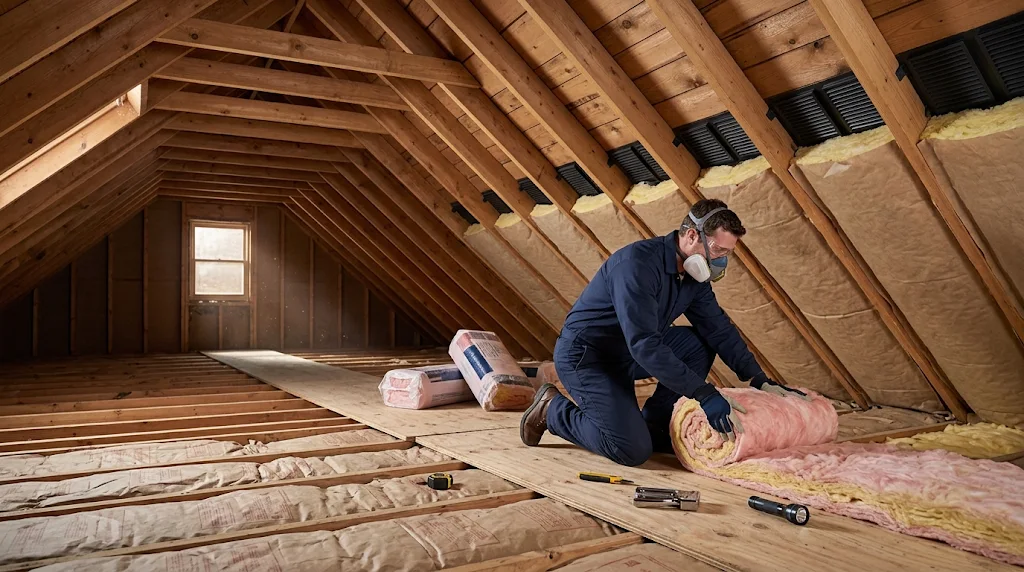
Living in New Orleans means enjoying historic neighborhoods, distinctive architecture, and a vibrant culture. However, Louisiana’s hot summers, high humidity, and unpredictable weather can make maintaining a comfortable home challenging.
Air conditioning systems often work harder during warmer months, particularly when homes have inadequate insulation or unwanted air leaks.
A poorly insulated attic allows unwanted heat transfer between the attic and living areas, potentially increasing cooling expenses and making indoor temperatures less comfortable.
This is why professional New Orleans attic insulation services are an important consideration for homeowners looking to improve energy efficiency and indoor comfort.
Whether you own a historic New Orleans property, a suburban family home, or a recently constructed residence, appropriate attic insulation can support better temperature control and reduce unnecessary energy consumption.
However, different insulation materials and installation methods offer different benefits.
This guide explains attic insulation options, common warning signs, installation costs, moisture considerations, and practical tips for choosing qualified insulation contractors in New Orleans in 2026.
Why Attic Insulation Matters in New Orleans
New Orleans experiences long periods of warm, humid weather, making home cooling a significant concern for residents.
During hot weather, heat entering the attic can influence temperatures in nearby living spaces.
Adequate insulation helps slow heat transfer, allowing heating and cooling systems to maintain indoor temperatures more efficiently.
Better Indoor Temperature Control
Properly installed attic insulation helps maintain more consistent temperatures throughout the home.
Bedrooms and upstairs living areas may become more comfortable, especially during hot afternoons.
However, insulation works best when combined with appropriate air sealing and an efficiently functioning HVAC system.
Lower Energy Consumption
Reducing unwanted heat transfer can decrease the workload placed on cooling equipment.
ENERGY STAR identifies attic insulation and air sealing as important improvements for enhancing home comfort and energy efficiency. ENERGY STAR
Actual savings depend on existing insulation, home construction, energy use, and installation quality.
Protection Against Moisture Problems
Humidity is an important consideration in Louisiana homes.
Poorly managed moisture can damage insulation and surrounding building materials.
A properly designed insulation system should account for air leakage, roof conditions, and moisture control.
Signs Your New Orleans Home Needs Attic Insulation
Homeowners do not always recognize insulation problems immediately.
However, several warning signs may indicate that an attic needs professional attention.
Unusually High Energy Bills
If electricity costs increase without an obvious explanation, inadequate insulation may be contributing to excessive cooling demand.
An energy assessment can help determine whether insulation, air leaks, or HVAC performance are responsible.
Uneven Indoor Temperatures
Some rooms may feel noticeably warmer than others, particularly upstairs bedrooms.
Insufficient attic insulation can contribute to these temperature differences.
Visible Insulation Gaps
Insulation that appears thin, compressed, uneven, or missing may provide inadequate coverage.
ENERGY STAR recommends checking whether attic floor joists remain visible, which can indicate insufficient insulation in some homes. ENERGY STAR
Moisture or Musty Odors
Water stains, damp insulation, and persistent musty smells may indicate roof leaks or moisture problems.
These issues should be investigated before installing additional insulation.
Different Types of Attic Insulation Available in New Orleans
Selecting an insulation material depends on your home’s construction, budget, climate conditions, and desired performance.
Spray Foam Insulation
Spray foam is applied as a liquid that expands and hardens, creating an insulating layer.
Depending on the product and installation design, it can also help reduce air leakage.
Open-cell and closed-cell spray foam have different characteristics, including density, vapor permeability, and insulating performance.
Professional evaluation is important before selecting either option.
Blown-In Fiberglass Insulation
Blown-in fiberglass consists of loose fibers installed using specialized equipment.
It can provide coverage across attic floors and around framing when installed correctly.
This option is commonly considered for existing homes requiring additional insulation.
Cellulose Insulation
Cellulose insulation typically contains treated recycled paper fibers.
It can be installed in attic spaces using blowing equipment.
Because moisture conditions influence insulation performance, contractors should evaluate whether cellulose is appropriate for the property.
Fiberglass Batt Insulation
Fiberglass batts are premanufactured insulation sections designed to fit between framing members.
They can work effectively when installed without significant gaps, compression, or misalignment.
The best choice depends on the attic layout and installation conditions.
Understanding R-Value for Attic Insulation
R-value measures a material’s resistance to heat flow.
Generally, a higher R-value indicates greater resistance to heat transfer.
However, the appropriate insulation level depends on climate, building design, and installation location.
Recommended Insulation Levels
New Orleans generally falls within climate zone 2.
ENERGY STAR’s current retrofit recommendations identify R-49 for an uninsulated attic in this zone, or adding approximately R-38 where an attic already has three to four inches of insulation. ENERGY STAR
These are general retrofit recommendations, not substitutes for applicable building codes or a property-specific assessment.
Why Installation Quality Matters
Even insulation with an appropriate R-value can perform poorly when installed incorrectly.
Gaps, uneven coverage, air leakage, and moisture problems can reduce overall effectiveness.
Professional installation should address these issues together.
What Do Professional New Orleans Attic Insulation Services Include?
Professional insulation contractors typically begin by evaluating the attic’s existing condition.
Attic Inspection and Assessment
Technicians examine existing insulation, visible moisture damage, air leakage, and accessible structural components.
They may also review ventilation and ductwork conditions.
Air Sealing and Preparation
Air sealing addresses unwanted airflow through gaps around penetrations, openings, and ceiling connections.
The U.S. Department of Energy identifies air sealing as an important part of effective attic insulation upgrades. Department of Energy
Insulation Installation
After necessary preparation, technicians install the selected insulation material according to the recommended specifications.
Some homeowners researching New Orleans attic insulation services may consider Star Spray Foam Insulation, which advertises attic insulation, energy audits, spray foam, and blower door testing in the New Orleans area. Star Spray Foam
Final Inspection
After installation, contractors should check coverage, installation quality, and relevant safety requirements.
Homeowners can request documentation showing the installed insulation type and R-value.
How Much Does Attic Insulation Cost in New Orleans?
Attic insulation costs vary according to the size, condition, and accessibility of the property.
A reliable estimate requires an assessment of the existing attic.
Factors Affecting Installation Costs
Important considerations include:
- Attic square footage and accessibility
- Insulation material and required thickness
- Existing insulation removal
- Air sealing requirements
- Moisture damage or necessary repairs
- Labor and installation complexity
Spray foam applications may involve different equipment and preparation requirements than traditional blown-in insulation.
Comparing Professional Estimates
Request detailed quotes from several qualified insulation contractors.
Each estimate should identify the material, R-value, installation area, preparation work, and total proposed cost.
Avoid selecting a contractor based only on the lowest price.
Attic Insulation and Humidity Control in Louisiana
New Orleans homeowners should pay particular attention to moisture management.
Why Humidity Matters
Moisture can enter attic spaces through roof leaks, air movement, and other pathways.
If moisture accumulates, it can reduce insulation performance and contribute to building deterioration.
Ventilation and Insulation Design
Traditional vented attics and properly designed unvented roof assemblies require different approaches.
A contractor should not block ventilation openings without evaluating the complete roof assembly.
The Department of Energy emphasizes that controlling moisture and ensuring appropriate attic ventilation are important for building durability. The Department of Energy’s Energy.gov
How to Choose the Right Attic Insulation Contractor
Hiring a qualified contractor helps ensure your insulation upgrade addresses the home’s actual needs.
Check Relevant Experience
Choose professionals familiar with Louisiana’s hot, humid climate and local construction practices.
Ask whether they have experience with your preferred insulation system.
Verify Insurance and Qualifications
Confirm appropriate insurance coverage and any licensing or registration required for the work.
Ask about employee training and installation safety procedures.
Review Customer Feedback
Look for consistent comments about workmanship, communication, punctuality, and cleanup.
Request references when appropriate.
Understand Safety Procedures
For spray foam projects, ask about ventilation, protective equipment, occupant reentry requirements, and applicable fire protection measures.
These details should be established before installation begins.
Common Attic Insulation Mistakes to Avoid
One common mistake is adding insulation without investigating existing moisture problems.
Another is overlooking air leakage around attic penetrations.
Homeowners may also choose inappropriate materials or fail to maintain required ventilation pathways.
Installing insulation over damaged or contaminated materials can create additional complications.
A comprehensive assessment helps identify these problems before work begins.
Frequently Asked Questions
What is the best attic insulation for New Orleans homes?
The best material depends on your attic design, existing insulation, moisture conditions, and budget. Fiberglass, cellulose, and spray foam may all be suitable in properly designed installations.
How long does attic insulation installation take?
Many straightforward projects can be completed within a day, while larger projects or those requiring removal and repairs may take longer.
Can attic insulation lower electricity bills?
Yes. Proper insulation and air sealing can reduce unwanted heat transfer and cooling demand. Actual savings depend on your home’s existing conditions.
Should old attic insulation be removed?
Not always. Existing insulation may remain if it is dry, suitable, and undamaged. Contaminated or deteriorated materials may require removal.
Is spray foam better than fiberglass?
Neither material is universally better. Their suitability depends on the required air control, insulation location, budget, moisture design, and installation conditions.
How often should attic insulation be inspected?
Inspect the attic when you notice moisture problems, unusual temperature differences, or signs of insulation damage, and consider checking it during routine home maintenance.
Conclusion
Investing in professional New Orleans attic insulation services can improve indoor comfort, support energy efficiency, and help homeowners manage Louisiana’s challenging climate.
From fiberglass and cellulose to spray foam systems, the right insulation depends on your home’s specific needs.
Proper air sealing, appropriate R-values, and careful moisture management are just as important as the insulation material itself.
Before beginning a project, compare qualified contractors, review installation proposals, and address existing roof or moisture problems.
With professional assessment and quality installation, homeowners can create more comfortable living spaces while supporting long-term energy efficiency and property maintenance.