Plumbing is one of the most important systems in any residential or commercial property. From providing clean water for drinking and cooking to removing wastewater safely, a properly functioning plumbing system supports everyday activities that people often take for granted.
Imagine starting your morning without running water, dealing with a leaking pipe in the middle of the night, or discovering that your kitchen drain is completely blocked. These situations demonstrate how much modern living depends on reliable plumbing.
For homeowners across the United States, maintaining a dependable plumbing system is essential for comfort, hygiene, safety, and property protection.
However, plumbing involves much more than faucets and pipes. It includes water supply lines, drainage systems, fixtures, water heaters, valves, and other components that work together.
Understanding how these systems operate can help property owners recognize problems early and make better maintenance decisions.
This guide explores the importance of plumbing, common household problems, professional services, maintenance practices, and practical ways to improve water efficiency in 2026.
What Is Plumbing and How Does It Work?
Plumbing refers to the system of pipes, fittings, fixtures, valves, and equipment used to distribute water and remove wastewater from buildings.
A residential plumbing system generally includes two primary networks: the water supply system and the drainage system.
Water Supply System
The water supply system brings water into a property from a municipal water connection or an approved private source.
Pipes distribute water to different fixtures, including kitchen sinks, bathroom faucets, showers, toilets, and appliances.
Depending on the installation, water heaters also supply hot water to selected fixtures.
Drainage and Wastewater System
The drainage system carries wastewater away from sinks, showers, toilets, and other plumbing fixtures.
Drainpipes use gravity and appropriate pipe slopes to transport wastewater toward the sewer connection or an approved septic system.
Properly designed drainage helps prevent unpleasant odors, backups, and sanitation problems.
Ventilation and Plumbing Components
Plumbing vent pipes help regulate pressure within drainage systems and allow sewer gases to escape safely.
Valves, traps, and other fittings also contribute to reliable operation.
When these components work correctly, households can enjoy consistent water access and effective wastewater removal.
Why Plumbing Is Essential for Modern Homes
A reliable plumbing system supports several important aspects of daily life.
1. Clean Water and Better Hygiene
Access to safe water is essential for drinking, preparing meals, bathing, and cleaning.
Proper plumbing helps deliver water to household fixtures while maintaining separation between clean water supplies and wastewater.
Backflow prevention and appropriate system maintenance are important for protecting water quality.
2. Comfort and Convenience
Modern homes depend on plumbing for everyday activities.
Showers, washing machines, dishwashers, kitchen sinks, and toilets all require properly functioning plumbing connections.
A dependable system makes household routines easier and reduces interruptions.
3. Protecting Property From Water Damage
Leaking pipes and damaged plumbing connections can cause serious structural problems.
Water may damage flooring, drywall, cabinets, insulation, and other building materials.
Promptly addressing plumbing problems can help prevent more expensive repairs.
The Environmental Protection Agency’s WaterSense program recommends regular leak inspections because household leaks can waste water and damage properties.
4. Supporting Public Health
Effective wastewater removal helps maintain sanitary living conditions.
Blocked drains, overflowing sewage, and contaminated water can create health hazards.
Proper plumbing installation and maintenance help reduce these risks.
Common Plumbing Problems Homeowners Should Recognize
Even well-maintained plumbing systems can develop problems over time.
Recognizing early warning signs can help homeowners arrange repairs before minor issues become major emergencies.
Leaking Pipes and Faucets
Leaks may develop because of corrosion, worn seals, damaged connections, or changing water pressure.
Common warning signs include dripping faucets, damp cabinets, water stains, and unexplained increases in water bills.
Blocked Drains
Kitchen and bathroom drains can become clogged by grease, soap residue, hair, and other debris.
Slow drainage, unpleasant odors, and recurring blockages may indicate a developing problem.
Running Toilets
A toilet that continues running after flushing may have a worn flapper, faulty fill valve, or another internal problem.
Although the issue may appear minor, it can waste substantial amounts of water.
Water Heater Problems
Water heaters can develop leaks, corrosion, sediment buildup, and heating problems.
Homeowners may notice inconsistent hot water, unusual noises, or visible moisture around the unit.
Low Water Pressure
Reduced water pressure can result from leaks, mineral buildup, faulty valves, or problems with the incoming water supply.
A qualified plumber can investigate the cause and recommend suitable repairs.
Essential Plumbing Services for Residential Properties
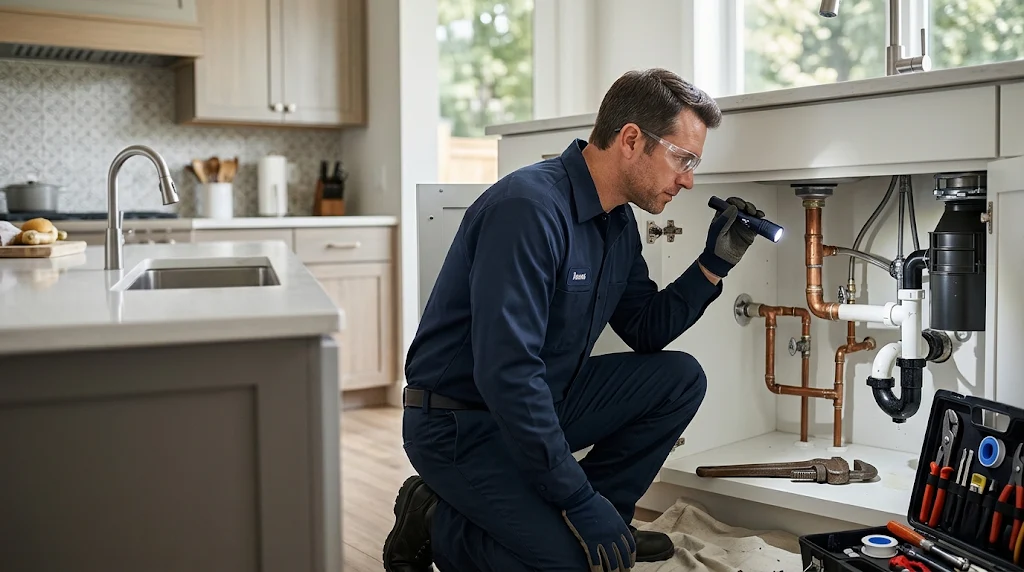
Professional plumbers provide services that help homeowners maintain safe and reliable water systems.
Plumbing Installation
Installation services may include water supply lines, bathroom fixtures, kitchen sinks, toilets, and water heaters.
Proper installation is important because incorrect connections can create leaks and operational problems.
Pipe Repair and Replacement
Damaged or deteriorating pipes may require localized repairs or complete replacement.
The appropriate solution depends on pipe material, age, accessibility, and the extent of damage.
Drain Cleaning
Professional drain cleaning helps remove stubborn blockages and restore proper wastewater flow.
Recurring clogs may require a more detailed inspection to identify underlying pipe problems.
Water Heater Maintenance
Plumbers can inspect water heaters, identify leaks, assess safety components, and perform recommended maintenance.
The U.S. Environmental Protection Agency also recommends checking water-heating equipment and associated plumbing connections as part of routine home maintenance.
Emergency Plumbing Services
Burst pipes, significant leaks, sewage backups, and major water heater failures may require urgent professional attention.
Emergency plumbers can help identify the source of the problem and take appropriate steps to reduce further damage.
Why Hiring a Professional Plumber Matters
Some minor household maintenance tasks can be handled by homeowners, but complex plumbing work requires appropriate knowledge and equipment.
Accurate Problem Diagnosis
A professional plumber can investigate the underlying cause of a plumbing issue rather than simply addressing its visible symptoms.
For example, recurring drain blockages may indicate a deeper pipe obstruction or damaged sewer line.
Safe and Appropriate Repairs
Incorrect plumbing repairs can create leaks, contamination risks, and additional property damage.
Professional plumbers understand relevant installation practices and local code requirements.
Saving Time and Avoiding Repeated Repairs
A properly diagnosed repair can reduce the likelihood of recurring problems.
Although professional services involve an upfront expense, appropriate repairs may help avoid unnecessary replacement costs later.
For additional background on the importance of reliable plumbing systems, read this article about why plumbing is essential.
Practical Plumbing Maintenance Tips for Homeowners
Regular maintenance can help identify problems before they become expensive.
Inspect Pipes and Connections
Periodically check visible pipes beneath sinks, around water heaters, and near washing machines.
Look for moisture, corrosion, loose connections, and unusual water stains.
Check Toilets for Hidden Leaks
A simple dye test can help identify certain toilet leaks.
Place a few drops of food coloring inside the toilet tank and wait approximately 10 minutes without flushing.
If color appears in the bowl, the toilet may have a leaking flapper or another internal issue.
Maintain Drains
Avoid pouring grease, cooking oil, and unsuitable materials into household drains.
Use drain strainers where appropriate to reduce the amount of debris entering pipes.
Monitor Water Pressure
Unusually high or low water pressure can indicate plumbing problems.
The EPA’s WaterSense guidance identifies approximately 45–60 pounds per square inch as a useful residential service-pressure range.
A qualified professional can evaluate pressure problems and recommend adjustments when necessary.
Schedule Periodic Inspections
Professional inspections can identify deterioration, hidden leaks, and maintenance requirements that homeowners may overlook.
The inspection frequency should reflect the property’s age, plumbing materials, and previous maintenance history.
Plumbing and Water Conservation: Making Homes More Efficient
Water conservation is becoming increasingly important for American households.
Efficient plumbing fixtures and responsible water use can help reduce unnecessary consumption.
Install Water-Efficient Fixtures
WaterSense-labeled toilets, faucets, and showerheads meet EPA performance and efficiency criteria.
These products can help households use less water without sacrificing normal functionality.
Repair Leaks Promptly
Even small leaks can waste significant amounts of water over time.
Check faucets, toilets, showerheads, and visible pipe connections regularly.
Consider Smart Leak Detection
Modern leak detection systems can monitor water usage and identify unusual flow patterns.
Some devices also provide alerts or automatically shut off the water supply when certain problems are detected.
These systems can be particularly useful for properties that remain unoccupied for extended periods.
Maintain Water Heating Systems
Insulating appropriate hot-water pipes and maintaining water heaters can help reduce unnecessary energy consumption.
Follow manufacturer recommendations and use qualified professionals for servicing when required.
When Should You Call an Emergency Plumber?
Certain plumbing problems should not wait for a routine appointment.
Contact a qualified emergency plumber when you experience a burst pipe, major uncontrolled leak, sewage backup, or sudden water heater failure involving a potentially dangerous condition.
If water is near electrical equipment, avoid entering the affected area. Shut off the water supply only when it is safe to do so.
Knowing the location of your main water shutoff valve can help you respond more effectively during emergencies.
Frequently Asked Questions About Plumbing
Why is plumbing important in a home?
Plumbing provides clean water for everyday activities and removes wastewater safely. It supports hygiene, comfort, sanitation, and property protection.
How often should residential plumbing be inspected?
Periodic inspections are useful, with additional checks when problems appear or properties have older plumbing systems. The appropriate schedule depends on the home’s condition.
What are the most common household plumbing problems?
Common problems include leaking faucets, damaged pipes, blocked drains, running toilets, low water pressure, and water heater malfunctions.
Can homeowners repair plumbing problems themselves?
Minor tasks, such as replacing certain faucet components, may be suitable for experienced homeowners. Complex repairs, sewer problems, and major pipe installations should be handled by qualified professionals.
How can I reduce my home’s water consumption?
Install efficient fixtures, repair leaks, monitor water usage, and avoid unnecessary water consumption. WaterSense-labeled products can also help improve efficiency.
When should I replace old plumbing pipes?
Replacement may be necessary when pipes show extensive corrosion, repeated leaks, deterioration, or contamination concerns. A professional assessment can help determine the appropriate solution.
Conclusion
Plumbing is an essential part of every modern home, supporting clean water access, effective drainage, sanitation, and everyday convenience.
From minor faucet leaks to major pipe failures, plumbing problems can affect both household comfort and property condition.
Understanding your plumbing system, performing regular maintenance, and recognizing early warning signs can help prevent unnecessary damage and expenses.
Professional plumbers also play an important role by providing reliable installations, accurate diagnoses, and appropriate repairs.
By investing in proper maintenance, efficient fixtures, and timely professional assistance, homeowners can keep their plumbing systems operating effectively while supporting water conservation and long-term property protection.