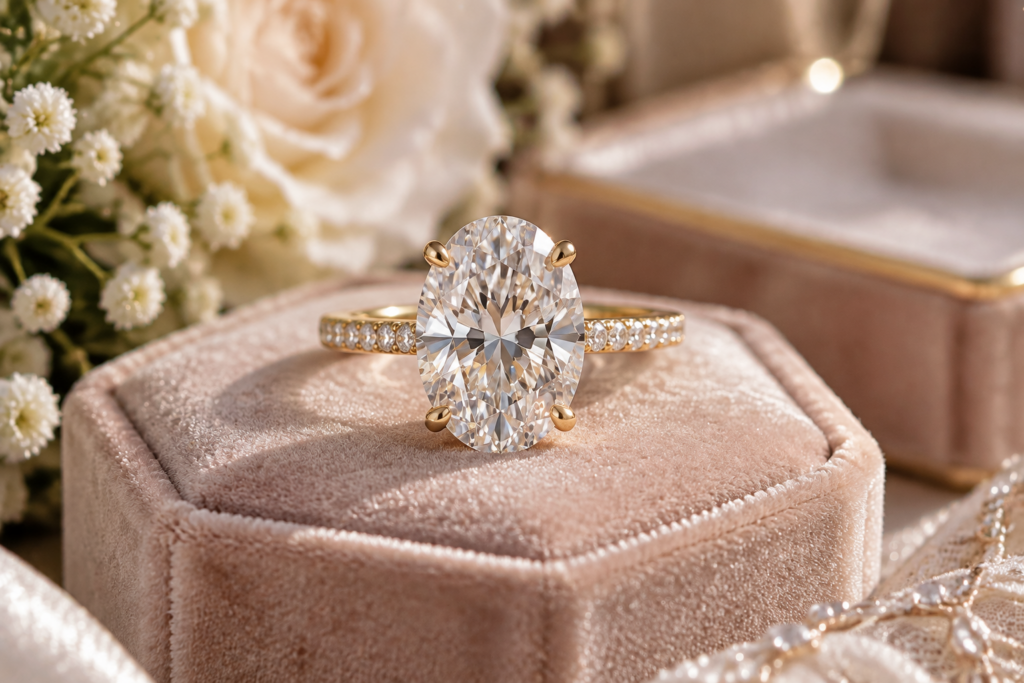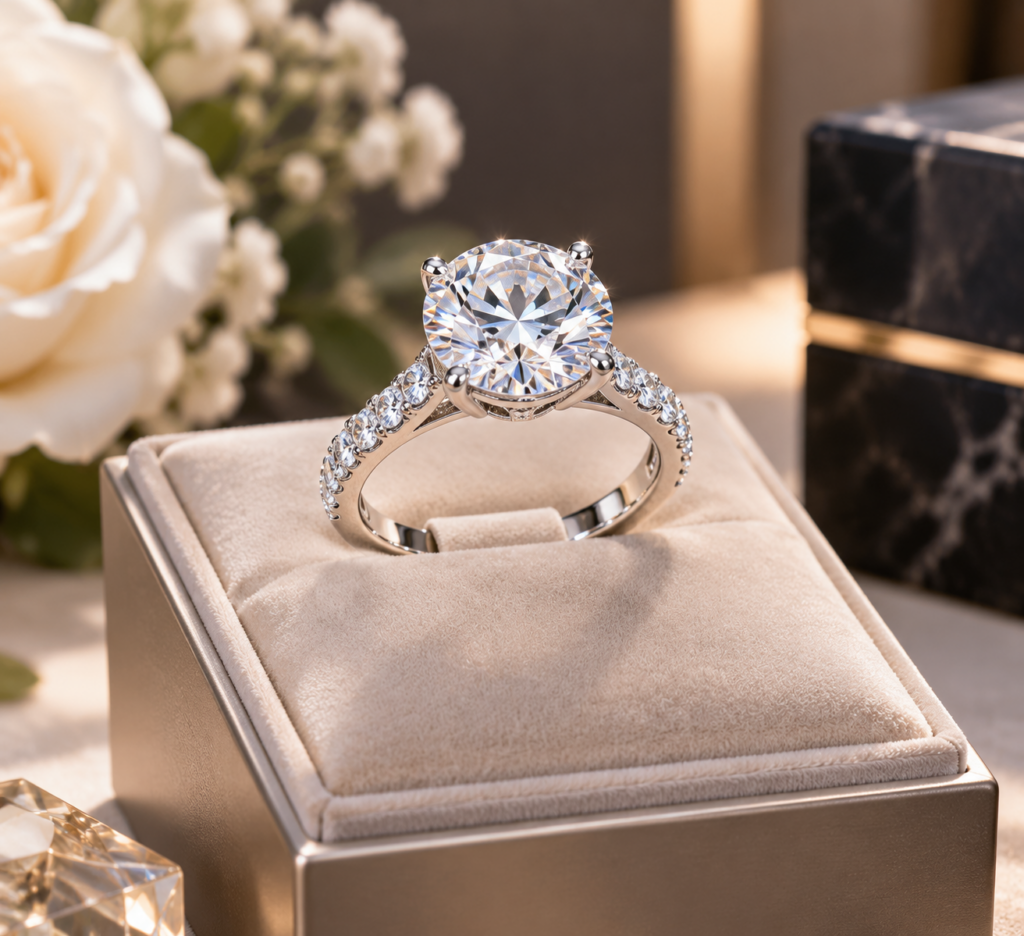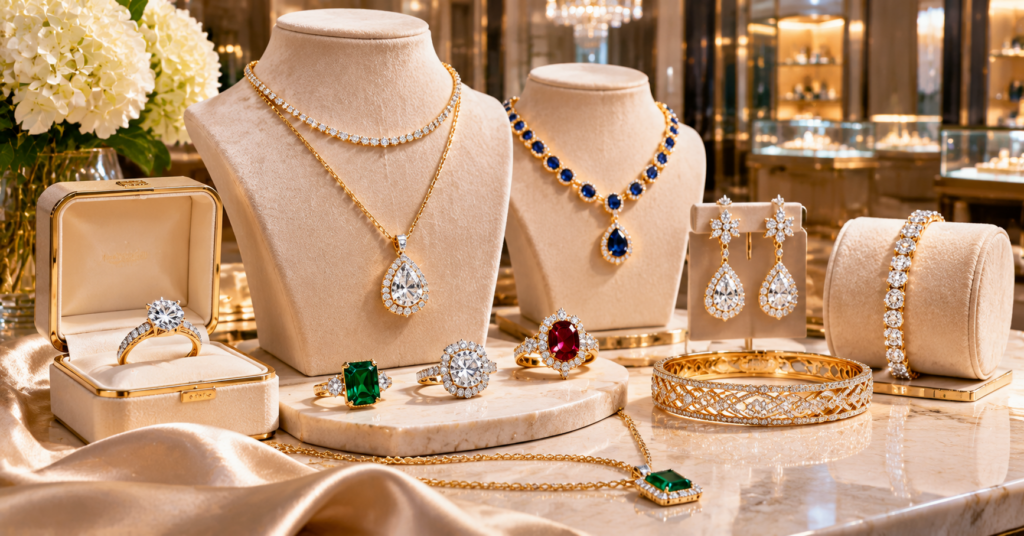
Jewelry has always played an important role in personal expression, fashion, and celebrating meaningful occasions. From elegant diamond necklaces to beautifully crafted gold bracelets, carefully selected accessories can transform an outfit and create lasting memories.
In the United States, consumers increasingly appreciate jewelry that combines exceptional craftsmanship, distinctive designs, and lasting quality.
Luxury jewelry represents more than an attractive accessory. It reflects personal taste, artistic creativity, and attention to detail. Whether you are purchasing a special gift, celebrating an anniversary, or expanding your personal collection, understanding jewelry quality can help you make informed decisions.
This comprehensive guide explores different jewelry styles, precious materials, buying considerations, current trends, and essential maintenance tips.
What Is Luxury Jewelry?
Luxury jewelry refers to high-quality jewelry created using precious metals, carefully selected gemstones, and skilled craftsmanship.
These pieces often feature detailed finishing, sophisticated designs, and materials selected for their beauty and durability.
Unlike inexpensive fashion accessories, luxury jewelry typically emphasizes material quality, manufacturing standards, and long-term wearability.
Popular examples include:
- Diamond engagement rings
- 18K gold necklaces
- Platinum wedding bands
- Sapphire and emerald earrings
- Fine gemstone bracelets
- Custom-designed pendants
- Diamond tennis bracelets
The quality of luxury jewelry depends on several factors, including metal purity, gemstone characteristics, design complexity, and manufacturing techniques.
Why Luxury Jewelry Remains Popular
Fine jewelry continues to attract consumers because it combines emotional significance, personal style, and traditional craftsmanship.
1. Timeless Elegance
Classic jewelry designs can remain fashionable for decades.
Simple gold necklaces, diamond studs, and elegant bracelets complement different clothing styles and occasions.
Their versatility makes them valuable additions to personal collections.
2. Exceptional Craftsmanship
High-quality jewelry often involves skilled designers, experienced goldsmiths, and detailed finishing processes.
Professional craftsmanship ensures that settings, clasps, connections, and decorative details are carefully constructed.
When purchasing luxury jewelry, examine the quality of both visible design elements and less noticeable finishing details.
3. Personal Expression
Jewelry allows individuals to communicate their personalities and fashion preferences.
Some people prefer minimalist gold accessories, while others appreciate colorful gemstones and statement designs.
Selecting pieces that reflect individual taste can make jewelry more meaningful and enjoyable to wear.
4. Meaningful Gifts
Fine jewelry is frequently purchased to celebrate important life events.
Birthdays, anniversaries, graduations, engagements, and weddings provide opportunities to give memorable gifts.
Personalized pieces can make these occasions even more special.
5. Long-Term Wearability
Well-maintained fine jewelry can remain wearable for many years.
Choosing durable materials and timeless designs may provide greater long-term satisfaction than purchasing accessories based exclusively on temporary trends.
Popular Types of Luxury Jewelry
Different jewelry categories offer distinctive appearances and styling possibilities.
1. Diamond Jewelry
Diamonds are among the most recognizable gemstones used in fine jewelry.
They appear in engagement rings, necklaces, bracelets, earrings, and pendants.
When evaluating diamond jewelry, consider the traditional four Cs:
- Cut
- Color
- Clarity
- Carat weight
These characteristics help buyers understand differences in diamond appearance and quality.
2. Gold Jewelry
Gold remains a popular material because of its appearance, versatility, and established place in jewelry craftsmanship.
Common gold purity options include:
| Gold Purity | Gold Content |
|---|---|
| 10K | 41.7% |
| 14K | 58.3% |
| 18K | 75% |
| 22K | 91.7% |
| 24K | 99.9% |
Higher gold purity generally means a greater proportion of pure gold, but lower-purity alloys can provide greater hardness for everyday jewelry.
3. Platinum Jewelry
Platinum is a naturally white precious metal valued for its density and durability.
It is frequently used for engagement rings, wedding bands, and premium jewelry settings.
Its naturally white appearance makes it an appealing choice for people who prefer understated elegance.
4. Gemstone Jewelry
Colored gemstones introduce personality and visual interest into jewelry collections.
Popular options include:
- Sapphire
- Emerald
- Ruby
- Aquamarine
- Amethyst
- Tourmaline
Gemstone selection should consider color, clarity, treatment disclosures, durability, and the quality of the setting.
5. Pearl Jewelry
Pearls offer a classic appearance that complements both formal and everyday clothing.
Pearl necklaces, earrings, and bracelets remain popular choices for people who appreciate traditional elegance.
Natural, cultured, and freshwater pearls differ in their formation, characteristics, and pricing.
How to Choose the Best Luxury Jewelry
Purchasing fine jewelry requires attention to more than appearance.
Understanding materials, craftsmanship, and personal requirements can help you choose pieces that provide lasting satisfaction.
1. Define Your Budget
Establish a realistic spending limit before exploring available collections.
The cost of luxury jewelry varies according to precious metal content, gemstone quality, design complexity, and manufacturing standards.
Avoid assuming that the most expensive piece is automatically the best choice.
2. Choose the Right Metal
Consider your preferred appearance, lifestyle, and maintenance requirements.
Yellow gold provides a warm traditional appearance, while white gold and platinum offer cooler tones.
Rose gold provides a softer appearance that works well with many contemporary designs.
3. Examine Gemstone Quality
When purchasing gemstone jewelry, ask about the stone’s origin, treatments, grading, and certification where applicable.
For diamonds, reputable independent grading documentation can help verify important characteristics.
4. Check Craftsmanship
Inspect clasps, prongs, settings, polishing, and overall construction.
Fine details can reveal a great deal about manufacturing quality.
5. Consider Your Lifestyle
Choose designs that suit your daily activities.
For example, delicate necklaces and simple stud earrings may be convenient for everyday wear, while elaborate statement pieces may be better suited to special occasions.
Luxury Jewelry Trends in the United States
Jewelry preferences continue to evolve as fashion influences, consumer interests, and design innovations change.
Several styles remain popular among American consumers.
Minimalist Gold Designs
Simple chains, delicate bracelets, and understated rings offer versatile styling options.
These designs can be worn individually or combined through tasteful layering.
Personalized Jewelry
Initial pendants, engraved bracelets, and custom birthstone designs provide opportunities for individual expression.
Personalized accessories are particularly popular as meaningful gifts.
Statement Earrings
Sculptural gold earrings, gemstone drops, and oversized designs can become focal points within an outfit.
They work particularly well with simple clothing combinations.
Layered Necklaces
Combining necklaces of different lengths creates dimension and visual interest.
A successful layered arrangement balances chain thickness, pendant size, and metal color.
Vintage-Inspired Designs
Art Deco details, traditional settings, and antique-inspired patterns appeal to consumers who appreciate classic craftsmanship.
How to Style Luxury Jewelry for Different Occasions
The right accessories can complement different outfits without overpowering them.
Everyday Styling
Choose delicate necklaces, simple gold hoops, and comfortable bracelets.
These pieces provide subtle elegance while remaining practical for regular use.
Professional and Business Outfits
Minimalist earrings, refined watches, and simple necklaces can complement professional clothing.
Avoid excessive accessories when a polished and understated appearance is preferred.
Weddings and Formal Events
Diamond earrings, gemstone necklaces, and elegant bracelets can enhance formal outfits.
Coordinate jewelry with clothing details and avoid combining too many competing statement pieces.
Special Celebrations
Personalized pendants, meaningful gemstone rings, and distinctive bracelets can help commemorate important occasions.
How to Care for Luxury Jewelry
Proper maintenance helps preserve the appearance and condition of fine jewelry.
Clean Jewelry Carefully
Use cleaning methods appropriate for the specific metal and gemstone.
Mild soap and lukewarm water may be suitable for certain pieces, but some gemstones require specialized cleaning.
Avoid using harsh chemicals without confirming material compatibility.
Store Pieces Separately
Keep jewelry in individual compartments or soft pouches to reduce scratching and tangling.
Store delicate chains carefully and protect gemstones from accidental impact.
Schedule Professional Inspections
Have valuable jewelry inspected periodically by a qualified jeweler.
Professional inspections can identify loose stones, worn prongs, and damaged clasps before more serious problems develop.
Remove Jewelry During Certain Activities
Remove delicate jewelry before swimming, exercising, cleaning, or performing activities that could expose it to chemicals or physical damage.
Is Luxury Jewelry a Good Investment?
Fine jewelry can hold personal, cultural, and sometimes financial value.
However, purchasing luxury jewelry should not automatically be treated as an investment strategy.
Resale prices depend on factors such as material value, gemstone characteristics, brand reputation, condition, documentation, and market demand.
Retail prices may also include significant design, manufacturing, and distribution costs that are not recovered during resale.
Buy jewelry primarily because you appreciate its quality and design, rather than assuming it will increase in value.
Frequently Asked Questions
What makes luxury jewelry different from regular jewelry?
Luxury jewelry generally emphasizes precious materials, refined craftsmanship, detailed finishing, and carefully selected gemstones.
Is 18K gold good for everyday jewelry?
Yes. 18K gold contains 75% pure gold and is commonly used in fine jewelry. However, its suitability depends on the design, alloy composition, and intended use.
Which gemstones are best for everyday jewelry?
Diamonds and sapphires are popular choices because of their relative hardness. However, protective settings and appropriate care remain important.
How can I verify the authenticity of luxury jewelry?
Purchase from reputable sellers, review metal purity markings, request relevant gemstone documentation, and obtain independent professional verification when necessary.
Is luxury jewelry suitable for gifting?
Yes. Fine jewelry is a popular gift for birthdays, anniversaries, engagements, weddings, and other meaningful celebrations.
How often should luxury jewelry be cleaned?
Cleaning frequency depends on usage, material, and exposure to everyday substances. Regular gentle cleaning and periodic professional inspections can help maintain its appearance.
Conclusion
Luxury jewelry combines exceptional craftsmanship, beautiful materials, and timeless design to create accessories that hold personal and aesthetic significance.
From elegant gold necklaces and diamond earrings to colorful gemstone bracelets and platinum rings, carefully selected pieces can complement different styles and occasions.
When purchasing fine jewelry, prioritize material quality, authentic documentation, reliable craftsmanship, and personal preferences.
Proper cleaning, safe storage, and regular professional inspections can also help preserve your collection for years to come.
Whether you are purchasing your first fine jewelry piece or expanding an existing collection, choosing thoughtfully can make every purchase more meaningful.