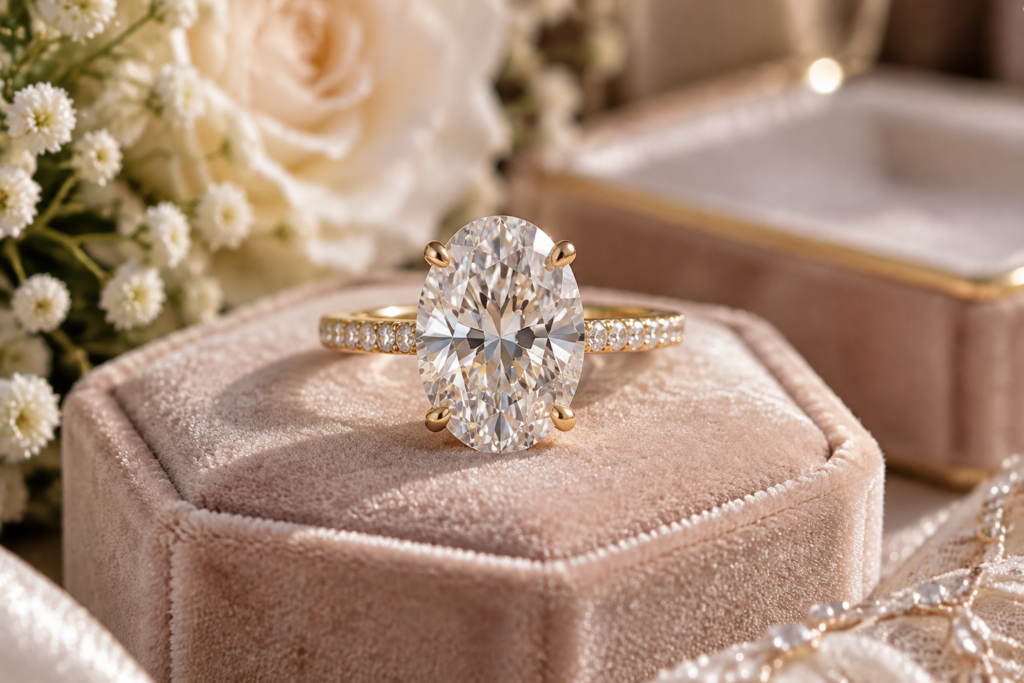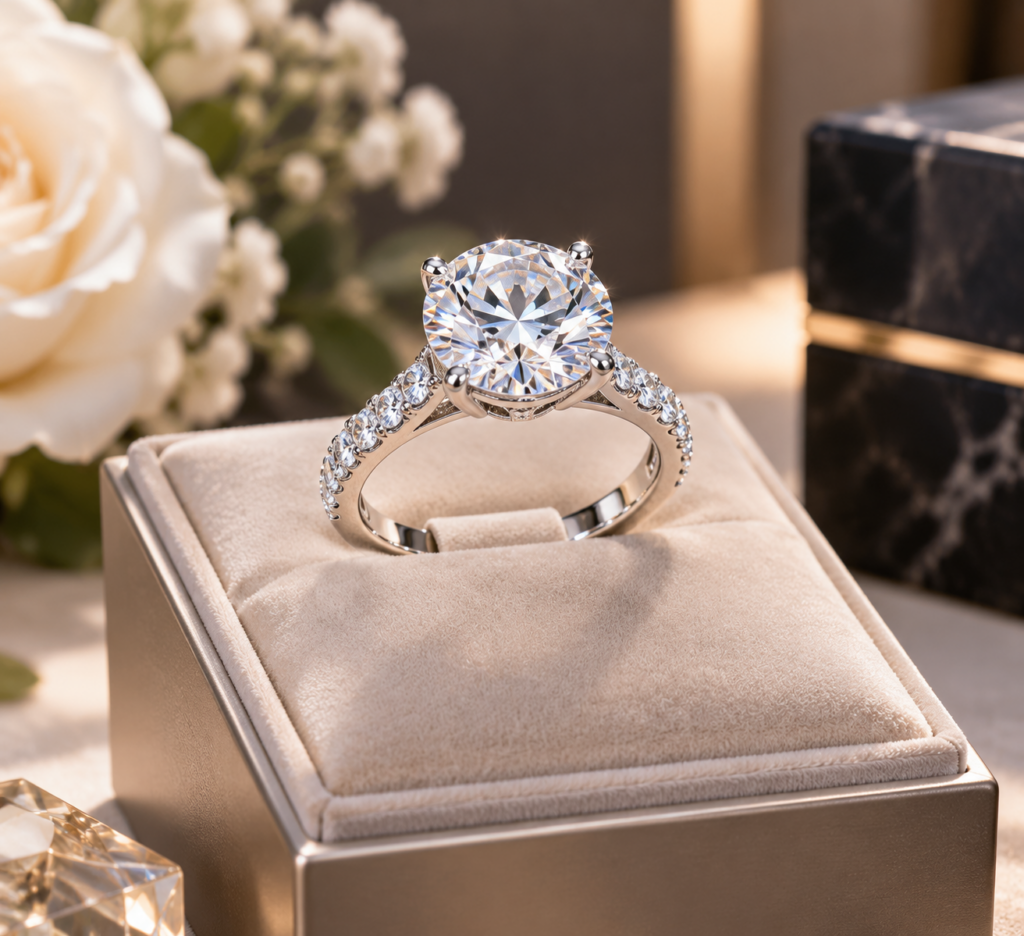
Diamonds have long represented love, commitment, luxury, and timeless beauty. For generations, natural diamonds have been the traditional choice for engagement rings, wedding jewelry, and special occasions. However, advances in technology have introduced a new option that has changed the jewelry industry: lab diamonds.
Lab diamonds offer the same physical, chemical, and optical properties as mined diamonds while being created through advanced laboratory processes. They have become increasingly popular among modern buyers who want a beautiful, high-quality diamond with different considerations around sourcing, pricing, and availability.
For many consumers in the United States, choosing the right diamond involves understanding more than just appearance. Factors such as quality, certification, budget, durability, and personal values all influence the final decision.
This guide explains what lab diamonds are, how they are created, how they compare with natural diamonds, what to look for when buying one, and why they have become an important part of today’s jewelry market.
What Are Lab Diamonds?
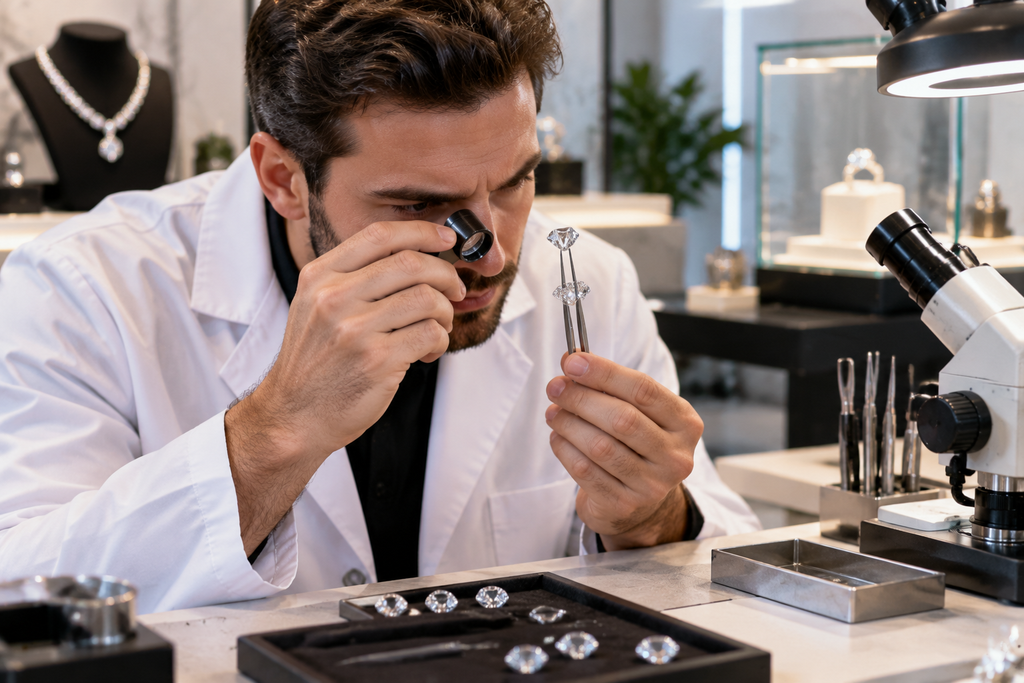
Lab diamonds are real diamonds created in a controlled laboratory environment using advanced technology that replicates the natural diamond formation process.
Unlike diamond simulants such as cubic zirconia or moissanite, lab diamonds are not imitations. They contain the same carbon crystal structure as natural diamonds, giving them the same:
- Hardness
- Brilliance
- Fire
- Chemical composition
- Optical characteristics
The primary difference between lab diamonds and mined diamonds is their origin.
Natural diamonds form deep within the Earth over millions or billions of years, while lab diamonds are created in specialized facilities using modern scientific techniques.
How Are Lab Diamonds Made?
Chemical Vapor Deposition (CVD)
The CVD method creates diamonds by placing a diamond seed inside a controlled chamber.
During the process:
- Carbon-rich gases are introduced into the chamber.
- Energy breaks the gas molecules apart.
- Carbon atoms attach to the diamond seed.
- The diamond crystal grows layer by layer.
CVD technology allows manufacturers to create high-quality diamonds with precise control over growth conditions.
High Pressure High Temperature (HPHT)
HPHT technology recreates the conditions found deep inside the Earth.
The process uses:
- Extremely high pressure
- High temperatures
- Carbon materials
- Diamond seeds
Under these conditions, carbon atoms form a diamond crystal structure.
Both CVD and HPHT methods produce genuine diamonds suitable for fine jewelry.
Are Lab Diamonds Real Diamonds?
Yes. Lab diamonds are real diamonds.
A common misunderstanding is that laboratory-created diamonds are artificial gemstones. However, lab diamonds are chemically and physically identical to mined diamonds.
Professional gemological laboratories evaluate lab diamonds using the same grading standards applied to natural diamonds.
They are assessed based on the famous 4Cs:
- Cut
- Color
- Clarity
- Carat weight
The main distinction is the diamond’s origin rather than its quality or appearance.
Lab Diamonds vs Natural Diamonds
Origin Difference
The biggest difference between lab diamonds and natural diamonds is how they are created.
Natural diamonds:
- Form naturally underground
- Require geological conditions
- Take extremely long periods to develop
Lab diamonds:
- Are created using technology
- Grow in controlled environments
- Can be produced within weeks
Appearance
To the human eye, high-quality lab diamonds and natural diamonds can look identical.
Both can display:
- Bright sparkle
- Excellent clarity
- Beautiful color grades
- Premium finishes
Specialized equipment may be required to identify their origin.
Price Differences
One of the major reasons consumers consider lab diamonds is pricing.
Lab diamonds are often available at lower prices compared with similar-quality mined diamonds.
The price difference allows buyers to choose:
- Larger stones
- Higher clarity grades
- Better cuts
- More customized designs
Budget flexibility is one reason lab diamonds have gained popularity among engagement ring shoppers.
Benefits of Choosing Lab Diamonds
More Affordable Luxury
Lab diamonds allow consumers to purchase a high-quality diamond while staying within their budget.
A buyer may be able to select a larger or higher-quality stone compared with a similar budget spent on a mined diamond.
Same Diamond Beauty
Because lab diamonds share the same properties as natural diamonds, they provide the same visual appeal.
They offer:
- Brilliant sparkle
- Elegant appearance
- Long-lasting durability
Modern Jewelry Choice
Many buyers today look for options that match their lifestyle and preferences.
Lab diamonds provide an alternative for customers who want modern innovation combined with traditional diamond beauty.
Customization Opportunities
Because lab diamonds are available in various sizes, shapes, and qualities, buyers have many customization possibilities.
Popular styles include:
- Solitaire rings
- Halo designs
- Three-stone rings
- Tennis bracelets
- Diamond earrings
Understanding the 4Cs of Lab Diamonds
Cut
Cut is one of the most important factors affecting diamond beauty.
A well-cut diamond reflects light effectively and creates strong brilliance.
Popular cuts include:
- Round brilliant
- Oval
- Cushion
- Emerald
- Princess
- Pear
The quality of the cut often has a major impact on the diamond’s sparkle.
Color
Diamond color is graded from colorless to noticeable shades.
Higher-quality diamonds generally have less visible color.
Common grades include:
- D-F: Colorless
- G-J: Near colorless
- Lower grades: More noticeable warmth
The best choice depends on personal preference and budget.
Clarity
Clarity measures internal and external characteristics called inclusions and blemishes.
Higher clarity diamonds typically have fewer visible imperfections.
Common clarity grades include:
- Flawless
- Internally flawless
- Very slightly included
- Slightly included
Many buyers choose diamonds that appear clean to the eye rather than focusing only on the highest grade.
Carat Weight
Carat refers to the diamond’s weight.
A higher carat diamond generally appears larger, but size is only one part of overall beauty.
A well-cut smaller diamond can appear more brilliant than a poorly cut larger stone.
Popular Lab Diamond Jewelry Options
Lab Diamond Engagement Rings
Engagement rings remain one of the most popular uses for lab diamonds.
Buyers often choose lab diamonds because they can achieve:
- Larger center stones
- Premium cuts
- Custom designs
Popular settings include:
- Solitaire
- Halo
- Hidden halo
- Vintage-inspired
- Modern minimalist
Lab Diamond Wedding Bands
Wedding bands featuring lab diamonds provide a stylish and durable option for everyday wear.
They are available in:
- Classic designs
- Eternity bands
- Pavé settings
- Custom styles
Lab Diamond Earrings
Diamond earrings are a timeless jewelry choice.
Popular options include:
- Stud earrings
- Hoop earrings
- Drop earrings
Lab diamonds allow buyers to enjoy luxury styles at more accessible prices.
Lab Diamond Necklaces
Diamond necklaces can add elegance to both everyday and formal outfits.
Popular designs include:
- Pendants
- Tennis necklaces
- Solitaire necklaces
How to Buy Lab Diamonds
Choose a Certified Diamond
Certification provides important information about diamond quality.
A grading report typically includes:
- Diamond measurements
- Cut grade
- Color grade
- Clarity grade
- Carat weight
Buyers should review certification details before making a purchase.
Compare Diamond Specifications
Do not focus only on carat size.
Compare:
- Cut quality
- Color
- Clarity
- Shape
- Certification
A balanced combination creates better overall value.
Consider Your Jewelry Setting
The setting affects the final appearance of the diamond.
For example:
- White gold can enhance a colorless appearance
- Yellow gold creates a warmer contrast
- Platinum provides durability and luxury appeal
Set a Realistic Budget
Before shopping, determine:
- Desired style
- Preferred size
- Quality priorities
A clear budget makes the buying process easier.
Caring for Lab Diamonds
Lab diamonds are highly durable and suitable for everyday jewelry use.
To maintain their brilliance:
Clean Regularly
Use:
- Mild soap
- Warm water
- Soft brushes
Avoid harsh chemicals that may damage jewelry settings.
Store Properly
Keep diamond jewelry separated to prevent scratches on other pieces.
Jewelry boxes with individual compartments are recommended.
Schedule Professional Inspections
Regular jewelry inspections can help ensure:
- Secure settings
- Proper maintenance
- Long-term durability
Common Misconceptions About Lab Diamonds
Lab Diamonds Are Fake
This is incorrect. Lab diamonds are genuine diamonds with the same chemical composition as mined diamonds.
Lab Diamonds Are Lower Quality
Quality depends on the 4Cs, not whether the diamond was created in a laboratory or mined.
A high-quality lab diamond can have excellent brilliance and clarity.
Lab Diamonds Do Not Last
Lab diamonds have the same hardness rating as natural diamonds, making them suitable for everyday jewelry.
Why Lab Diamonds Are Becoming Popular in the USA
Consumer preferences are changing as buyers look for more choices in luxury products.
Factors contributing to the popularity of lab diamonds include:
- Competitive pricing
- Modern technology
- Customization options
- Increased availability
- Interest in alternative sourcing
Younger generations especially appreciate having more flexibility when purchasing engagement rings and fine jewelry.
Frequently Asked Questions (FAQ)
Are lab diamonds real diamonds?
Yes. Lab diamonds are real diamonds with the same chemical, physical, and optical properties as mined diamonds.
Are lab diamonds cheaper than natural diamonds?
Lab diamonds are often priced lower than comparable mined diamonds, allowing buyers to access larger or higher-quality stones within their budget.
Can a jeweler tell the difference between lab diamonds and natural diamonds?
Professional gemologists can identify diamond origin using specialized equipment, but lab diamonds look identical to natural diamonds visually.
Do lab diamonds have the same durability as natural diamonds?
Yes. Lab diamonds have the same hardness and durability characteristics as natural diamonds.
Are lab diamonds good for engagement rings?
Yes. Lab diamonds are widely used for engagement rings because they offer beauty, durability, and various design options.
Do lab diamonds have certification?
Many lab diamonds come with grading reports from recognized gemological organizations that evaluate their quality.
Can lab diamonds increase in value?
Like all diamonds, resale value depends on market conditions, demand, quality, and other factors.
Conclusion
Lab diamonds have transformed the modern jewelry industry by offering consumers another way to enjoy the beauty and brilliance of real diamonds. With the same physical and chemical properties as mined diamonds, they provide a high-quality option for engagement rings, wedding jewelry, and luxury accessories.
Understanding factors such as the 4Cs, certification, pricing, and diamond quality helps buyers make confident decisions. Whether you are searching for a timeless engagement ring or a custom piece of jewelry, lab diamonds provide flexibility, elegance, and modern innovation.
As technology continues to evolve and consumer preferences change, lab diamonds are becoming an increasingly popular choice for those who want exceptional beauty combined with a contemporary approach to diamond buying.