Fashion is changing as consumers become more interested in comfortable clothing, responsible manufacturing, and environmentally conscious purchasing decisions. People are no longer looking only for attractive designs. They also want fabrics that feel good, fit their lifestyles, and align with their personal values.
This growing interest has increased attention toward bamboo clothes, which are commonly marketed as soft, lightweight, and comfortable alternatives to conventional clothing materials.
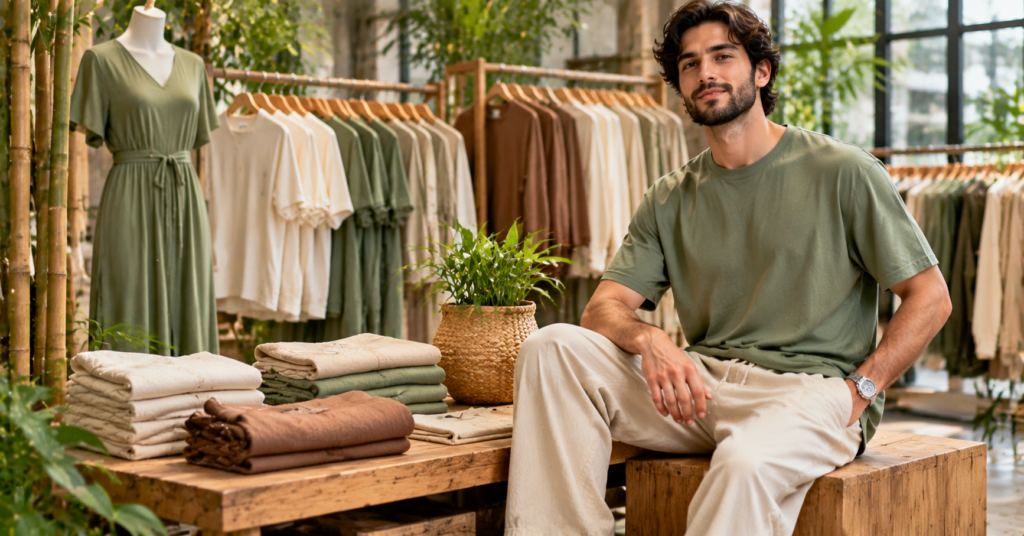
From everyday T-shirts and underwear to pajamas and activewear, bamboo-based textiles are available in many clothing categories.
However, understanding how bamboo fabric is manufactured, what benefits it offers, and how to evaluate its environmental impact is important before purchasing.
This comprehensive guide explores bamboo clothing, its different types, advantages, limitations, styling options, and care recommendations for American consumers.
What Are Bamboo Clothes?
Bamboo clothes are garments made using textile fibers derived from bamboo plants.
Unlike conventional cotton production, which depends on cotton plants, bamboo-based textiles begin with a rapidly growing grass.
The bamboo is processed into textile material through different manufacturing methods.
Most bamboo clothing sold in the United States uses bamboo viscose or rayon. Other textile options include bamboo lyocell and mechanically processed bamboo fibers.
These manufacturing methods are different, and the final fabric characteristics depend on the production process.
Common bamboo clothing products include:
- T-shirts and casual tops
- Underwear and socks
- Pajamas and sleepwear
- Dresses and skirts
- Leggings and activewear
- Baby clothing
- Lounge sets
- Lightweight sweaters
Their popularity comes from their soft texture, comfortable feel, and versatility.
Why Are Bamboo Clothes Becoming Popular?
Consumers increasingly consider comfort, fabric performance, and environmental responsibility when choosing clothing.
Bamboo clothes have attracted attention because they offer several appealing characteristics.
1. Soft and Smooth Texture
One of the most frequently mentioned advantages of bamboo-derived textiles is their smooth feel.
Bamboo viscose fabrics are often manufactured with a soft, flowing texture that feels comfortable against the skin.
This makes them popular for underwear, sleepwear, and everyday clothing.
2. Lightweight and Breathable Feel
Many bamboo-based fabrics have lightweight constructions that allow comfortable movement.
Their breathability depends on fabric structure, thickness, and manufacturing techniques.
Lightweight bamboo garments can be particularly appealing during warmer months.
3. Comfortable for Everyday Wear
Comfort is an important consideration when selecting everyday clothing.
Bamboo clothes are available in relaxed silhouettes and flexible fabric blends that work well for daily activities.
They can be suitable for home, travel, casual outings, and sleepwear.
4. Moisture Management
Some bamboo-derived fabrics absorb moisture effectively.
This characteristic can help manage perspiration during normal everyday activities.
However, moisture absorption and moisture-wicking performance are not identical. Actual performance depends on the fabric construction and any additional treatments.
5. Versatile Clothing Options
Bamboo-based textiles are used across multiple clothing categories.
Consumers can find casual shirts, underwear, pajamas, dresses, and various other garments.
This variety makes bamboo clothing accessible to different age groups and fashion preferences.
Different Types of Bamboo Clothes
Bamboo-derived fabrics are available in several forms, each offering different characteristics.
1. Bamboo T-Shirts
Bamboo T-shirts are popular for their soft texture and comfortable everyday appearance.
They can be paired with jeans, shorts, joggers, or casual trousers.
Many designs feature simple cuts and neutral colors.
2. Bamboo Underwear
Underwear made from bamboo-derived fabric is often marketed for its smooth feel and comfortable construction.
Look for suitable elastic components, durable stitching, and clear fabric composition information.
3. Bamboo Pajamas
Bamboo sleepwear includes pajama sets, nightshirts, and lightweight lounge garments.
Soft fabrics and relaxed designs make these products attractive for people who prioritize nighttime comfort.
4. Bamboo Activewear
Some manufacturers use bamboo-based fabrics in leggings, sports tops, and lightweight exercise clothing.
Before purchasing activewear, review its stretch recovery, durability, moisture management, and suitability for your intended activity.
5. Bamboo Baby Clothing
Baby clothing collections may include bodysuits, blankets, pajamas, and soft everyday garments.
Parents should examine product construction, washing instructions, and applicable safety standards when selecting children’s clothing.
Understanding Bamboo Fabric Manufacturing
Not all bamboo textiles are produced in the same way.
Understanding the manufacturing process helps consumers make better purchasing decisions.
Bamboo Viscose or Rayon
This is one of the most common forms of bamboo-derived fabric.
The bamboo cellulose is chemically processed into a solution and then regenerated into textile fibers.
The resulting material can be soft and smooth.
However, the chemical processing involved means that bamboo viscose should not automatically be considered environmentally harmless.
Bamboo Lyocell
Bamboo lyocell is produced using a solvent-based manufacturing process designed to recover and reuse much of the processing solvent.
Its environmental performance depends on the production facility, energy sources, chemicals, and waste management practices.
Mechanically Processed Bamboo
Mechanical processing separates fibers from bamboo using physical and enzymatic techniques.
This approach is less common in mainstream clothing because it can be more expensive and technically challenging.
It may produce a different texture from conventional bamboo viscose.
How to Choose High-Quality Bamboo Clothes
Selecting the right garments requires attention to fabric composition, construction, comfort, and durability.
1. Check the Fabric Composition
Always review the product label.
A garment marketed as bamboo may contain bamboo viscose blended with cotton, elastane, polyester, or other fibers.
Understanding the composition helps you compare products accurately.
2. Examine Fabric Weight
Lightweight fabrics can be comfortable in warm conditions, while heavier constructions may provide more coverage.
Choose a fabric weight appropriate for the garment’s intended purpose.
3. Check Stitching and Construction
Inspect seams, hems, elastic components, and overall finishing.
Well-constructed clothing is generally better suited to regular wear and washing.
4. Consider Your Skin Preferences
People who prefer smooth fabrics may appreciate bamboo-derived textiles.
However, individual skin sensitivity varies, and no fabric should automatically be considered hypoallergenic.
5. Look for Transparent Manufacturing Information
Responsible brands should explain their material sourcing, manufacturing methods, and relevant certifications.
This information helps consumers make more informed purchasing decisions.
Bamboo Clothes vs. Cotton Clothing
Both fabrics are widely used in everyday apparel, but their characteristics differ.
| Feature | Bamboo-Derived Fabric | Cotton |
|---|---|---|
| Texture | Often smooth and soft | Varies by cotton type |
| Breathability | Depends on construction | Generally breathable |
| Moisture absorption | Often good | Generally good |
| Durability | Depends on fiber and construction | Depends on fiber and construction |
| Care | Often requires gentle washing | Varies by garment |
| Environmental impact | Depends heavily on processing | Depends on farming and manufacturing |
Neither material is automatically superior in every situation.
The best choice depends on fabric quality, manufacturing practices, garment construction, and personal preferences.
How to Style Bamboo Clothes for Different Occasions
Comfortable fabrics can also create attractive everyday outfits.
1. Casual Everyday Outfits
Pair a bamboo T-shirt with jeans and sneakers.
Neutral colors such as white, beige, gray, and black create versatile combinations.
2. Comfortable Travel Clothing
Choose relaxed bamboo tops, comfortable joggers, and lightweight layers.
These combinations are useful for long journeys and casual travel.
3. Summer Fashion
Lightweight tops and relaxed dresses can work well for warmer weather.
Choose breathable designs and suitable fabric weights.
4. Home and Lounge Wear
Bamboo pajamas and lounge sets offer comfortable options for relaxing at home.
Choose relaxed fits that allow easy movement.
5. Minimalist Fashion
Combine simple bamboo garments with classic accessories and neutral footwear.
This creates a clean appearance without requiring complicated styling.
Are Bamboo Clothes Environmentally Friendly?
Bamboo is a rapidly growing plant, and its cultivation can have certain advantages compared with some conventional fiber crops.
However, the environmental impact of bamboo clothing depends on more than the plant itself.
Important considerations include:
- Land management practices
- Water consumption
- Chemical processing
- Energy requirements
- Wastewater treatment
- Transportation
- Garment durability
Bamboo viscose production can involve substantial chemical processing.
Therefore, consumers should avoid assuming that every garment labeled bamboo is automatically sustainable.
Look for credible environmental certifications and transparent manufacturing information.
How to Care for Bamboo Clothes
Proper garment care can help preserve softness, shape, and appearance.
Wash With Care
Follow the manufacturer’s washing instructions.
Many bamboo-derived garments benefit from gentle machine washing with cool or lukewarm water.
Use Mild Detergent
Choose a suitable detergent and avoid excessive use of harsh cleaning products.
Avoid High Temperatures
Excessive heat can cause shrinkage or damage delicate fabric structures.
Use recommended drying temperatures.
Air Dry When Appropriate
Air drying can help reduce unnecessary heat exposure and may extend garment life.
Store Properly
Keep garments clean and completely dry before storage.
Fold delicate clothing neatly and avoid overcrowding drawers.
Common Mistakes to Avoid When Buying Bamboo Clothes
Consumers sometimes focus entirely on marketing descriptions without examining actual product details.
Avoid these common mistakes:
- Assuming all bamboo fabrics are manufactured identically.
- Believing that every bamboo product is automatically sustainable.
- Ignoring the fabric composition label.
- Purchasing unsuitable fabric weights for the intended use.
- Overlooking washing and maintenance requirements.
- Choosing clothing without checking sizing measurements.
- Assuming bamboo garments are always more durable than cotton.
Comparing product details helps ensure that your purchase meets your expectations.
Frequently Asked Questions
Are bamboo clothes comfortable?
Yes. Many bamboo-derived fabrics have a smooth, soft texture that makes them comfortable for everyday clothing, underwear, and sleepwear.
Are bamboo clothes suitable for summer?
Lightweight bamboo-based fabrics can be suitable for warm weather. However, comfort depends on fabric thickness, weave, and garment construction.
Are bamboo clothes better than cotton?
Neither material is universally better. Bamboo-derived fabrics may feel smoother, while cotton offers different textures and performance characteristics. Compare individual garments rather than relying only on fiber names.
Do bamboo clothes shrink?
Some bamboo-derived garments can shrink when exposed to excessive heat or unsuitable washing conditions. Always follow the manufacturer’s care instructions.
Are bamboo clothes sustainable?
Their environmental impact depends on bamboo cultivation, textile processing, chemical management, manufacturing energy, and garment durability.
Are bamboo clothes good for sensitive skin?
Some people find bamboo-derived fabrics comfortable because of their smooth texture. However, sensitivity varies, and these products are not automatically hypoallergenic.
Conclusion
Bamboo clothes have become an interesting option in modern fashion because of their soft texture, versatile designs, and comfortable everyday appeal.
From T-shirts and underwear to pajamas and casual clothing, bamboo-derived textiles provide a range of options for consumers interested in alternative fabric choices.
However, understanding manufacturing methods, material composition, and environmental considerations is essential before purchasing.
Choose products with transparent labeling, reliable construction, and care instructions that match your lifestyle.
Whether you are updating your everyday wardrobe or exploring sustainable fashion alternatives, carefully selected bamboo clothing can offer a comfortable addition to your collection.