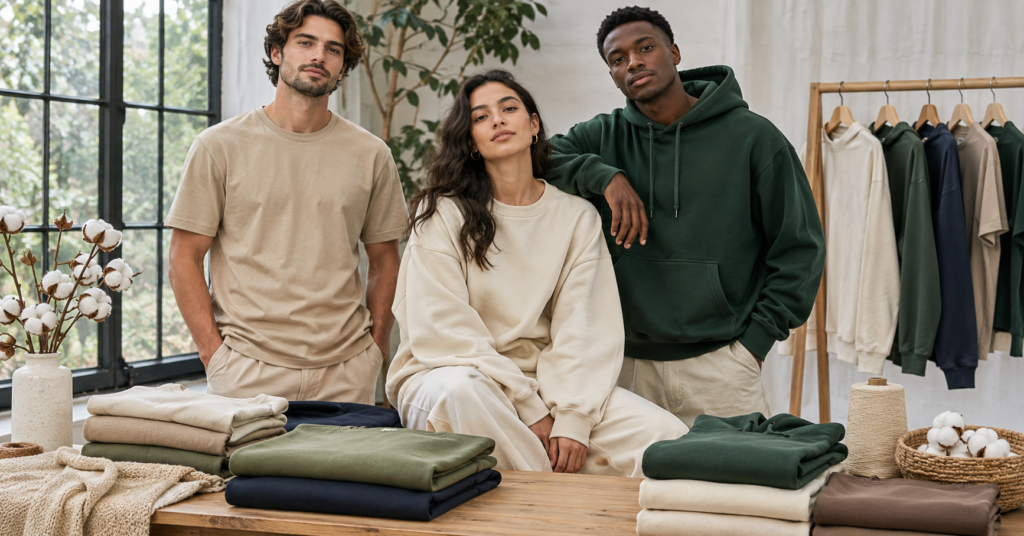
The fashion industry is changing as consumers become more interested in clothing quality, responsible manufacturing, and environmentally conscious materials. Instead of purchasing large quantities of disposable fashion, many shoppers and businesses are exploring garments that combine timeless design, durability, and more responsible production practices.
One brand attracting attention in the premium apparel industry is Stanley/Stella. Known for its organic and recycled materials, contemporary clothing designs, and decoration-ready garments, the brand has developed a strong presence among apparel decorators, fashion businesses, and promotional clothing suppliers.
Stanley & Stella’s clothing collections offer a range of options, including T-shirts, sweatshirts, hoodies, and other everyday essentials. These garments are designed to provide a foundation for both personal wardrobes and customized clothing projects.
Whether you are a fashion enthusiast, business owner, clothing retailer, or custom apparel designer, understanding the brand’s products and approach can help you make informed purchasing decisions.
This guide explores Stanley & Stella’s clothing, materials, product categories, sustainability approach, customization possibilities, and tips for choosing suitable apparel.
What Is Stanley/Stella?
Stanley/Stella is a clothing brand specializing in premium blank apparel designed for decoration and everyday wear.
Founded in 2012, the company focuses on combining contemporary fashion, garment quality, and responsible material sourcing.
Its collections include different styles and fits for adults, with products such as:
- T-shirts
- Polo shirts
- Sweatshirts
- Hoodies
- Joggers
- Jackets
- Accessories
The brand primarily serves a business-to-business market through an official dealer network. Its products are particularly relevant to screen printers, embroidery businesses, promotional merchandise companies, and fashion labels.
One distinctive aspect of Stanley & Stella’s apparel is its focus on providing garments that work well with printing and embroidery.
According to the company’s official US website, its garments are developed with decoration performance and material quality in mind. Stanley/Stella+1
Official website: Stanley/Stella US website.
Why Is Stanley/Stella Popular in the Sustainable Fashion Industry?
The growing interest in responsible fashion has encouraged clothing companies to reconsider their materials, manufacturing processes, and supply chains.
Stanley & Stella’s approach focuses on several important areas.
1. Organic and Recycled Materials
The company states that its products use certified organic or recycled materials, with different fabric combinations depending on the garment.
Organic cotton is an important part of its clothing range, while selected products incorporate recycled fibers.
2. Contemporary Clothing Designs
Sustainable clothing does not need to look basic or outdated.
The brand offers modern silhouettes, different fits, and a broad selection of colors designed to appeal to different fashion preferences.
3. Decoration-Friendly Garments
Its clothing is developed to provide suitable surfaces for printing and embroidery.
This makes the products relevant to businesses producing custom uniforms, promotional apparel, branded merchandise, and personalized clothing.
4. Supply Chain Responsibility
The company highlights traceability, supplier relationships, worker well-being, and independently recognized certifications as important parts of its sustainability strategy.
5. Long-Term Product Development
The company emphasizes product quality and ongoing improvements rather than relying exclusively on short-lived fashion trends.
These characteristics help explain why Stanley & Stella’s products attract interest from clothing businesses and sustainability-conscious buyers. Stanley/Stella+1
Popular Stanley/Stella Clothing Collections
The brand offers different apparel categories for everyday fashion, business branding, and customized clothing projects.
The Sustainable Blank Polo ; Created To Be Customized
14
1. Organic Cotton T-Shirts
T-shirts are among the most versatile pieces in any wardrobe.
Stanley & Stella’s T-shirts are designed with attention to fabric quality, fit, and decoration performance.
They are suitable for:
- Everyday casual outfits
- Custom printed clothing
- Business merchandise
- Promotional campaigns
- Fashion brand collections
Different styles offer different necklines, fits, sleeve lengths, and fabric weights.
2. Premium Sweatshirts
Sweatshirts are popular for casual outfits, corporate merchandise, and customized fashion collections.
Stanley & Stella’s sweatshirt range includes different silhouettes and fabric combinations.
Depending on the design, buyers can explore crewneck styles, relaxed fits, and contemporary oversized options.
3. Hoodies
Stanley/Stella STSU177 Cruiser 2.0
Hoodies combine comfort with everyday streetwear styling.
They are useful for clothing retailers, sports organizations, promotional businesses, and fashion startups.
Stanley & Stella’s hoodies offer different styling possibilities, including custom embroidery, printed graphics, and branded designs.
4. Polo Shirts
Polo shirts provide a balance between casual and professional clothing.
They can be suitable for:
- Company uniforms
- Hospitality businesses
- Retail employees
- Corporate events
- Promotional merchandise
Their versatile appearance makes them useful for businesses looking for coordinated clothing.
5. Joggers and Bottoms
Comfortable bottoms are another important part of modern casual clothing.
Joggers can be paired with sweatshirts and hoodies to create coordinated outfits.
When selecting Stanley & Stella’s bottoms, consider fabric weight, fit, sizing, and the intended use.
6. Women’s Apparel
The collection also includes styles designed specifically for women.
These garments offer different silhouettes and fits, making it easier to create coordinated clothing collections for diverse audiences.
You can explore the available designs through the official Stanley/Stella product collection. Sustainable Fashion by Stanley/Stella
Understanding Stanley/Stella’s Sustainable Materials
Material selection is one of the most important aspects of responsible clothing production.
Different fibers have different characteristics, environmental considerations, and care requirements.
1. Organic Cotton
Organic cotton is grown according to recognized organic agricultural standards.
Compared with conventional cotton production, certified organic farming restricts certain synthetic pesticides and fertilizers and avoids genetically modified seeds under the applicable certification requirements.
Stanley & Stella’s organic cotton sourcing is supported by GOTS certification.
2. Recycled Cotton
Recycled cotton is made by recovering cotton fibers from textile waste and processing them for reuse.
This approach can help reduce the need for virgin raw materials.
However, recycled fibers may have different characteristics depending on their source and processing method.
3. Recycled Polyester
Some garments combine organic cotton with recycled polyester.
Recycled polyester is commonly produced using recovered plastic or textile materials.
It can provide useful fabric properties, including durability and shape retention, depending on the blend.
4. Responsible Material Certifications
Stanley & Stella identifies several certifications and standards associated with its materials and production practices.
| Certification | What It Relates To |
|---|---|
| GOTS | Organic textile processing and supply chain standards |
| GRS | Recycled material content and traceability |
| OEKO-TEX | Testing for specified harmful substances in textiles |
These certifications provide additional information about materials and production requirements. They should not be interpreted as a guarantee that every environmental impact has been eliminated.
For further details, visit the company’s certifications and memberships page. Stanley/Stella+1
How to Choose the Right Stanley/Stella Clothing
Selecting suitable apparel requires more than choosing a color or design.
Whether you are purchasing individual garments or sourcing products for a business, consider the following factors.
1. Understand Fabric Weight
Fabric weight is commonly measured in grams per square meter (GSM).
- Lightweight fabrics are useful for warmer weather.
- Midweight fabrics offer versatility for everyday use.
- Heavyweight fabrics can provide a more substantial feel.
Consider the climate, garment purpose, and customer preferences before selecting a product.
2. Select the Right Fit
The collection includes different fits, including fitted, medium, relaxed, and oversized options.
Review the sizing guide and product measurements instead of assuming that every style fits the same way.
3. Choose Suitable Colors
Color selection is important for both individual wardrobes and business branding.
Neutral colors such as black, white, beige, and gray are versatile, while brighter colors can help create distinctive fashion collections.
4. Consider the Intended Use
A lightweight T-shirt may be appropriate for summer merchandise, while a heavier sweatshirt may be better for winter collections.
Think about whether the garment will be used for casual wear, uniforms, promotional merchandise, or retail sales.
5. Check Product Availability
Colors, sizes, and product models may vary by dealer and collection.
Confirm stock availability and delivery timelines before placing large orders.
Why Businesses Choose Decoration-Ready Apparel
One reason Stanley & Stella’s garments attract business customers is their suitability for customization.
Blank apparel provides a foundation for creating personalized products without developing an entire garment from scratch.
1. Screen Printing
Screen printing is commonly used for large designs and bulk apparel orders.
It can be suitable for company logos, event merchandise, and fashion graphics.
2. Direct-to-Garment Printing
DTG printing allows businesses to apply detailed designs directly to suitable fabrics.
It can be useful for smaller production runs and colorful artwork.
3. Embroidery
Embroidery creates a textured finish using stitched thread.
It is often selected for polo shirts, sweatshirts, uniforms, and premium branded clothing.
4. Direct-to-Film Printing
DTF printing transfers printed designs onto compatible garments using a heat-press process.
It offers flexibility for different types of custom apparel.
Before decorating Stanley & Stella’s products, confirm the garment’s compatibility with your printing method, pretreatment requirements, and recommended application settings.
Stanley/Stella’s Role in the USA Custom Apparel Market
The United States has a large market for customized clothing, promotional merchandise, and independent fashion brands.
Businesses increasingly look for blank garments that combine attractive designs with reliable decoration performance.
Stanley & Stella’s apparel can be relevant to several types of American businesses.
1. Clothing Startups
New fashion brands can use premium blank garments as a starting point for developing their own collections.
Custom labels, graphics, and embroidery can help create a distinctive identity.
2. Printing and Embroidery Businesses
Apparel decorators need garments that work with their equipment and production methods.
Decoration-friendly blank clothing can help simplify the process of producing customized orders.
3. Corporate Merchandise Suppliers
Companies frequently order branded T-shirts, sweatshirts, and polo shirts for employees, events, and promotional campaigns.
4. Independent Clothing Retailers
Boutique retailers can explore premium basics and customized collections for customers interested in contemporary casual fashion.
5. Event and Promotional Businesses
Custom apparel is useful for concerts, festivals, community events, and marketing campaigns.
For American buyers, it is important to check the official dealer network, local inventory, pricing, and shipping arrangements before ordering.
How to Care for Stanley/Stella Clothing
Proper garment care can help maintain fabric quality, color, and appearance.
Follow the care label provided with each product.
1. Wash According to Instructions
Different fabric blends may require different washing temperatures and methods.
Avoid assuming that every garment has identical washing requirements.
2. Wash Similar Colors Together
Separate light and dark clothing to reduce the risk of color transfer.
3. Avoid Excessive Heat
High drying temperatures may cause shrinkage or affect certain fabric blends.
Follow the garment’s recommended drying instructions.
4. Turn Printed Clothing Inside Out
Turning decorated garments inside out before washing can help protect printed graphics and embroidery.
5. Store Clothing Properly
Fold sweatshirts and T-shirts neatly and keep them in a clean, dry environment.
Avoid storing garments in areas exposed to excessive moisture.
Where to Buy Stanley/Stella Clothing in the USA
If you are interested in purchasing Stanley & Stella’s products, start with the company’s official US website.
The brand operates through an official dealer network, making it important to check authorized purchasing options.
Before ordering, consider:
- Available clothing styles
- Fabric composition
- Size and color options
- Minimum order requirements
- Wholesale pricing
- Decoration services
- Shipping arrangements
- Return and exchange policies
Useful official resources:
Frequently Asked Questions
1. What is Stanley/Stella known for?
Stanley/Stella is known for premium blank apparel, contemporary clothing designs, organic and recycled materials, and garments designed for printing and embroidery.
2. Is Stanley/Stella a sustainable clothing brand?
The company emphasizes certified organic and recycled materials, supply chain traceability, and responsible production practices. Its sustainability commitments and certifications are available on its official website.
3. Does Stanley/Stella use organic cotton?
Yes. The company states that organic cotton is an important material in its collections and that its cotton sourcing is supported by recognized certification standards.
4. Can Stanley/Stella clothing be customized?
Yes. Many garments are designed for decoration methods such as screen printing, embroidery, DTG, and other compatible customization techniques.
5. Does Stanley/Stella sell hoodies and sweatshirts?
Yes. Its collection includes different sweatshirt and hoodie styles, with variations in fit, color, and fabric composition.
6. Is Stanley/Stella clothing suitable for clothing startups?
Yes. Its blank apparel can provide a foundation for independent fashion brands that want to develop customized clothing collections.
7. Where can I buy Stanley/Stella clothing in the United States?
Visit the official US website and explore its dealer network to find purchasing options. Confirm availability, pricing, and shipping details with the relevant dealer.
8. What certifications does Stanley/Stella have?
The company highlights GOTS, GRS, and OEKO-TEX certifications among its recognized standards. Certification details and applicable product information are available through its official certifications page.
Conclusion
Responsible fashion is becoming an important consideration for consumers, clothing retailers, and apparel businesses. People increasingly want garments that combine quality, contemporary designs, and greater transparency about materials and manufacturing.
Stanley & Stella’s collections offer an interesting option in the premium blank apparel market. From organic cotton T-shirts and comfortable sweatshirts to hoodies and customized business clothing, the brand provides products for different fashion and commercial applications.
Its emphasis on certified materials, decoration-friendly construction, and supply chain responsibility makes it relevant to clothing startups, promotional merchandise suppliers, and independent apparel businesses.
If you are considering Stanley/Stella products, take time to compare fabric composition, garment weight, sizing, colors, and decoration requirements.
A well-informed purchasing decision can help you select clothing that suits your needs while supporting a more thoughtful approach to fashion.
Ultimately, choosing quality apparel is not just about appearance. It is also about understanding how garments are made, how they perform, and how long they remain useful.