
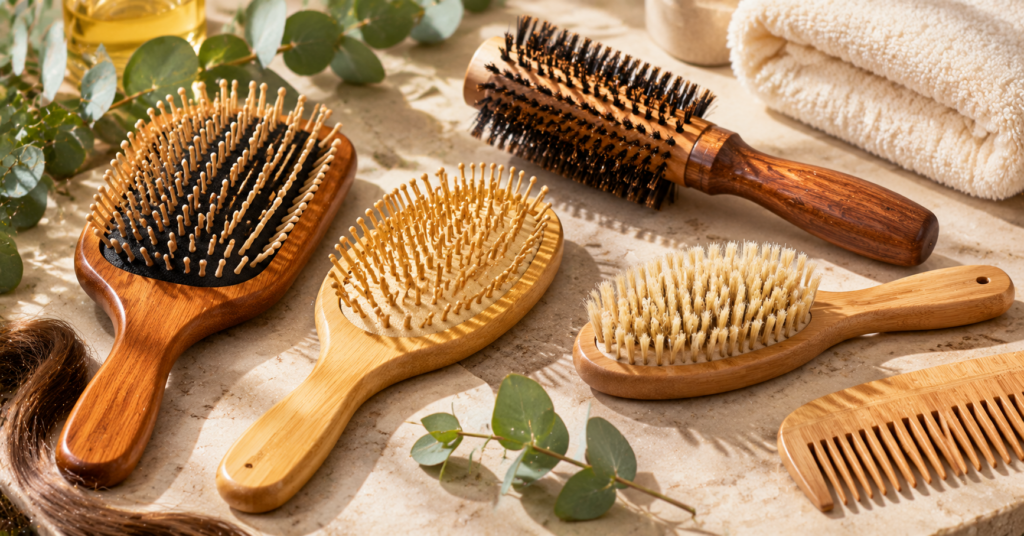
Choosing the right hairbrush can make a noticeable difference in your daily haircare routine. The right brush helps detangle hair, distribute natural oils, manage frizz, and create a smoother appearance. With so many options available, wooden hairbrushes have become a popular choice among people looking for practical, attractive, and natural-looking haircare accessories.
The Best Wooden Brushes combine functional designs with materials such as bamboo, beechwood, and other types of natural wood. They are available in different shapes, sizes, and bristle styles to suit different hair textures and styling preferences.
Whether you have long, short, thick, fine, straight, or curly hair, choosing an appropriate brush can make everyday grooming easier. However, not every wooden brush works equally well for every hair type.
This guide explains the different brush styles, their potential benefits, how to choose the right option, and how to maintain your hairbrush for long-term use.
What Are Wooden Hair Brushes?
Wooden hairbrushes are grooming tools made with wooden handles or brush bodies, often combined with wooden pins, natural bristles, or synthetic bristles.
Unlike conventional plastic brushes, they feature natural-looking wooden construction and are available in several designs.
Common materials include:
- Bamboo
- Beechwood
- Walnut wood
- Cherry wood
- Other hardwood varieties
- Best Wooden Brushes
- Best Wooden Brushes
Some designs use rounded wooden pins, while others feature natural boar bristles or mixed bristle combinations.
The Best Wooden Brushes are available in different shapes to support everyday grooming, detangling, styling, and scalp massage.
Their suitability depends on the brush construction, hair texture, and individual preferences.
Why Choose Wooden Brushes for Your Hair?
Wooden brushes offer several practical features that make them attractive alternatives to conventional plastic hairbrushes.
1. Comfortable Grip and Natural Design
Wooden handles often provide a comfortable, sturdy grip.
Their natural grain and polished finishes also create an attractive appearance that complements modern bathroom and dressing-room accessories.
2. Different Options for Hair Types
Wooden brushes are available in paddle, round, oval, and pin-brush designs.
This variety makes it easier to select a brush according to your hair length, thickness, and styling requirements.
3. Potentially Gentle Detangling
Wooden pins with smooth, rounded tips can help separate hair strands when used carefully.
The brush should glide through the hair without excessive pulling. Gentle technique is important because even a well-designed brush can cause breakage when used aggressively.
Best Wooden Brushes
4. Helps Distribute Natural Hair Oils
Certain brush designs can help distribute sebum from the scalp toward the hair lengths.
This may be particularly noticeable with suitable natural-bristle brushes, although results vary according to hair type and texture.
5. Attractive and Reusable Accessories
A well-maintained wooden brush can remain useful for a long time.
Choosing durable materials and caring for them properly can reduce the need for frequent replacements.
6. Natural Material Appeal
People interested in reducing disposable plastic accessories may appreciate wooden grooming tools.
However, environmental impact depends on wood sourcing, manufacturing, packaging, durability, and the other materials used in the brush.
Best Wooden Brushes
Best Types of Wooden Brushes for Different Hair Needs
Choosing the right design is more important than simply selecting a brush because it is made from wood.
Here are some popular options to consider.
1. Wooden Paddle Brushes
<AsyncImage query=”natural wooden paddle hairbrush bamboo flat brush” aspectRatio=”5:4″ width=”100%”/>
Paddle brushes feature a broad, flat brushing surface that makes them useful for longer hair.
They are commonly used for:
- Smoothing long hair
- Detangling straight hair
- Managing everyday knots
- Brushing medium and thick hair
- Creating a neat appearance
- Best Wooden Brushes
The Best Wooden Brushes for long hair often include paddle designs with widely spaced pins.
2. Wooden Pin Brushes
<AsyncImage query=”wooden hair brush rounded wooden pins oval bamboo brush” aspectRatio=”5:4″ width=”100%”/>
Wooden pin brushes feature individual wooden pins attached to a cushioned or solid brush base.
Rounded pins can provide a comfortable brushing experience when their surfaces are smooth and properly finished.
They are often chosen for everyday grooming and gentle scalp contact.
3. Wooden Round Brushes
<AsyncImage query=”wooden round barrel hair styling brush natural wood bristles” aspectRatio=”5:4″ width=”100%”/>
Round brushes are commonly used during blow-drying and styling.
Depending on the barrel size, they can help create:
- Volume at the roots
- Smooth styling
- Curved ends
- Soft waves
- Rounded hairstyles
Choose a barrel diameter that suits your hair length and desired styling result.
4. Wooden Boar Bristle Brushes
<AsyncImage query=”wooden boar bristle hair brush natural wooden handle close up” aspectRatio=”5:4″ width=”100%”/>
Boar bristle brushes feature natural animal-hair bristles attached to a wooden base.
They are often selected for smoothing and distributing natural oils through suitable hair types.
However, they may not work equally well for very thick, tightly curled, or easily tangled hair.
People who prefer vegan products should consider wooden brushes with plant-based or synthetic bristles.
5. Bamboo Hair Brushes
<AsyncImage query=”bamboo wooden hairbrush eco friendly bamboo pins” aspectRatio=”5:4″ width=”100%”/>
Bamboo brushes combine a lightweight natural material with practical grooming designs.
They are available in paddle, pin, and massage-style configurations.
Bamboo is a renewable plant material, although the overall environmental benefits depend on sourcing and manufacturing practices.
How to Choose the Best Wooden Brushes for Your Hair Type
Your hair texture, thickness, and length should influence your purchasing decision.
1. Fine or Thin Hair
Fine hair can be more vulnerable to breakage, particularly when tangled.
Choose a lightweight brush with smooth pins or soft bristles.
Avoid aggressive brushing and excessive tension.
2. Thick Hair
Thick hair often benefits from a wide paddle brush with sturdy, well-spaced pins.
Look for a design that can reach through the hair without pulling excessively.
3. Curly Hair
Curly hair can become frizzy when brushed dry.
Consider a wide-tooth wooden comb or a suitable detangling brush, and work through curls gently when damp and conditioned if that suits your hair routine.
4. Straight Hair
Straight hair can work well with paddle brushes and smooth wooden pin brushes.
A natural-bristle design may also be useful for smoothing, depending on hair thickness.
5. Long Hair
Long hair generally benefits from a brush with a broad surface and sufficient pin spacing.
Begin detangling from the ends and gradually move upward to minimize pulling.
6. Short Hair
Smaller wooden brushes provide better control for shorter hairstyles.
Round brushes can also help shape short layers and add volume during blow-drying.
The Best Wooden Brushes are those that match your specific hair needs rather than simply following popular beauty trends.
Wooden Brushes vs. Plastic Brushes
Both wooden and plastic brushes can be useful, but their construction and everyday feel may differ.
| Feature | Wooden Brushes | Plastic Brushes |
|---|---|---|
| Main material | Wood or bamboo | Plastic |
| Appearance | Natural grain and finish | Wide range of colors |
| Weight | Varies by wood and design | Often lightweight |
| Bristle options | Wooden, natural, or synthetic | Mostly synthetic |
| Maintenance | Keep wood relatively dry | Generally easier to wash |
| Environmental considerations | Depends on sourcing and construction | Depends on plastic type and disposal |
| Styling options | Paddle, round, pin, and more | Many shapes and designs |
Neither material is automatically better for every person.
The ideal choice depends on comfort, hair type, maintenance preferences, and product quality.
How to Use a Wooden Hairbrush Correctly
Using the right technique can help reduce unnecessary pulling and breakage.
Step 1: Remove Major Knots First
If your hair has significant tangles, separate them gently using your fingers or a suitable detangling tool.
Step 2: Divide Long or Thick Hair Into Sections
Working in smaller sections can make brushing easier and provide better control.
Step 3: Start From the Ends
Hold the section gently and brush from the ends before moving gradually toward the roots.
This technique helps prevent tangles from becoming tighter.
Step 4: Use Gentle Strokes
Avoid pulling or forcing the brush through resistant knots.
If necessary, apply a suitable detangling product before continuing.
Step 5: Clean the Brush After Use
Remove trapped hair regularly to keep the brush clean and ready for your next grooming session.
Common Mistakes to Avoid When Using Wooden Brushes
Even the Best Wooden Brushes require proper handling and maintenance.
Avoid these common mistakes:
1. Brushing Too Aggressively
Pulling hard through knots can damage hair and cause unnecessary breakage.
Use gentle movements instead.
2. Using the Wrong Brush Type
A small styling brush may not be suitable for very thick, long hair.
Select a design that matches your grooming requirements.
3. Brushing Wet Hair Without Care
Wet hair can be more vulnerable to stretching and breakage.
Use a suitable wet-hair detangling tool and avoid excessive tension.
4. Ignoring Brush Cleanliness
Hair, dust, and product residue can accumulate between the bristles.
Remove buildup regularly.
5. Leaving Wooden Brushes Wet
Prolonged exposure to water can damage wood, loosen adhesive, or affect the brush’s finish.
Clean them carefully and allow them to dry completely.
How to Clean and Maintain Wooden Hair Brushes
Proper maintenance helps preserve the appearance and functionality of wooden grooming tools.
1. Remove Loose Hair
Use your fingers or a cleaning tool to remove trapped hair between the pins and bristles.
2. Clean the Brush Surface
Use a slightly damp cloth to wipe the wooden handle and body.
Avoid soaking the brush in water.
3. Clean the Bristles Carefully
For brushes that allow washing, use a small amount of mild soap on the bristles while keeping the wooden base as dry as possible.
Follow the manufacturer’s instructions.
4. Dry Thoroughly
Allow the brush to air-dry completely in a well-ventilated area.
Avoid direct heat and prolonged sunlight.
5. Store It Properly
Keep your brush in a dry location away from excessive humidity.
Do not store it in a wet shower area.
Frequently Asked Questions
1. Are wooden brushes good for everyday haircare?
Yes. A properly designed wooden brush can be suitable for everyday grooming. Choose smooth pins or appropriate bristles that match your hair type.
2. Do wooden brushes help reduce frizz?
Some people find wooden brushes comfortable for smoothing their hair. However, frizz depends on hair texture, humidity, brushing technique, and product use. Results are not guaranteed.
3. Which wooden brush is best for long hair?
A wide paddle brush with smooth, well-spaced pins is often a practical choice for long hair because it provides a broad brushing surface.
4. Are bamboo hairbrushes better than plastic brushes?
Bamboo brushes offer a natural-material alternative to plastic designs. However, performance and environmental impact depend on construction, sourcing, and product quality.
5. Can I use wooden brushes on curly hair?
Yes, but choose a suitable detangling design and use gentle techniques. Many people prefer detangling curly hair when damp and conditioned to reduce unnecessary disruption of curl patterns.
6. How often should I clean a wooden hairbrush?
Remove trapped hair regularly, ideally after use or whenever buildup becomes noticeable. Give the brush a more thorough cleaning when needed, following its care instructions.
7. Can wooden brushes be used on wet hair?
Some designs can be used on damp hair, but wooden brushes should not remain wet for long periods. Choose a brush specifically suitable for detangling and avoid pulling on fragile wet hair.
8. How long do wooden hairbrushes last?
Their lifespan depends on wood quality, bristle construction, usage, and maintenance. Keeping the brush clean and dry can help extend its useful life.
Conclusion
Choosing the right hairbrush is an important part of building a practical and comfortable haircare routine. Wooden brushes offer a combination of natural-looking materials, different styling options, and everyday grooming functionality.
From paddle and pin brushes to round styling brushes and bamboo designs, there are many options to explore.
When comparing the Best Wooden Brushes, consider your hair type, brush shape, bristle material, construction quality, and maintenance requirements.
Remember that no single brush works perfectly for everyone. Fine, thick, curly, and straight hair can all have different grooming needs.
Choose a design that feels comfortable, detangles without excessive pulling, and fits your everyday routine. With suitable care and gentle brushing techniques, a quality wooden hairbrush can become a useful and attractive addition to your personal care collection.