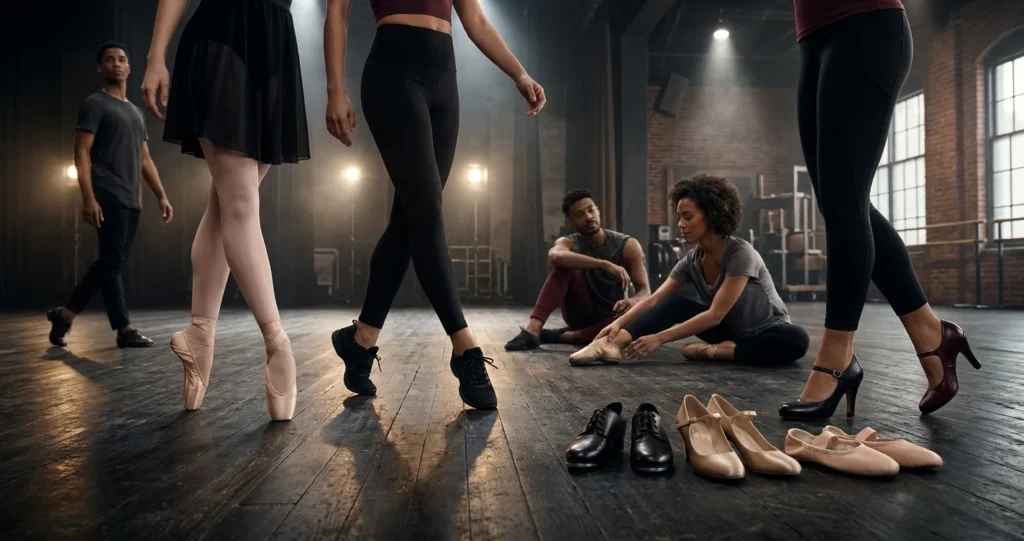
Performing on stage requires more than talent, practice, and confidence. The right footwear also plays an important role in helping performers move comfortably, maintain balance, and express themselves through movement. Whether someone is a professional dancer, theater artist, musician, or stage entertainer, choosing suitable shoes can make a noticeable difference in their performance experience.
Shoes for performers are designed to meet different requirements depending on the activity, performance environment, and movement involved. Some prioritize flexibility and lightweight construction, while others focus on stability, grip, cushioning, and appearance.
From ballet studios and musical theater productions to live concerts and contemporary dance performances, every performer needs footwear that supports their specific activities.
In this guide, we explore different footwear styles, important features, material choices, sizing considerations, and practical tips for finding the right pair.
Why Is Choosing the Right Performance Footwear Important?
Performers often spend several hours rehearsing, practicing choreography, or appearing in live productions. Wearing unsuitable footwear can make these activities uncomfortable and may affect movement quality.
The right shoes for performers should complement the physical requirements of their particular discipline.
Here are some important reasons to choose appropriate footwear:
- Comfort: Proper cushioning and fit help reduce unnecessary pressure during extended rehearsals.
- Flexibility: Suitable soles allow performers to move naturally.
- Stability: Appropriate support helps maintain balance during movement.
- Grip: Suitable traction can help reduce unwanted slipping.
- Appearance: Well-designed footwear complements costumes and stage outfits.
- Durability: Quality construction helps withstand regular rehearsals and performances.
Different performance styles require different footwear characteristics. A ballet dancer, for example, needs different shoes from a musician who performs on stage for several hours.
Popular Types of Shoes for Performers
Understanding the different footwear categories can help you choose a pair that matches your performance style.
1. Ballet Shoes
Ballet shoes are designed specifically for classical ballet and certain forms of dance training.
They typically feature lightweight construction, flexible materials, and thin soles that allow dancers to feel the floor.
Common materials include canvas and leather.
Some ballet shoes have full soles, while others feature split soles that provide greater flexibility.
These shoes are generally suitable for ballet classes, rehearsals, and performances, depending on the dancer’s training and requirements.
2. Jazz Dance Shoes
Jazz shoes are popular among jazz dancers, musical theater performers, and certain contemporary dance artists.
They are designed to provide flexibility while allowing controlled movement.
Common styles include:
- Slip-on jazz shoes.
- Lace-up jazz shoes.
- Split-sole jazz shoes.
- Jazz boots.
- Jazz sneakers.
When comparing shoes for performers, jazz footwear is worth considering if your routine involves quick footwork, turns, and coordinated choreography.
3. Tap Dance Shoes
Tap shoes are designed with metal plates attached to the sole and heel.
These plates create rhythmic sounds when dancers strike the floor.
They are available in different constructions, including traditional lace-up styles and more contemporary designs.
The type of tap shoe you choose depends on your experience, preferred sound, and dance technique.
4. Ballroom Dance Shoes
Ballroom shoes are designed for partner dancing and structured dance movements.
They often feature suede soles that allow controlled movement across suitable dance floors.
Women’s ballroom shoes may include different heel heights, while men’s styles commonly feature lower heels and supportive construction.
Choosing the right fit is important because ballroom dancers need footwear that allows controlled movement without unnecessary discomfort.
5. Contemporary Dance Shoes
Contemporary dancers often perform barefoot, but some use specialized dance footwear depending on choreography and floor conditions.
Options include dance paws, foot thongs, and lightweight half-sole shoes.
These designs provide varying levels of coverage while allowing the feet to maintain contact with the floor.
6. Character Shoes for Musical Theater
Character shoes are commonly used in musical theater, stage productions, and certain forms of performance dance.
They generally feature a closed toe, a secure strap, and a structured heel.
They can complement traditional stage costumes while providing a recognizable theatrical appearance.
7. Performance Sneakers
Performance sneakers are useful for street dance, hip-hop, certain contemporary routines, and energetic stage shows.
They commonly feature cushioning, flexible construction, and rubber outsoles.
The best choice depends on the choreography and the type of stage surface.
Important Features to Look for in Performance Shoes
Not every stylish shoe is suitable for professional performance. Before purchasing, consider the features that influence comfort, movement, and durability.
1. Proper Fit
A suitable fit is essential.
Shoes that are too tight may create pressure, while oversized footwear can affect stability.
Your toes should have appropriate room, and the heel should remain secure during movement.
2. Flexibility
Different performance styles require different levels of flexibility.
Dancers may need footwear that allows natural foot movement, while theater performers might prefer a more structured design.
Check how comfortably the sole bends and whether the construction suits your activity.
3. Grip and Traction
The outsole should match the performance surface.
Rubber soles can provide traction for certain dance and stage activities, while suede soles are commonly used for ballroom dancing.
Too much or too little friction can affect movement, so choose footwear designed for your specific floor type.
4. Cushioning
Cushioning can improve comfort during extended rehearsals.
However, the ideal amount depends on the activity.
A lightweight dance shoe may prioritize floor contact, while performance sneakers may offer additional cushioning.
5. Breathability
Performers can spend long periods wearing their shoes under stage lighting or during intensive rehearsals.
Breathable materials and suitable moisture management can help improve comfort.
How to Choose Shoes for Different Performance Activities
The best footwear depends on the type of performance you participate in.
Dance Performances
Dance footwear should match the choreography, technique, and rehearsal environment.
For example, ballet requires specialized ballet shoes, while hip-hop routines may benefit from suitable dance sneakers.
Theater and Musical Productions
Theater performers often need footwear that complements their costumes while supporting movement.
Character shoes, dress shoes, boots, and other stage-specific designs may be appropriate depending on the production.
Live Music and Concerts
Musicians frequently stand for extended periods.
Comfortable shoes with suitable cushioning, stable construction, and appropriate grip can help make long performances more manageable.
Fitness and Stage Entertainment
Fitness instructors and energetic stage entertainers may need lightweight athletic footwear.
Supportive sneakers designed for the relevant activity can provide a suitable combination of cushioning and stability.
When selecting shoes for performers, always consider the physical demands of the actual performance rather than choosing based on appearance alone.
Best Materials for Performance Footwear
Material selection influences comfort, flexibility, durability, and maintenance.
Leather
Leather is commonly used in ballet shoes, jazz footwear, character shoes, and formal performance styles.
It can provide a flexible feel and may gradually adapt to the wearer’s foot.
Canvas
Canvas is a lightweight material frequently used in dance footwear.
It is popular for ballet shoes because of its flexibility and relatively breathable construction.
Mesh
Mesh materials are commonly found in performance sneakers.
They allow airflow and can help reduce heat buildup during physical activities.
Synthetic Materials
Synthetic materials are used across many footwear categories.
They can offer different combinations of flexibility, durability, water resistance, and affordability.
The best material depends on the performance environment and the manufacturer’s construction quality.
How to Find the Correct Shoe Size
Finding the correct size is particularly important for performers because their footwear needs to remain secure during movement.
Follow these recommendations:
- Measure both feet because their sizes may differ slightly.
- Measure your feet later in the day when possible.
- Compare your measurements with the manufacturer’s size chart.
- Consider the thickness of your performance socks.
- Check the width and overall shape of the shoe.
- Test the fit using movements relevant to your activity.
When buying shoes for performers online, review customer feedback and the retailer’s exchange policy.
Remember that dance shoes may fit differently from ordinary everyday sneakers.
How to Maintain Your Performance Shoes
Proper care can help extend the useful life of your footwear.
Different materials require different cleaning methods, so always follow the manufacturer’s instructions.
Useful maintenance tips include:
- Clean shoes regularly after rehearsals.
- Allow footwear to dry naturally after use.
- Avoid storing damp shoes in closed bags.
- Use suitable cleaning products for the material.
- Keep suede soles away from moisture.
- Inspect stitching and soles regularly.
- Store shoes in a dry, ventilated area.
Professional performers should also check their footwear before important productions to identify worn soles, loose straps, or damaged components.
Where to Buy Quality Performance Shoes in the USA
American shoppers can explore specialist dance stores, performing arts retailers, athletic footwear shops, and reputable online stores.
Before making a purchase, compare several important factors.
Look for retailers that provide:
- Detailed sizing information.
- Clear material specifications.
- Product photographs from multiple angles.
- Information about sole construction.
- Customer reviews.
- Return and exchange policies.
- Reliable shipping information.
For specialized dance footwear, consider visiting a professional dancewear store where you can try different styles.
When comparing shoes for performers, prioritize suitability, fit, and construction rather than selecting the most expensive option automatically.
A knowledgeable dance instructor or footwear specialist can also help identify appropriate footwear for your discipline.
Frequently Asked Questions (FAQs)
1. What are shoes for performers?
They are specialized or carefully selected footwear designed for people involved in dance, theater, music, and other stage activities. Their features vary depending on the performance requirements.
2. What shoes are best for stage performances?
The best option depends on the activity. Ballet shoes, jazz shoes, character shoes, ballroom shoes, and performance sneakers all serve different purposes.
3. Can performers wear regular sneakers on stage?
Yes, when the performance allows them. However, sneakers should provide suitable grip, comfort, and support for the activity and stage surface.
4. Are lightweight shoes better for dancing?
Lightweight footwear can make movement feel easier, but flexibility, fit, stability, and the requirements of the dance style are equally important.
5. How often should performance shoes be replaced?
Replacement depends on usage, construction quality, and visible wear. Check the soles, stitching, cushioning, and overall fit regularly.
6. Are leather or canvas dance shoes better?
Both materials have advantages. Leather can provide a flexible, durable construction, while canvas is lightweight and commonly used for dance training.
7. How should I choose shoes for long stage performances?
Look for a comfortable fit, suitable cushioning, appropriate traction, and construction designed for your activity. Test the footwear during rehearsals before wearing it for an important performance.
8. Where can I buy professional performance shoes in the USA?
You can explore specialist dancewear retailers, performing arts stores, and reputable online footwear shops. Compare sizing, construction, and return policies before ordering.
Conclusion
Performing requires dedication, preparation, and the right equipment. While talent and practice are essential, suitable footwear can also contribute to comfort, movement, and confidence on stage.
From ballet and jazz shoes to ballroom footwear and performance sneakers, there are many options designed for different artistic disciplines.
When shopping for shoes for performers, consider your activity, foot shape, preferred materials, stage surface, and required level of support. Take time to compare designs and test the fit before making a final decision.
The right pair should complement your performance style while allowing you to concentrate on what matters most: delivering an outstanding performance.