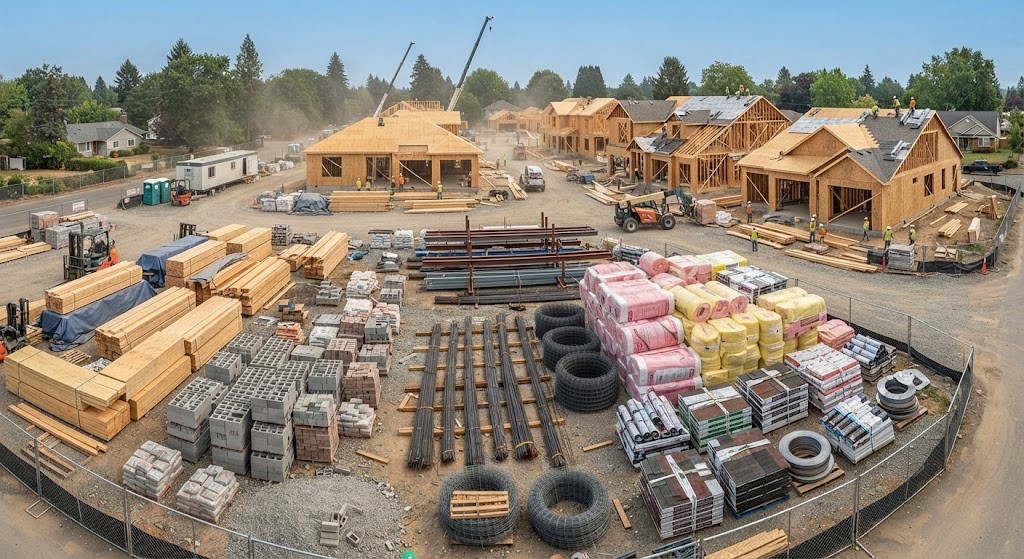
Successful construction projects depend on careful planning, accurate budgeting, and reliable material sourcing. Whether building a new home, commercial property, or large-scale development, selecting the right materials at the right price is essential for controlling costs and maintaining quality.
One of the most important steps in construction procurement is preparing a Request for Quotation (RFQ). A well-prepared RFQ helps contractors, builders, developers, and property owners communicate their requirements clearly and receive accurate pricing from suppliers.
A building materials RFQ guide provides a structured approach for requesting quotes, comparing supplier offers, and making informed purchasing decisions.
Without a detailed RFQ, construction projects may face problems such as unclear pricing, material shortages, unexpected costs, and delays.
Understanding how to create and manage an effective building materials RFQ can help construction professionals improve efficiency and achieve better project outcomes.
What Is a Building Materials RFQ?

A Request for Quotation (RFQ) is a formal document used to ask suppliers or manufacturers for pricing information on specific products or materials.
In construction, an RFQ typically includes detailed information about:
- Required materials
- Quantities
- Specifications
- Quality standards
- Delivery requirements
- Project timelines
- Pricing expectations
The goal of an RFQ is to allow suppliers to provide accurate and comparable quotes.
A clear RFQ reduces confusion and helps buyers identify the best supplier based on factors such as cost, quality, availability, and reliability.
Why a Building Materials RFQ Is Important
Construction projects involve many different materials, suppliers, and cost considerations. Without proper planning, procurement can become complicated.
A detailed RFQ provides several advantages.
Improves Cost Accuracy
Construction budgets depend heavily on accurate material pricing.
An RFQ helps suppliers understand exactly what is required, reducing the possibility of unexpected price changes.
Simplifies Supplier Comparison
When multiple suppliers receive the same information, their quotes become easier to compare.
Builders can evaluate:
- Material costs
- Delivery charges
- Lead times
- Payment terms
- Warranty information
Reduces Project Delays
Material shortages and incorrect orders can slow construction progress.
An effective RFQ ensures suppliers understand:
- Required quantities
- Delivery schedules
- Project requirements
Creates Better Supplier Relationships
Professional communication through RFQs helps establish stronger relationships with suppliers.
Clear expectations create smoother collaboration throughout the project.
Key Elements of an Effective Building Materials RFQ
A successful RFQ should include complete and accurate information.
Project Information
Start with basic project details.
Include:
- Project name
- Location
- Construction type
- Expected timeline
- Contact information
This helps suppliers understand the context of the request.
Detailed Material Specifications
Material descriptions should be as specific as possible.
Include information such as:
- Product type
- Brand preferences
- Dimensions
- Grade requirements
- Performance standards
- Color or finish requirements
For example, instead of requesting “wood,” specify:
- Wood type
- Size
- Treatment requirements
- Intended use
Detailed specifications reduce inaccurate quotes.
Quantity Requirements
Suppliers need accurate quantities to provide realistic pricing.
Include:
- Number of units
- Square footage
- Volume requirements
- Packaging requirements
Incorrect quantities can lead to budget problems.
Quality Standards
Construction materials must meet project requirements.
Specify:
- Industry standards
- Certifications
- Testing requirements
- Compliance expectations
Quality information helps suppliers provide appropriate products.
Delivery Requirements
Transportation and timing are important parts of construction procurement.
Include:
- Delivery location
- Required delivery dates
- Shipping preferences
- Unloading requirements
Payment Terms
Clarify expected payment arrangements.
Consider including:
- Payment schedule
- Deposit requirements
- Credit terms
- Invoice procedures
Steps to Create a Building Materials RFQ
Creating an effective RFQ requires careful preparation.
Step 1: Identify Required Materials
Before contacting suppliers, create a complete material list.
Consider all project stages, including:
- Foundation materials
- Structural components
- Interior finishes
- Exterior materials
- Mechanical systems
A complete list prevents missing important items.
Step 2: Research Potential Suppliers
Identify suppliers that can provide the required materials.
Evaluate:
- Experience
- Product availability
- Reputation
- Location
- Customer reviews
Working with reliable suppliers reduces procurement risks.
Step 3: Prepare Detailed Specifications
Provide enough information for suppliers to create accurate quotes.
Avoid vague descriptions that may result in different interpretations.
Step 4: Send the RFQ to Multiple Suppliers
Requesting quotes from several suppliers allows comparison.
Compare:
- Pricing
- Quality
- Delivery schedules
- Supplier experience
Step 5: Review and Analyze Responses
Do not select a supplier based only on the lowest price.
Consider the complete value offered.
Important factors include:
- Product quality
- Reliability
- Customer service
- Delivery performance
Common Building Materials Included in RFQs
Construction projects require many types of materials.
Structural Materials
These may include:
- Steel
- Concrete
- Lumber
- Reinforcement materials
Structural materials require careful specification because they directly affect building safety.
Exterior Materials
Exterior materials may include:
- Roofing products
- Siding
- Windows
- Doors
- Weatherproofing systems
These materials influence durability and energy efficiency.
Interior Materials
Interior materials may include:
- Flooring
- Drywall
- Paint
- Cabinets
- Fixtures
Insulation and Energy Materials
Modern construction often focuses on efficiency.
RFQs may include:
- Insulation products
- Energy-efficient windows
- Sustainable materials
How to Compare Building Material Quotes
Receiving multiple supplier quotes is only useful if they are carefully evaluated.
Compare Total Costs
Look beyond the initial material price.
Consider:
- Shipping costs
- Installation requirements
- Additional fees
- Long-term value
Evaluate Material Quality
Lower prices may sometimes indicate lower quality.
Review:
- Product specifications
- Certifications
- Manufacturer information
Check Delivery Timelines
A supplier offering the lowest price may not be the best choice if delivery causes project delays.
Review Supplier Reliability
Consider:
- Previous projects
- Customer feedback
- Industry experience
Common Mistakes When Preparing Material RFQs
Avoiding common errors can improve procurement results.
Providing Incomplete Information
Missing details can lead to inaccurate quotes.
Always include complete specifications and quantities.
Focusing Only on Price
The cheapest option may not provide the best value.
Quality and reliability are equally important.
Not Setting Clear Deadlines
Suppliers need clear response timelines.
Specify:
- Quote submission deadline
- Expected delivery dates
- Project milestones
Ignoring Alternative Materials
Sometimes suppliers can recommend better alternatives.
Be open to reviewing options that meet project requirements.
Benefits of Using Digital RFQ Tools
Technology has improved construction procurement processes.
Digital RFQ systems can help with:
- Faster supplier communication
- Easier document management
- Quote comparison
- Procurement tracking
Many construction companies now use digital platforms to improve efficiency.
Sustainability Considerations in Building Material Procurement
Modern construction increasingly focuses on sustainable practices.
When preparing an RFQ, consider requesting information about:
- Recycled materials
- Energy-efficient products
- Environmental certifications
- Sustainable manufacturing practices
Sustainable procurement can support environmental goals while improving long-term building performance.
Tips for Getting Better Supplier Responses
A well-written RFQ encourages better supplier participation.
Be Clear and Professional
Suppliers respond more effectively when requirements are organized and easy to understand.
Provide Realistic Timelines
Allow suppliers enough time to prepare accurate proposals.
Maintain Communication
Respond to supplier questions quickly to avoid delays.
Build Long-Term Supplier Relationships
Reliable suppliers can become valuable partners for future projects.
Frequently Asked Questions About Building Materials RFQ Guide
What is a building materials RFQ?
A building materials RFQ is a document used by construction professionals to request pricing and product information from suppliers for specific materials.
Why is an RFQ important in construction?
An RFQ helps improve pricing accuracy, simplify supplier comparison, reduce delays, and create clearer communication between buyers and suppliers.
What information should be included in a building materials RFQ?
A complete RFQ should include project details, material specifications, quantities, quality requirements, delivery information, and payment terms.
How many suppliers should receive an RFQ?
Many construction professionals send RFQs to multiple suppliers to compare pricing, quality, and service options.
Should I choose the supplier with the lowest quote?
Not always. The best supplier should provide a balance of competitive pricing, quality materials, reliable delivery, and good service.
Can an RFQ help reduce construction costs?
Yes. A detailed RFQ can help identify competitive pricing, prevent ordering mistakes, and improve procurement planning.
Conclusion
A well-prepared building materials RFQ is an essential tool for successful construction procurement. By clearly defining project requirements, material specifications, quantities, and delivery expectations, builders and contractors can receive more accurate quotes and make better purchasing decisions.
Following a structured building materials RFQ guide helps reduce misunderstandings, control costs, and create stronger relationships with reliable suppliers.
Whether managing a residential project or a large commercial development, effective material procurement plays a major role in completing construction projects on time, within budget, and according to quality standards.