

Driving in California requires more than knowing how to operate a vehicle. Every driver must understand state traffic laws, road signs, lane markings, right-of-way rules, and regulations designed to keep roads safe.
California has some of the busiest highways and most complex road systems in the United States. From crowded city streets in Los Angeles and San Francisco to rural highways and coastal roads, drivers encounter many different traffic situations every day.
A clear understanding of traffic laws can help drivers avoid violations, reduce accident risks, and make safer decisions behind the wheel.
This California traffic law guide explains important driving rules, including lane markings, turning regulations, common violations, penalties, and frequently asked questions about California roadway laws.
Why Understanding California Traffic Laws Matters
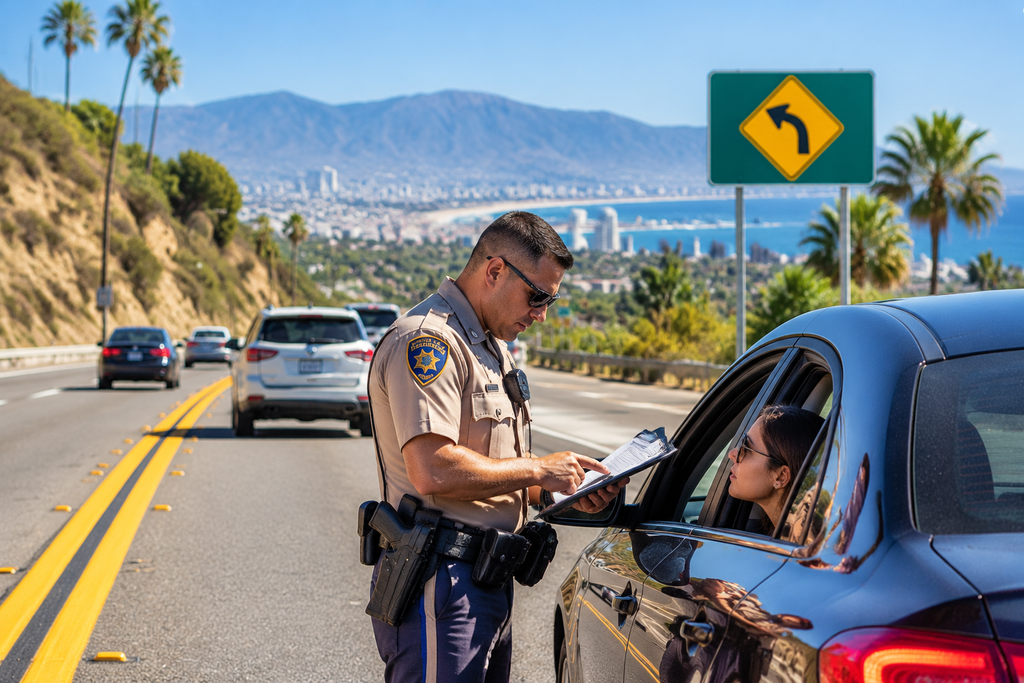
Traffic laws exist to create predictable behavior among drivers and reduce the likelihood of collisions.
Following California traffic regulations helps drivers:
- Avoid traffic tickets
- Reduce accident risks
- Protect passengers and pedestrians
- Understand their legal responsibilities
- Respond correctly in challenging driving situations
Many traffic violations happen because drivers misunderstand specific rules rather than intentionally breaking the law.
For example, questions about crossing double yellow lines, making left turns, changing lanes, and entering restricted areas are common among California drivers.
Understanding Double Yellow Lines in California
One of the most frequently misunderstood traffic markings in California is the double yellow line.
Double yellow lines separate lanes of traffic moving in opposite directions. They are generally used in areas where passing may be dangerous due to visibility, road conditions, or traffic patterns.
Understanding when you can and cannot cross these lines is an important part of safe driving.
Can You Turn Left Over Double Yellow Lines in California?
A common question addressed in many traffic law discussions is whether drivers can make left turns across double yellow lines.
In many situations, California law allows drivers to cross double yellow lines to make a left turn when it is safe and legal.
Examples may include:
- Turning into a driveway
- Entering a private road
- Turning into a business entrance
- Accessing certain permitted areas
However, drivers must ensure the maneuver can be completed safely and must follow all other traffic rules.
Double yellow lines generally restrict passing, but they do not always prohibit every type of crossing.
When Crossing Double Yellow Lines May Be Illegal
Although some left turns across double yellow lines may be allowed, there are situations where crossing them can violate traffic laws.
Drivers should avoid crossing double yellow lines when:
- Signs prohibit the movement
- The road conditions make the turn unsafe
- There is oncoming traffic creating danger
- The vehicle would interfere with other road users
- The action involves unsafe passing
Understanding the difference between making a legal turn and making an unsafe maneuver is essential.
California Lane Marking Rules Explained
Road markings communicate important instructions to drivers.
Solid White Lines
Solid white lines separate lanes traveling in the same direction.
Drivers should generally avoid changing lanes across solid white lines unless permitted and safe.
Broken White Lines
Broken white lines usually allow lane changes when conditions are safe.
Drivers should check mirrors, signals, and blind spots before moving.
Yellow Lines
Yellow lines separate traffic moving in opposite directions.
They indicate areas where drivers must pay attention to passing restrictions and turning rules.
Double Solid Yellow Lines
Double solid yellow lines indicate a stronger restriction compared with broken yellow lines.
Drivers should not use these lanes for passing.
Common California Traffic Violations
Understanding common violations can help drivers avoid unnecessary penalties.
Speeding Violations
Speeding is one of the most common traffic offenses in California.
Speed limits are designed based on:
- Road conditions
- Traffic patterns
- Pedestrian activity
- Safety concerns
Driving faster than allowed can increase accident risks and may result in fines or points on a driving record.
Illegal Turns
Traffic laws regulate where and when drivers can turn.
Common illegal turning violations include:
- Turning where prohibited
- Ignoring signs
- Making unsafe U-turns
- Turning without proper signaling
Drivers should always check signs and road markings before turning.
Running Red Lights and Stop Signs
Traffic signals and stop signs control intersections and protect drivers, pedestrians, and cyclists.
Failing to stop can result in:
- Traffic citations
- Increased insurance costs
- Collision risks
Distracted Driving
California has strict laws regarding distracted driving.
Common distractions include:
- Text messaging
- Holding a phone while driving
- Looking away from the road
- Unsafe use of electronic devices
Drivers should focus fully on the roadway.
California Right-of-Way Rules
Right-of-way rules help drivers understand who should proceed first.
Serious situations include:
Intersections Without Signals
Drivers must understand yielding rules when multiple vehicles approach an intersection.
Pedestrian Crossings
California drivers must pay close attention to pedestrians.
Failing to yield can create serious safety risks.
Emergency Vehicles
Drivers must safely respond when emergency vehicles approach with lights or sirens.
California Traffic Tickets and Penalties
Traffic violations can result in different consequences depending on the offense.
Possible penalties include:
- Fines
- Traffic school requirements
- Points on driving records
- Increased insurance rates
The severity of consequences depends on factors such as:
- Type of violation
- Driving history
- Accident involvement
- Local court procedures
How Traffic Violations Affect Your Driving Record
California uses a point system to track certain driving violations.
Points may be added for offenses such as:
- Unsafe driving behavior
- Speed violations
- Serious traffic offenses
Accumulating too many points can lead to additional consequences, including possible license suspension.
Maintaining a clean driving record helps reduce long-term costs and legal complications.
What To Do After Receiving a Traffic Ticket in California
Receiving a traffic citation does not always mean accepting the consequences immediately.
Drivers should carefully review:
- The violation listed
- Court information
- Required deadlines
- Available options
Depending on the situation, drivers may have options such as:
- Paying the ticket
- Attending traffic school
- Contesting the citation
When Should You Consult a California Traffic Attorney?
Not every traffic ticket requires legal assistance. However, some situations may benefit from professional guidance.
Consider speaking with a traffic attorney if:
- The violation is serious
- You are facing license issues
- The ticket could affect employment
- You believe the citation is incorrect
- The violation involves an accident
A legal professional can explain available options based on your circumstances.
How to Drive Safely Under California Traffic Laws
Following traffic laws is not only about avoiding penalties. It is also about protecting everyone on the road.
Use Proper Signals
Always signal before:
- Turning
- Changing lanes
- Entering traffic
Signals communicate your intentions to other drivers.
Maintain Safe Following Distance
California roads can experience sudden stops and heavy traffic.
Keeping adequate distance gives drivers more time to react.
Stay Aware of Road Conditions
Drivers should adjust behavior based on:
- Weather
- Traffic
- Construction zones
- Visibility
California Traffic Laws for New Drivers
New drivers should spend time learning:
- Road signs
- Lane markings
- Parking regulations
- Right-of-way rules
- Defensive driving techniques
The California Driver Handbook provides important information for understanding state requirements.
Common Misunderstandings About California Traffic Rules
Myth: You Can Never Cross Double Yellow Lines
Many drivers believe crossing double yellow lines is always illegal.
In reality, some situations allow crossing when making permitted turns and when done safely.
Myth: Small Traffic Violations Do Not Matter
Even minor violations can affect driving records and insurance costs.
Myth: Traffic Rules Are the Same Everywhere
Traffic laws vary between states.
Drivers should understand California-specific requirements.
Tips for Avoiding Traffic Violations in California
Stay Updated on Traffic Rules
Laws can change over time.
Review current regulations when needed.
Pay Attention to Signs
Road signs provide important legal instructions.
Avoid Aggressive Driving
Aggressive behaviors such as unsafe passing or tailgating increase risks.
Practice Defensive Driving
Defensive driving means anticipating possible hazards and making safer decisions.
Frequently Asked Questions About California Traffic Law Guide
Can you cross double yellow lines to make a left turn in California?
In many cases, California drivers may cross double yellow lines to make a safe and legal left turn into permitted areas, such as driveways or entrances. However, restrictions and safety conditions still apply.
Are double yellow lines the same as a no-turn zone?
No. Double yellow lines mainly regulate passing between opposite directions of traffic. Additional signs or road markings determine whether certain turns are prohibited.
What happens if you violate California traffic laws?
Penalties depend on the specific violation and may include fines, points on your driving record, traffic school requirements, or other consequences.
Can a traffic ticket affect insurance rates in California?
Yes. Certain violations may affect insurance costs because insurers may consider driving records when setting premiums.
Do I need a lawyer for a California traffic ticket?
Some minor violations can be handled without an attorney, but serious offenses or complicated situations may benefit from legal advice.
How can I learn California traffic laws?
Drivers can review official resources, driver education materials, and updated traffic law information to better understand California roadway rules.
Related Secondary Keywords
- California driving laws
- California traffic rules
- double yellow lines California
- California left turn laws
- traffic violations in California
- California road regulations
- California DMV rules
- traffic ticket attorney California
- California driving handbook
- California traffic penalties
Conclusion
Understanding traffic laws is essential for every California driver. From lane markings and turning rules to traffic violations and penalties, knowing the rules helps create safer roads and reduces unnecessary legal problems.
This California traffic law guide provides an overview of important driving regulations, including how double yellow lines work, when certain maneuvers may be permitted, and what drivers should know about traffic violations.
Safe driving requires awareness, patience, and knowledge of the law. By staying informed about California traffic regulations and making careful decisions behind the wheel, drivers can better protect themselves, their passengers, and everyone sharing the road.

