
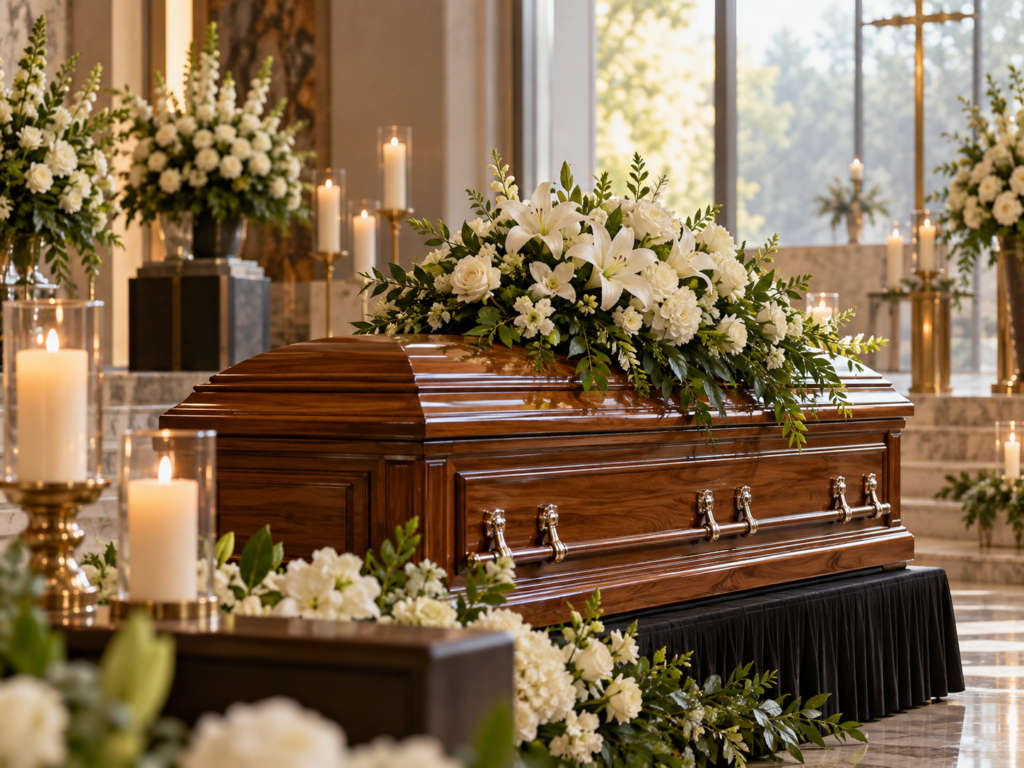
Losing someone close is one of the most emotional experiences a person can go through. During this difficult time, families often need to make important decisions quickly, including choosing a casket for a funeral or memorial service.
A casket is more than a container used during burial. For many families, it represents respect, love, remembrance, and a final tribute to someone’s life. Choosing the right option involves understanding different materials, designs, prices, and personal preferences.
With many choices available today, families can select from traditional wooden caskets, metal caskets, eco-friendly options, and customized designs. Understanding these options can help make the decision easier and ensure that the chosen casket reflects the wishes and personality of the person being remembered.
This guide explains everything families need to know about caskets, including types, materials, costs, features, and important considerations when making a thoughtful choice.
What Is a Casket?
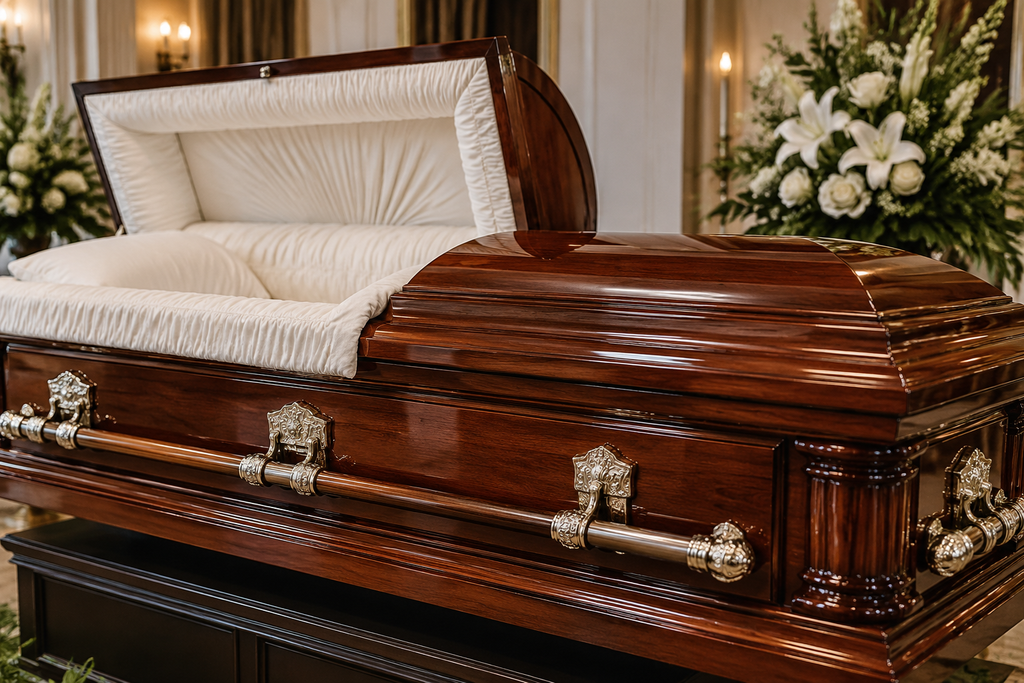
A casket is a specially designed container used to hold and protect the body of a deceased person during funeral services and burial.
In the United States, the terms “casket” and “coffin” are sometimes used interchangeably, but there is a traditional difference between them. Caskets are usually rectangular in shape and feature a hinged lid, while traditional coffins often have a more tapered design.
Modern caskets are designed with comfort, durability, and appearance in mind. They are available in different materials, colors, finishes, and interior designs to meet different cultural, religious, and personal preferences.
For many families, selecting a casket is an important part of creating a meaningful farewell ceremony.
Why Choosing the Right Casket Matters
A funeral is not only a ceremony but also a way for family and friends to honor and remember a person’s life. The choice of casket can reflect the personality, values, and wishes of the individual.
Some families may prefer a simple and affordable option, while others may choose a more detailed design that represents a lifetime of achievements, hobbies, or personal style.
The right casket can help create a respectful atmosphere and provide families with a meaningful way to say goodbye.
Different Types of Caskets Available
Caskets come in various styles and materials. Understanding the differences can help families choose an option that fits their needs, preferences, and budget.
Wooden Caskets
Wooden caskets are among the most traditional and widely chosen options in the United States.
They are valued for their natural appearance, warmth, and timeless design. Common types of wood used for caskets include:
- Oak
- Cherry
- Walnut
- Mahogany
- Pine
Each type of wood offers a different appearance and price range. Hardwood caskets are often selected for their durability and elegant craftsmanship, while simpler woods may provide a more affordable option.
Many wooden caskets feature polished finishes, decorative details, and comfortable interior fabrics.
Metal Caskets
Metal caskets are another popular choice because of their strength and durability.
Common materials include:
- Stainless steel
- Bronze
- Copper
- Carbon steel
Metal caskets are available in different finishes and designs. Bronze and copper options are often considered premium choices because of their appearance and long-lasting qualities.
Steel caskets are available in different thickness levels, allowing families to choose based on personal preference and budget.
Eco-Friendly Caskets
As environmental awareness grows, some families are choosing sustainable funeral options.
Eco-friendly caskets are made from materials such as:
- Bamboo
- Wicker
- Recycled materials
- Natural wood
These options are designed for families who want a simpler approach with reduced environmental impact.
Green burial practices have become increasingly popular among people looking for more natural funeral arrangements.
Customized Caskets
Many families choose customized caskets to create a more personal tribute.
Customization options may include:
- Personalized artwork
- Special colors
- Custom interior designs
- Engraved details
- Photos or meaningful symbols
A customized casket can reflect a person’s interests, career, hobbies, or important memories.
How Much Does a Casket Cost?
The cost of a casket can vary significantly depending on the material, design, brand, and features.
In the United States, casket prices can range from several hundred dollars for basic models to several thousand dollars for premium designs.
Factors that influence casket pricing include:
Material
The type of material has a major impact on cost. Hardwood, bronze, and copper caskets generally cost more than simpler materials.
Craftsmanship
Detailed finishes, handcrafted designs, and premium interiors can increase the price.
Features
Additional features such as upgraded fabrics, decorative hardware, and personalized elements may affect the final cost.
When choosing a casket, families should consider both emotional preferences and financial circumstances.
Factors to Consider When Buying a Casket
Choosing a casket can feel overwhelming, especially while grieving. Considering a few important factors can make the process easier.
Budget and Funeral Expenses
Funeral costs can add up quickly, including:
- Funeral home services
- Burial fees
- Transportation
- Memorial arrangements
- Cemetery expenses
Setting a realistic budget before selecting a casket can help families make a decision without unnecessary financial stress.
Burial Requirements
Different cemeteries may have specific requirements regarding caskets and burial containers.
Before purchasing, families should confirm:
- Cemetery rules
- Burial regulations
- Required vault or liner requirements
Understanding these details can prevent unexpected issues later.
Personal Preferences and Family Wishes
A casket should reflect the wishes of the deceased and their family whenever possible.
Some families may value traditional designs, while others may prefer modern, simple, or environmentally friendly options.
The most important factor is choosing something that feels meaningful and appropriate.
Quality and Construction
A well-made casket should provide reliable construction and a respectful appearance.
Important quality features include:
- Strong hardware
- Secure construction
- Quality interior materials
- Durable finishes
Examining these details can help families select a product that meets their expectations.
Casket Materials: Understanding the Differences
Choosing the right material is one of the biggest decisions when selecting a casket.
Wood vs Metal Caskets
Wooden caskets provide a natural and traditional appearance. They are often chosen for their warmth and classic style.
Metal caskets offer durability and are available in many finishes. They may appeal to families looking for a stronger construction.
The choice between wood and metal often depends on personal preference, budget, and family traditions.
Traditional vs Modern Designs
Traditional caskets often feature classic finishes, detailed craftsmanship, and elegant designs.
Modern caskets may focus on simplicity, personalization, and unique styles.
Today’s families have more choices than ever before, allowing them to select an option that truly represents their loved one.
Buying a Casket Online vs. Through a Funeral Home
Families now have multiple ways to purchase a casket, including online retailers and funeral homes.
Buying Through a Funeral Home
Funeral homes often provide convenience because families can arrange multiple services in one place.
However, prices and selections may vary, so families should compare available options.
Buying a Casket Online
Online casket providers offer a wider selection and allow families to compare prices from home.
Benefits may include:
- More product choices
- Transparent pricing
- Convenient ordering
- Access to different styles
Families should always review shipping policies, return information, and delivery timelines before making a purchase.
How to Care for and Maintain a Casket Before Use
Although caskets are designed for funeral purposes, proper handling is important before the service.
Recommendations include:
- Keep the casket in a clean, dry location
- Avoid exposure to extreme temperatures
- Handle carefully during transportation
- Follow supplier instructions
Professional funeral providers can also help ensure proper preparation and handling.
Frequently Asked Questions About Caskets
What is the difference between a casket and a coffin?
A casket usually has a rectangular shape with a hinged lid, while a traditional coffin often has a tapered design. In everyday conversation, many people use the terms interchangeably.
How much does a casket usually cost?
The price of a casket varies depending on materials, design, and features. Basic models may cost hundreds of dollars, while premium options can cost several thousand dollars.
Can I buy a casket online?
Yes, many families purchase caskets online. Online providers often offer different styles and price options. Families should check delivery details and product information before ordering.
What is the most popular type of casket?
Wooden and metal caskets are among the most commonly selected options in the United States. The best choice depends on personal preference, budget, and family traditions.
Are eco-friendly caskets available?
Yes, eco-friendly caskets made from materials like bamboo, wicker, and sustainable wood are available for families interested in green burial options.
Do all cemeteries require a specific type of casket?
Requirements vary by cemetery. Families should check local regulations and cemetery policies before making a final decision.
Conclusion
Choosing a casket is an important decision that allows families to honor and remember their loved ones in a meaningful way. With many options available, including wooden, metal, eco-friendly, and customized designs, families can find a choice that matches their preferences, values, and budget.
Understanding different casket materials, costs, features, and purchasing options can make the process easier during an emotional time. Whether selecting a traditional design or a personalized tribute, the most important factor is choosing an option that represents dignity, respect, and remembrance.
A carefully chosen casket serves as a final expression of love and appreciation, helping families create a meaningful farewell for someone special.

