
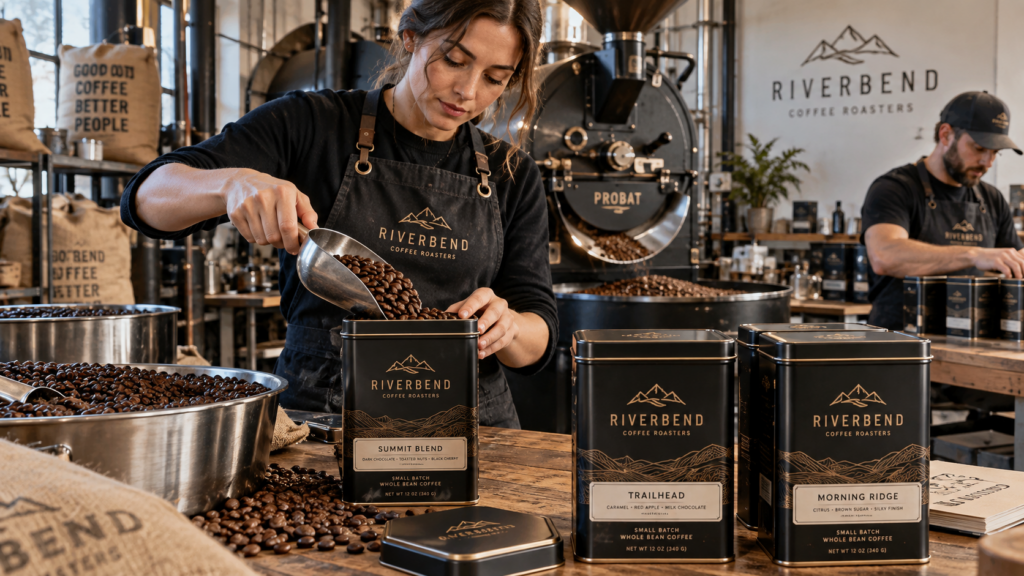
For specialty coffee companies, packaging is much more than a container. It protects the product, communicates the brand, influences purchasing decisions, and can become part of the customer’s experience long after the coffee has been consumed.
A coffee tin box offers a combination of practical protection and visual appeal that makes it an attractive option for coffee roasters, specialty coffee brands, retailers, subscription services, gift companies, and other businesses in the USA.
Unlike disposable packaging that is typically thrown away after use, a well-designed metal coffee container can become a reusable item in the customer’s kitchen. It can also provide a premium surface for logos, illustrations, colors, product information, and other brand elements.
Kaisi Tin Box, for example, offers custom coffee tin cans in different styles, shapes, and designs, with options for custom printing and branding. Its coffee packaging range includes round and rectangular designs as well as coffee bean tins with different closure styles.
For coffee businesses looking to improve both product presentation and packaging functionality, understanding how coffee tins work and what features matter can help when choosing the right solution.
What Is a Coffee Tin Box?
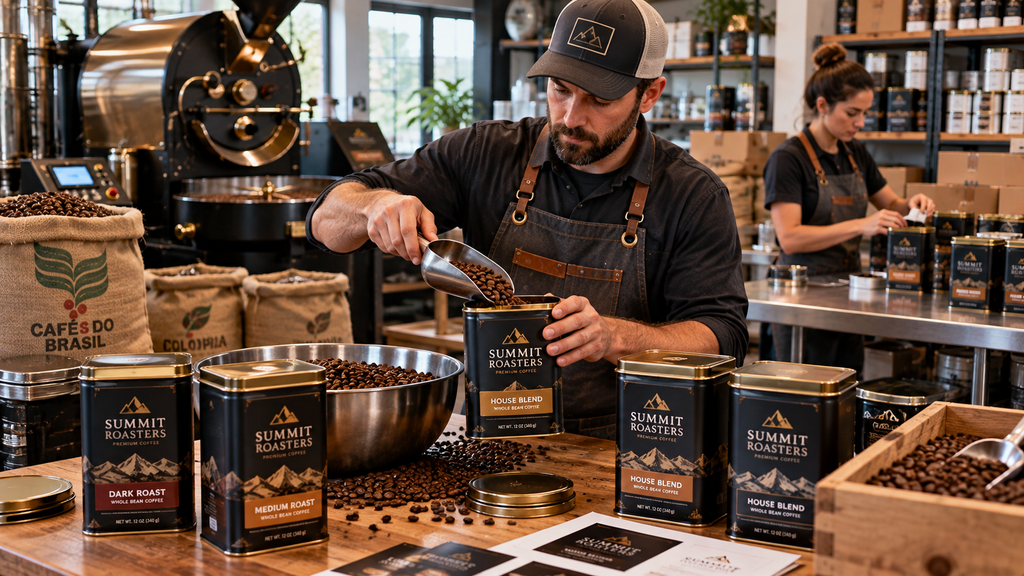
A coffee tin box is a metal container designed to package, store, or present coffee products.
Depending on the design, it may be used for whole coffee beans, ground coffee, gift sets, or other dry coffee-related products.
Coffee tins are commonly manufactured from tinplate or other metal materials. Kaisi’s food-grade tin products, for example, specify tinplate thicknesses ranging from 0.21 mm to 0.28 mm for certain models.
The design can vary significantly. Some coffee tins are round, while others are rectangular or custom-shaped. Closures may include fitted lids, double lids, hinged lids, or other configurations depending on the intended use.
The important point is that not every metal tin has the same performance characteristics. The material, interior coating, lid design, and intended contents all matter.
Why Coffee Brands Use Metal Coffee Packaging
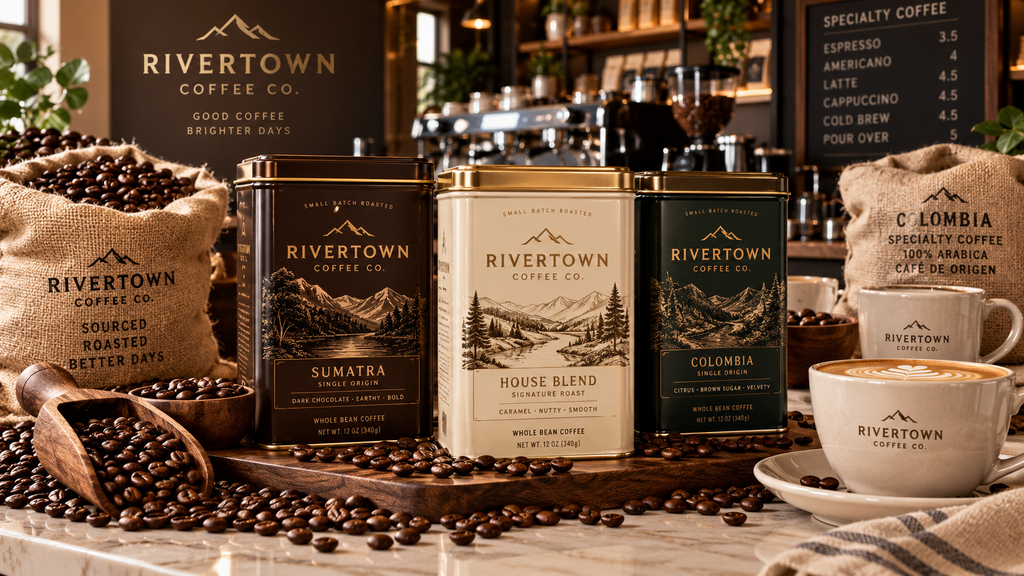
Coffee is a product where freshness, aroma, and presentation matter. Packaging therefore needs to perform both a functional and marketing role.
Protection From External Conditions
Coffee can be affected by environmental conditions such as moisture, oxygen, heat, light, and strong surrounding odors.
A properly designed package can help create a protective barrier between the coffee and its environment.
Kaisi describes its custom tea and coffee packaging as being designed to provide protection and highlights features such as superior protection, depending on the packaging design.
However, businesses should not automatically assume that every coffee tin is completely airtight. Kaisi itself notes that closure design matters and that standard decorative tins should not automatically be treated as airtight without appropriate testing or validation.
Strong Shelf Presence
Packaging is often the first physical interaction a customer has with a coffee brand.
A distinctive coffee tin can stand out on a retail shelf, café counter, kitchen cabinet, or online product photograph.
Custom printing allows brands to create packaging that reflects their identity rather than relying on generic containers.
Coffee Tin Box vs. Traditional Coffee Bags
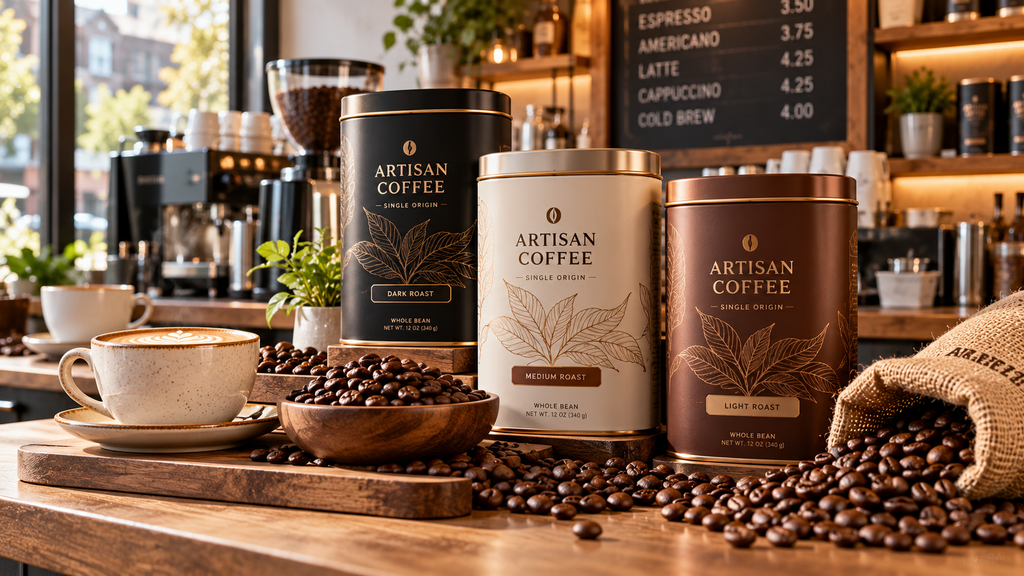
Coffee bags remain extremely popular because they are lightweight and can be produced in many formats. A metal coffee tin, however, provides a different type of customer experience.
Advantages of Coffee Tins
A quality coffee tin can offer:
- A rigid and durable structure
- Premium visual presentation
- Reusable packaging
- Custom printing opportunities
- Strong shelf presence
- A practical secondary use after the coffee is gone
Advantages of Coffee Bags
Coffee bags may offer:
- Lower shipping weight
- Flexible packaging
- Convenient storage
- Different barrier structures
- Easy customization
The right choice depends on the brand’s product, distribution model, target customer, shipping requirements, and packaging goals.
Some coffee companies may also combine formats, using bags for standard products and tins for premium editions, gift sets, limited releases, or subscription products.
Choosing the Right Coffee Tin Box
Not every coffee brand needs the same container.
Before placing a bulk order, consider the following factors.
Size and Capacity
Start with the amount of coffee you want each container to hold.
A small coffee tin may be suitable for sample packs, gift sets, or specialty blends, while a larger container may be better for standard retail quantities.
The internal dimensions should also account for the actual packaging process rather than simply the desired external appearance.
Shape
Round tins are classic and work particularly well for traditional coffee branding.
Rectangular tins can provide a more modern appearance and may make efficient use of certain shelf spaces.
Kaisi’s current coffee and tea packaging range includes round coffee tins, rectangular coffee tins, and coffee bean tins with screw-lid designs.
Lid and Closure
The closure is one of the most important functional components.
Depending on the design, you may find:
- Slip lids
- Double lids
- Hinged lids
- Screw lids
- Other specialty closures
If preserving freshness is a major requirement, ask the manufacturer specifically about the closure performance and whether the complete packaging system has been tested for the intended application.
Do not rely solely on marketing terms such as “airtight” without understanding what the claim means for your specific product.
Food-Grade Considerations for Coffee Packaging
For businesses selling coffee in the USA, food-contact suitability should be part of the packaging discussion.
The U.S. Food and Drug Administration regulates substances that come into contact with food, including materials used in food packaging and containers. The regulatory status depends on the individual substances and their intended conditions of use.
That means a business should not simply ask whether a container is “metal.” It should also ask about the complete food-contact system, including coatings, inks, interior finishes, adhesives, and other relevant components.
FDA guidance explains that food-contact materials need to comply with applicable authorizations, which can include regulations in Title 21 of the Code of Federal Regulations, effective food-contact substance notifications, or other recognized regulatory pathways.
Questions to Ask Your Supplier
For coffee packaging intended for the US market, consider asking the manufacturer for:
- Material specifications
- Interior coating information
- Food-contact documentation
- Intended-use conditions
- Applicable testing or compliance documentation
- Information about printing inks and coatings
Kaisi states on its website that certain tin products are offered as food-grade options and displays FDA-SGS and EC-SGS certification information.
Businesses should still verify that the specific product, materials, coatings, and intended use are appropriate for their own application.
Custom Coffee Tin Box for Branding
One of the biggest advantages of metal coffee packaging is the opportunity for customization.
A plain container can protect the coffee, but custom packaging can also communicate the story behind the brand.
Kaisi offers custom logo and printing options and lists several printing approaches, including UV printing, sticker printing, screen or silk printing, and CMYK printing for particular tin products.
Use Your Brand Colors
Consistent colors can make packaging immediately recognizable.
For example, a specialty coffee company might use earthy brown and cream tones to emphasize an artisanal identity, while a modern urban roaster could choose black, white, and bold accent colors.
Add Your Logo Prominently
Your logo should remain recognizable without overwhelming the rest of the packaging.
Consider placing it on the lid, front panel, or another highly visible area depending on the tin’s shape.
Tell the Coffee’s Story
A coffee tin can include more than a logo.
Consider adding:
- Coffee origin
- Roast level
- Tasting notes
- Roast date
- Brewing recommendations
- Brand story
- Product name
The exact information required on a coffee package depends on the product and applicable labeling requirements, so brands should verify their labeling obligations before production.
Using Coffee Tins for Specialty Coffee
The specialty coffee market provides an excellent opportunity for premium packaging.
Consumers who purchase single-origin coffee, limited roasts, seasonal blends, or small-batch products may appreciate packaging that reflects the quality and uniqueness of the product.
Limited-Edition Coffee Tins
A coffee brand can create special packaging for:
- Holiday releases
- Seasonal blends
- Anniversary collections
- Single-origin launches
- Collaboration products
- Gift editions
Because the tin itself can be reused, limited-edition packaging may continue to remind customers of the brand after the coffee has been consumed.
Kaisi’s current coffee tin range includes designs inspired by coffee cultures and regions such as the United States, Italy, Sicily, and Tuscany, as well as seasonal Christmas designs.
Coffee Tin Boxes for Gift Sets
Coffee and gifting naturally work together.
A premium coffee tin can become the centerpiece of a gift box containing items such as:
- Whole coffee beans
- Ground coffee
- A coffee scoop
- Ceramic cups
- Chocolate
- Biscuits
- Brewing accessories
For corporate gifting, the tin can also carry company branding while containing a premium coffee blend.
This creates a product that feels more substantial than a standard disposable coffee package.
Reusable Coffee Storage
One of the interesting advantages of a durable coffee tin is what happens after the original product is finished.
Customers can reuse a tin for:
- Additional coffee
- Tea
- Sugar
- Spices
- Cookies
- Small kitchen items
- Craft supplies
- Office accessories
Kaisi also highlights reuse possibilities for empty coffee tins, including general storage, art supplies, plant holders, candle holders, and other creative applications.
This can extend the useful life of the packaging and create additional exposure for the original brand.
Designing a Coffee Tin for the US Market
When designing packaging for American consumers, think about clarity as well as aesthetics.
The front of the package should communicate the product quickly.
A customer should be able to identify:
What the Product Is
Make “Coffee” or the specific coffee product immediately recognizable.
What Makes It Special
Highlight relevant differentiators such as origin, roast profile, blend name, or small-batch positioning.
Who Makes It
Your brand name and logo should be easy to identify.
How Much It Contains
Use appropriate net quantity information and ensure the final label meets applicable requirements for your market.
The best packaging design balances visual impact with useful information.
Ordering Custom Coffee Tin Boxes in Bulk
If you are ordering custom tins for a coffee business, planning ahead can make the process smoother.
Start by defining:
- Tin dimensions
- Desired capacity
- Quantity
- Shape
- Lid style
- Material requirements
- Interior coating
- Printing method
- Artwork
- Packaging requirements
- Shipping destination
Kaisi states that its plain tin boxes may be available from stock, while custom printing is generally listed with a 15–30-day delivery period on certain products. Its website also provides different minimum-order information depending on the product and customization level.
Because lead times and minimum quantities can change by product, confirm the current quotation and production schedule directly with the supplier before placing an order.
Frequently Asked Questions About Coffee Tin Boxes
What is a coffee tin box used for?
A coffee tin box is used to package, present, and store coffee products such as whole beans or ground coffee. Depending on its design and closure, it can provide protection from environmental factors and offer a reusable storage solution.
Are coffee tin boxes airtight?
Not necessarily. Some coffee tins are designed with closures intended to provide an airtight or highly protective seal, while others are primarily decorative or storage containers. Always verify the specific closure and testing information with the manufacturer.
Can I customize a coffee tin box with my logo?
Yes. Custom coffee tins can be produced with logos, artwork, brand colors, and other printed elements. Kaisi lists multiple printing and customization methods for its tin products.
Are metal coffee tins suitable for food packaging?
Certain metal tins are manufactured specifically for food-contact applications. However, suitability depends on the complete packaging system and intended use. In the USA, food-contact materials must comply with applicable FDA requirements.
Can coffee tins be reused?
Yes. Durable tins can potentially be reused for coffee, tea, spices, cookies, craft supplies, and other household storage, provided the container remains suitable and clean for its intended use.
What size coffee tin should I choose?
The appropriate size depends on the amount of coffee being packaged, the product format, storage requirements, and desired presentation. Ask your packaging supplier for internal dimensions and recommended capacity rather than choosing solely by external size.
Are coffee tins recyclable?
Metal packaging can be recyclable, but actual recycling availability depends on local facilities and the specific material and components used. Kaisi describes some of its tin packaging as 100% recyclable; businesses should confirm the exact material composition of their chosen product.
Conclusion: Why a Coffee Tin Box Can Strengthen Your Coffee Brand
A coffee tin box can do much more than hold coffee. For a growing coffee brand, it can combine product protection, premium presentation, reusable functionality, and valuable branding space in one package.
For specialty roasters and coffee companies in the USA, the right tin can help a product stand out on a retail shelf, create a memorable unboxing experience, and give customers packaging they may continue using after the original coffee is gone.
The most important step is choosing the right structure for the actual product. Consider the size, shape, closure, material, interior coating, printing method, food-contact requirements, and shipping needs before placing a large order.
Custom printing can then turn the container into an extension of your brand. A thoughtful design can communicate the coffee’s origin, roast style, story, and identity while creating a premium visual experience.
Whether you are launching a specialty coffee line, creating a limited-edition roast, preparing corporate gift sets, or developing a retail packaging program, a well-designed metal coffee container can give your product a distinctive presence.
The key is to treat packaging as part of the product experience—not simply as something that holds the coffee. When functionality, food-contact suitability, durability, branding, and design are considered together, a custom coffee tin can become a practical packaging solution and a lasting part of your brand identity.

