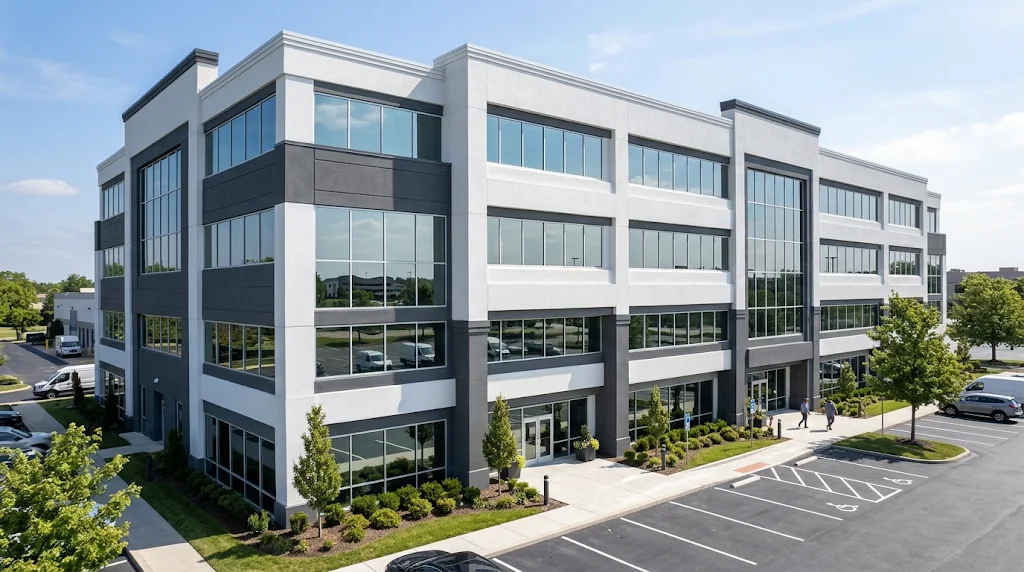
A commercial building is often the first thing customers notice when visiting a business. Whether it is an office, retail store, restaurant, warehouse, hotel, or apartment complex, the property’s appearance can influence how people perceive the company operating inside. Faded paint, peeling surfaces, and outdated colors may create an impression of poor maintenance, while a clean and professionally painted building can communicate quality, reliability, and attention to detail.
This is why commercial painting is an important investment for business owners and property managers. Beyond improving visual appeal, professional painting helps protect building surfaces from weather exposure, moisture, everyday wear, and environmental damage.
However, achieving a durable finish requires more than selecting attractive colors and applying a fresh coat of paint. Proper surface preparation, suitable materials, experienced painters, and effective project management all contribute to successful results.
Whether you manage a small retail property or a large commercial facility, understanding professional painting services can help you make informed decisions and maintain your investment.
What Is Commercial Painting?
Commercial painting involves painting and protecting buildings and facilities used for business, professional, institutional, and other nonresidential purposes.
Unlike many residential painting projects, commercial work often involves larger surfaces, different building materials, specialized equipment, and more complicated scheduling requirements.
Professional commercial painters work with property owners, facility managers, business operators, and construction companies to complete projects according to specific requirements.
Common commercial painting projects include:
- Office buildings and corporate facilities
- Retail stores and shopping centers
- Restaurants and hospitality properties
- Hotels and entertainment venues
- Warehouses and distribution centers
- Schools and educational institutions
- Healthcare facilities
- Apartment complexes and condominiums
- Industrial and manufacturing buildings
Depending on the project, services may include interior painting, exterior painting, power washing, waterproofing, surface repairs, and specialized protective coatings.
The main objective is to create attractive, functional, and properly protected surfaces that support the property’s long-term maintenance needs.
Why Is Commercial Painting Important for Business Properties?
Maintaining a commercial property requires regular attention to its appearance and physical condition. Professional painting can contribute to both objectives.
1. Improve Your Building’s Appearance
The exterior of a commercial building represents an important part of its overall presentation.
Faded colors, peeling paint, and visible stains can make an otherwise attractive property look neglected. A professional painting project can refresh the appearance and create a cleaner, more welcoming environment.
For retail businesses, restaurants, and hotels, an attractive exterior can help create a positive first impression.
Inside the building, fresh paint can also make offices, reception areas, hallways, and customer-facing spaces feel more professional.
2. Protect Exterior Surfaces From Weather
Commercial buildings are regularly exposed to sunlight, rain, humidity, wind, and changing temperatures.
These environmental conditions can gradually damage painted surfaces. Protective exterior coatings help reduce direct exposure and preserve the underlying materials.
Depending on the building’s construction, suitable paint systems can help protect wood, masonry, concrete, metal, and other exterior surfaces.
However, paint cannot replace necessary structural repairs or waterproofing work. Any existing moisture problems should be addressed before applying new coatings.
3. Strengthen Your Brand Identity
Color selection plays an important role in commercial property design.
Businesses can use exterior and interior color schemes to reinforce their branding and create a consistent appearance across different locations.
For example, a professional office may prefer neutral shades, while a retail business may use stronger brand colors to improve visibility.
A coordinated color scheme can help customers recognize a business and create a more consistent visual identity.
4. Reduce Long-Term Maintenance Problems
Ignoring deteriorating paint can allow minor surface issues to become more expensive maintenance concerns.
Peeling coatings, exposed materials, and deteriorating sealants may indicate that a building requires attention.
Regular inspections and timely repainting help property owners identify problems earlier and plan maintenance more effectively.
Different Types of Commercial Painting Services
Commercial painting projects vary depending on the building’s purpose, surface materials, and maintenance requirements.
Understanding the available services can help you identify the right solution for your property.
Commercial Exterior Painting
Commercial exterior painting focuses on protecting and improving the visible surfaces of business properties.
These projects may include exterior walls, building facades, doors, trim, metal structures, and other exposed surfaces.
Professional painters begin by examining the existing coatings and identifying areas that require cleaning, repairs, or additional preparation.
The appropriate paint or coating is selected according to the surface material and environmental conditions.
Exterior painting is particularly important for retail buildings, offices, hotels, warehouses, and apartment complexes because these properties experience regular environmental exposure.
Commercial Interior Painting
Interior painting helps maintain attractive and functional business environments.
Common applications include office walls, ceilings, hallways, reception areas, meeting rooms, retail spaces, and hospitality interiors.
Commercial interior projects may require low-odor or low-VOC products, particularly in occupied buildings where minimizing disruption is important.
Professional painters can also help businesses select finishes that suit the intended use of each space.
For example, frequently touched walls and busy corridors may benefit from durable, washable finishes.
Commercial Office Painting
Office environments should support productivity while creating a professional atmosphere for employees and visitors.
A fresh paint scheme can help modernize outdated interiors and create a more comfortable working environment.
Neutral colors are frequently used in professional spaces because they provide flexibility when arranging furniture and decorative elements.
Accent walls can also introduce visual interest without making the entire office feel overly colorful.
Warehouse and Industrial Facility Painting
Warehouses and industrial facilities often require specialized painting solutions.
Large interior surfaces, structural steel, concrete walls, loading areas, and other exposed materials may require suitable protective coatings.
Projects involving industrial equipment or production environments may also require additional safety planning and careful scheduling.
The selected products should be appropriate for the specific operating conditions and surface requirements.
Commercial Roof Painting and Protective Coatings
Some commercial properties require specialized roof coatings to help maintain roof surfaces.
Depending on the roofing system and product specifications, suitable coatings may help protect against environmental exposure and support maintenance objectives.
Before applying any roof coating, contractors should inspect the existing roof and determine whether repairs or replacement are necessary.
The Importance of Surface Preparation Before Painting
One of the most important stages of a successful commercial painting project happens before the paint is applied.
Even premium paint products may fail prematurely if the underlying surface is dirty, damaged, or unsuitable.
Professional contractors typically follow several preparation steps.
Cleaning and Power Washing
Exterior surfaces accumulate dirt, dust, pollution, mildew, and other contaminants.
Cleaning helps remove these materials and creates a better surface for subsequent preparation.
Power washing may be appropriate for certain materials, but pressure and technique must be selected carefully to avoid damaging the building.
Repairing Damaged Areas
Cracks, loose coatings, damaged trim, and deteriorated surfaces should be assessed before painting.
Depending on the material, repairs may involve patching, sanding, caulking, replacing damaged components, or other corrective work.
Scraping and Sanding
Loose or peeling paint should be removed where necessary.
Sanding can help smooth rough areas and prepare suitable surfaces for primer and paint application.
Older buildings may require additional precautions because existing coatings could contain hazardous materials such as lead.
Applying the Correct Primer
Primer helps create a suitable foundation for the finish coat.
Different surfaces may require different primers, including products designed for masonry, wood, metal, or previously painted materials.
Selecting the appropriate primer improves compatibility and can contribute to better adhesion and durability.
How to Choose the Right Paint for Commercial Buildings
Choosing the correct paint depends on the surface, location, environmental exposure, and intended performance.
Acrylic Exterior Paint
Acrylic paint is commonly used for exterior applications because suitable formulations provide flexibility, color retention, and resistance to weather exposure.
It can be appropriate for materials such as masonry and previously painted exterior surfaces when the product is compatible with the substrate.
Elastomeric Coatings
Elastomeric coatings are designed to create flexible protective films on suitable surfaces.
They may be considered for certain masonry and concrete applications where the product specifications match the building’s requirements.
Proper surface preparation and moisture assessment remain essential.
Metal Protective Coatings
Metal surfaces may require specialized primers and coatings to improve adhesion and help protect against corrosion.
The correct system depends on the metal type, existing condition, and environmental exposure.
Low-VOC Interior Paint
Low-VOC products can be useful for occupied commercial environments where businesses want to reduce certain paint-related emissions.
They may be particularly suitable for offices, schools, healthcare environments, and retail interiors.
Always review product specifications to ensure the selected coating meets the project’s performance and environmental requirements.
How to Plan a Successful Commercial Painting Project
A well-planned project helps control expenses, reduce operational disruption, and improve the final results.
Step 1: Evaluate Your Building
Begin by inspecting the property and identifying the surfaces that need attention.
Consider the building’s age, existing paint condition, surface materials, and any visible signs of moisture or deterioration.
Step 2: Establish a Project Budget
Determine how much you can allocate to the project.
Your budget should consider labor, materials, preparation, equipment, repairs, and any additional services.
Requesting detailed estimates from multiple contractors can help you understand the available options.
Step 3: Select Colors and Finishes
Choose colors that complement the building’s architecture and business identity.
Consider the surrounding environment, existing branding, lighting conditions, and any property management or local design requirements.
Step 4: Schedule the Work
Commercial properties often need to remain operational during painting projects.
Discuss scheduling options with your contractor to minimize disruption.
Exterior work should also be planned around suitable weather conditions, while interior projects may require after-hours or phased scheduling.
Step 5: Inspect the Completed Project
After painting is finished, review the surfaces, edges, coverage, and cleanup.
Confirm that the agreed scope of work has been completed and that any identified issues have been addressed.
How to Choose a Professional Commercial Painting Contractor
Selecting an experienced contractor is one of the most important decisions in a commercial painting project.
Here are some factors to consider before hiring a painting company.
Relevant Experience: Look for contractors who have completed projects similar to yours, particularly when dealing with large buildings or specialized coatings.
Insurance and Licensing: Verify appropriate insurance coverage and any licenses required by your state or local jurisdiction.
Previous Projects: Review photographs and examples of completed commercial painting work.
Detailed Estimates: Request written proposals explaining preparation, materials, labor, project scope, and expected timelines.
Safety Procedures: Ask about worker protection, equipment, site access, and procedures for occupied buildings.
Communication: Choose a contractor who provides clear updates and responds to questions throughout the project.
A reliable painting contractor should be able to explain the proposed work and help you understand what is required to achieve the expected results.
What Makes GetPro Painting Worth Considering?
GetPro Painting is a professional painting company based in Livonia, Michigan, serving commercial, residential, and industrial clients throughout Southeast Michigan.
The company has experience with commercial exterior painting projects involving retail properties, offices, warehouses, condominiums, hotels, and other business facilities.
Its commercial painting services include exterior and interior painting, wall and ceiling painting, roof coatings, power washing, waterproofing, and specialized surface coatings.
GetPro Painting emphasizes surface preparation, professional equipment, quality materials, project communication, and detailed project planning.
Its experience with different commercial property types makes it a company worth researching for businesses and property managers in its service area.
Before selecting any contractor, confirm the company’s current service coverage, insurance, project availability, and suitability for your specific property requirements.
How Often Should a Commercial Building Be Repainted?
There is no single repainting schedule suitable for every commercial building.
The required maintenance interval depends on several factors, including:
- Type and quality of the existing coating
- Building materials and surface condition
- Local weather and environmental exposure
- Amount of direct sunlight
- Previous surface preparation
- Building maintenance practices
Properties exposed to harsh weather or heavy environmental pollution may require more frequent attention.
Rather than relying entirely on a fixed schedule, property owners should inspect their buildings regularly and arrange professional assessments when signs of deterioration appear.
Frequently Asked Questions
1. What is commercial painting?
Commercial painting involves painting and protecting business properties, including offices, retail stores, warehouses, hotels, schools, and apartment buildings. Services may include interior painting, exterior painting, preparation, and protective coatings.
2. Why is commercial exterior painting important?
Exterior painting improves a building’s appearance and helps protect suitable surfaces from environmental exposure, moisture, and general deterioration.
3. How much does commercial painting cost?
Costs depend on building size, surface condition, accessibility, materials, labor, equipment, and project complexity. A professional inspection and written estimate provide a more reliable cost assessment.
4. How long does a commercial painting project take?
The timeline depends on the property’s size, preparation requirements, weather conditions, and project scope. Smaller projects may take several days, while large commercial buildings can require several weeks or longer.
5. Can commercial painting be completed while a business remains open?
Yes. Many contractors can arrange phased work, after-hours scheduling, and restricted work zones to reduce disruption. The appropriate approach depends on the building and the type of painting involved.
6. What is the best paint for commercial exterior buildings?
The best product depends on the surface material and environmental conditions. Suitable acrylic paints and specialized protective coatings are common options for different exterior applications.
7. What is the difference between commercial and industrial painting?
Commercial painting generally focuses on business properties, appearance, and everyday surface protection. Industrial painting often involves specialized coatings designed for demanding environments, equipment, machinery, and heavy-duty facilities.
8. How can I maintain commercial exterior paint?
Inspect exterior surfaces regularly, clean accumulated dirt, repair damaged areas, and address peeling or fading before deterioration becomes more extensive.
Conclusion
Maintaining a commercial property requires attention to both appearance and long-term protection. Professional commercial painting helps businesses create attractive environments, strengthen their visual identity, and protect suitable building surfaces from everyday environmental exposure.
From office interiors and retail storefronts to warehouses and large exterior structures, the right painting approach depends on careful planning, quality materials, proper preparation, and experienced workmanship.
By understanding the available services, evaluating contractors, and establishing a practical maintenance schedule, property owners can make better decisions about their painting investments.
Whether you are refreshing an existing business location or maintaining a large commercial facility, professional painting can help preserve your property’s appearance, functionality, and overall value.