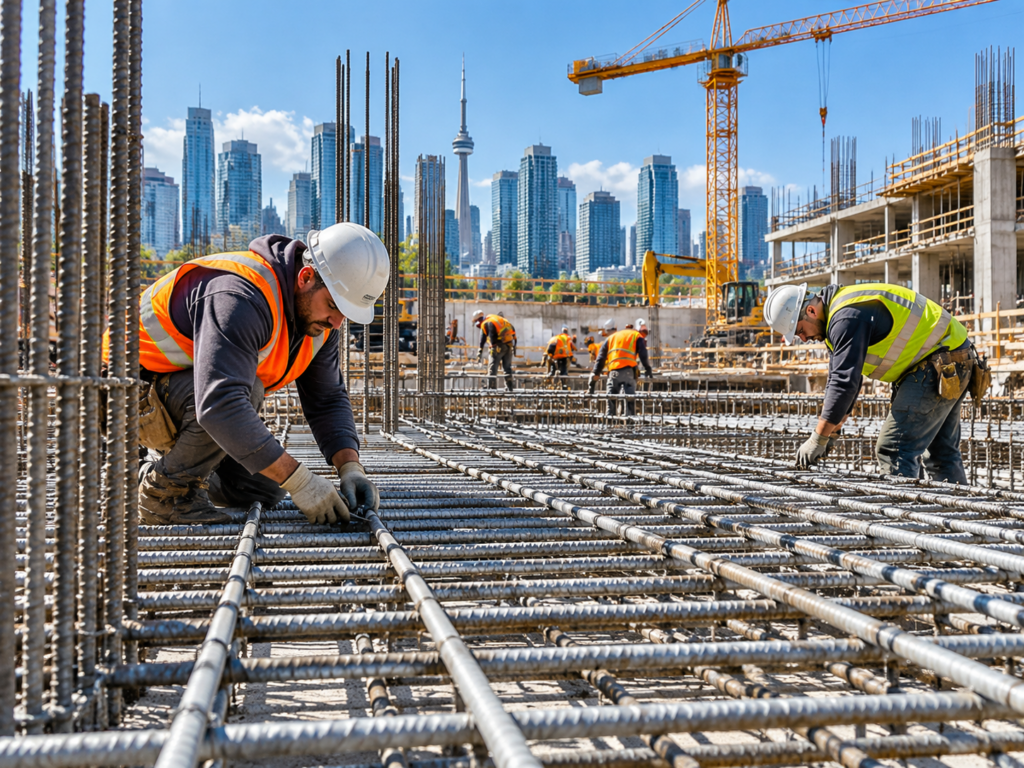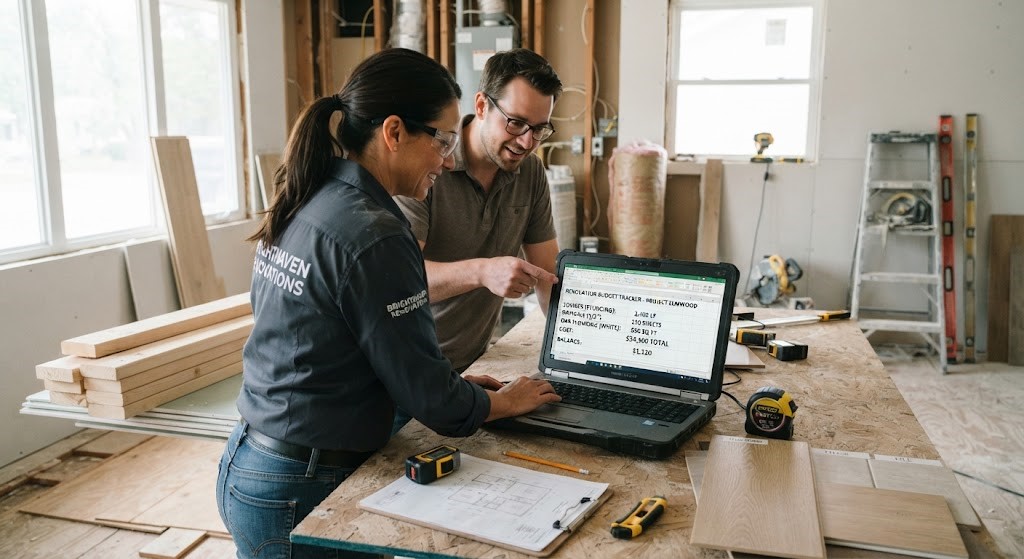
Planning a home improvement project often begins with an exciting idea. Maybe you want to build a deck, install new flooring, replace drywall, add landscaping, pour a concrete patio, or improve your driveway.
Then comes the difficult question: how much material do you actually need?
Buying too little can interrupt the project and force another trip to the supplier. Buying too much wastes money and may leave you with materials that are difficult to return or reuse.
This is where a free online calculator for estimating material costs can make project planning much easier.
Instead of relying on rough guesses, homeowners, DIYers, landscapers, and contractors can enter project measurements and receive practical estimates for quantities, coverage, waste, and, in many cases, expected material costs.
Home Project Calculator provides more than 60 free construction and material calculators for projects involving concrete, asphalt, gravel, roofing, lumber, flooring, drywall, landscaping, fencing, and other categories. The tools use project measurements and construction formulas to turn dimensions into useful outputs such as cubic yards, tons, sheets, bags, or truckloads.
Understanding how these tools work can help you create a more realistic project budget before you begin spending money.
Why Material Cost Estimation Matters
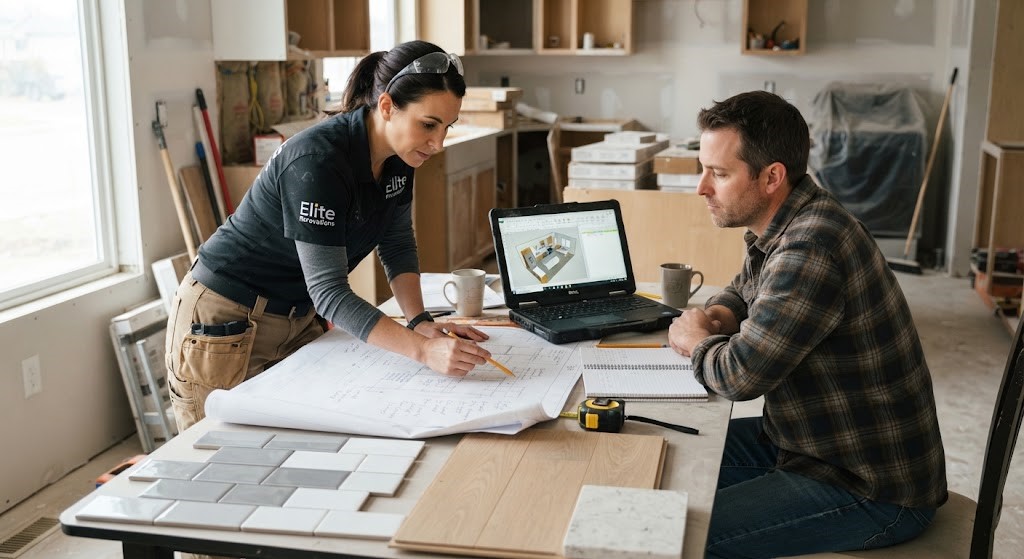
Material expenses can represent a significant portion of a home improvement budget.
Even small calculation errors can become expensive when you are working with large areas or costly materials.
Imagine ordering flooring for a 1,200-square-foot area without accounting for cuts and waste. Or ordering gravel based only on square footage without considering the required depth.
Accurate planning gives you a clearer picture of the project before construction begins.
Avoid Buying Too Much Material
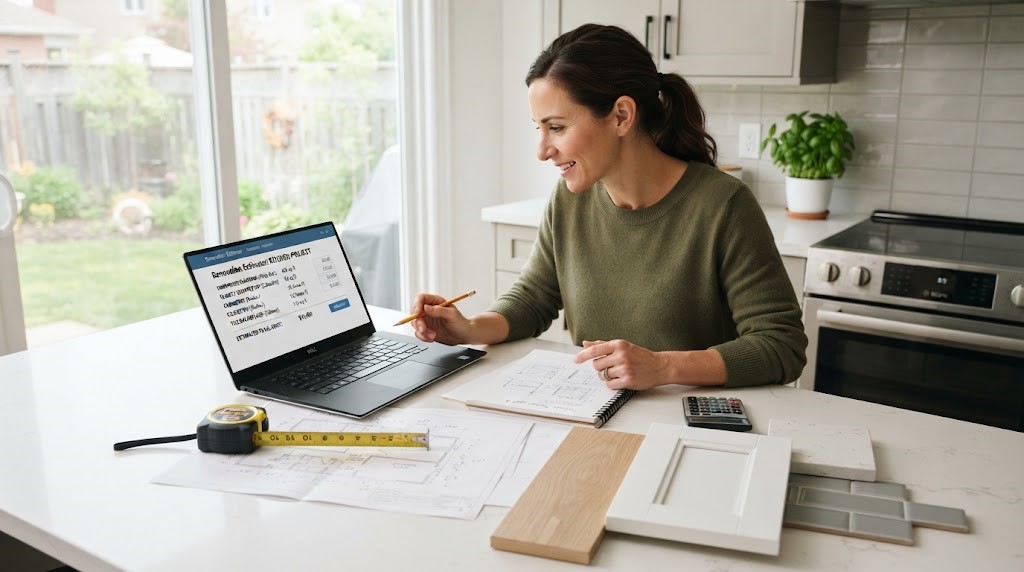
Over-ordering is one of the easiest ways to increase project costs.
A few extra bags of concrete may not seem significant, but excessive quantities of gravel, lumber, roofing materials, flooring, or pavers can represent hundreds or even thousands of dollars.
A reliable material calculator helps you estimate what the project actually requires.
Avoid Running Out During the Project
Under-ordering creates a different problem.
If you run out halfway through the job, you may need another delivery, another rental period, or another visit to the store.
There is also a chance that matching materials may become unavailable.
For products such as flooring, tile, shingles, or decorative stone, buying the required quantity at the beginning can help maintain consistency.
Build a More Realistic Budget
Material quantity and project cost are closely connected.
Once you know approximately how many cubic yards, sheets, boards, boxes, or bags are required, you can compare supplier prices and create a more accurate budget.
That makes a free online calculator for estimating material costs especially useful during the early planning stage.
How an Online Material Calculator Works
Most material calculators start with basic measurements.
Depending on the project, you may enter:
- Length
- Width
- Height
- Depth
- Area
- Material type
- Thickness
- Waste percentage
- Unit price
The calculator then applies an appropriate formula to estimate how much material is needed.
Home Project Calculator standardizes measurements into consistent units before applying formulas for area, volume, weight, coverage, and material quantities. Its tools can also incorporate practical variables such as waste, compaction, thickness, and unit conversions.
Area-Based Calculations
Projects such as flooring, painting, roofing, tile, and drywall are often calculated primarily by surface area.
For example:
Length × Width = Area
Once the area is known, the calculator can determine how many boxes, sheets, gallons, or other units are required.
Volume-Based Calculations
Concrete, gravel, sand, mulch, topsoil, and similar bulk materials require depth as well as length and width.
The general formula becomes:
Length × Width × Depth = Volume
That volume can then be converted into cubic yards, cubic feet, tons, bags, or truckloads.
Waste Factors
Real-world construction rarely uses exactly the theoretical amount of material.
Cuts, broken pieces, irregular edges, spills, and measurement variations create waste.
That is why many useful calculators include a waste or overage percentage.
Projects You Can Estimate With an Online Calculator
One major advantage of a home project calculator is versatility.
You can use different tools for different stages of a renovation instead of calculating everything manually.
Concrete Projects
Concrete calculations can become confusing because project measurements may be entered in feet and inches while concrete is often ordered by cubic yard.
A concrete calculator can help estimate material for:
- Patios
- Sidewalks
- Driveways
- Slabs
- Footings
- Pads
- Posts
Home Project Calculator currently includes tools for concrete slabs, concrete costs, concrete bags, footings, rebar, and brick planning.
Why Concrete Estimates Matter
Ordering too little concrete during a pour can create serious problems because the project may need to be completed continuously.
Ordering far too much wastes money.
Accurate measurements are therefore especially important for concrete projects.
Gravel, Stone, and Landscaping Projects
Landscaping projects often require materials sold by weight or volume.
A gravel calculator can help estimate materials for:
- Driveways
- Garden paths
- Drainage areas
- Landscape beds
- Paver bases
- Decorative stone areas
Home Project Calculator’s aggregate tools can convert project dimensions into volume and weight while also considering density, compaction, and waste.
This makes the estimate more useful than simply calculating surface area.
Flooring and Tile Projects
Flooring projects usually begin with room dimensions.
However, homeowners also need to consider material packaging and waste.
A flooring cost calculator can help estimate:
- Total floor area
- Number of boxes
- Underlayment
- Waste allowance
- Approximate material cost
- Installation expenses
Tile projects may also require estimates for adhesive and grout.
Having these quantities before visiting a store makes price comparison much easier.
Drywall Projects
Drywall requires more than just sheets.
A complete project may involve:
- Drywall panels
- Screws
- Joint tape
- Joint compound
- Corner materials
Home Project Calculator offers drywall quantity and cost tools designed to estimate sheets, joint compound, fasteners, and related project requirements.
This type of calculation can be particularly helpful when finishing basements, remodeling bedrooms, or repairing larger interior areas.
Roofing Projects
Roofing estimates can be more complicated because roof pitch affects the actual surface area.
Useful roofing calculators can estimate:
- Roof square footage
- Roofing squares
- Shingle bundles
- Waste
- Roof pitch
- Truss requirements
Before purchasing roofing materials, accurate measurements and proper safety planning are essential.
Lumber and Deck Projects
Building a deck or framing a wall requires calculations involving spacing, board dimensions, joists, posts, and waste.
Home Project Calculator includes tools for lumber, board feet, studs, decks, stairs, plywood, and deck costs.
These calculations can help turn a rough project idea into a practical shopping list.
Paint and Interior Improvements
Even relatively simple interior projects can benefit from estimation tools.
Paint calculators can help determine how much paint is needed based on room size and number of coats.
Other tools can estimate materials for:
- Wallpaper
- Curtains
- Laminate flooring
- Tile
- Insulation
- Recessed lighting layouts
Knowing quantities before shopping makes it easier to compare brands and prices.
How a Material Cost Calculator Can Save Money
Using a free online calculator for estimating material costs does not automatically make a project inexpensive, but it can help eliminate avoidable spending.
Better Supplier Comparisons
Once you know the estimated quantity, you can request comparable quotes from different suppliers.
For example, if you know you need approximately five tons of gravel, you can compare:
- Cost per ton
- Delivery charges
- Minimum order requirements
- Bulk pricing
Without a quantity estimate, comparing prices is much harder.
Fewer Unnecessary Purchases
A clear material list helps prevent impulse purchasing.
Instead of walking through a home improvement store trying to remember what you need, you can arrive with calculated quantities.
Better DIY vs. Contractor Decisions
Material estimates can also help you decide whether a project makes sense as a DIY job.
If materials, tool rentals, delivery, and disposal expenses become substantial, hiring a professional may sometimes offer better overall value.
A cost estimate allows you to compare options before committing.
How to Get More Accurate Results
Even the best calculator depends on the information you enter.
A calculation based on incorrect measurements will produce an incorrect estimate.
Measure Carefully
Measure each dimension at least twice.
For irregular spaces, divide the area into smaller rectangles or sections, calculate them separately, and combine the results.
Use the Correct Depth
Depth is especially important for concrete, gravel, mulch, soil, and excavation.
Small differences in depth can significantly change the total volume across a large area.
Include Reasonable Waste
Do not automatically assume zero waste.
Tile cuts, lumber trimming, flooring patterns, spills, broken materials, and irregular boundaries can increase the required quantity.
Confirm Material Specifications
Two materials that look similar may have different coverage, density, or packaging.
For example, gravel weight can vary depending on the stone type and density.
Check your supplier’s specifications before placing the final order.
Online Estimates vs. Professional Quotes
A material calculator is an excellent planning tool, but it should not be confused with a guaranteed contractor quote.
Online calculators help you create an informed estimate.
A professional quote may also include:
- Labor
- Equipment
- Permits
- Delivery
- Disposal
- Site preparation
- Taxes
- Contractor overhead
- Unexpected site conditions
For straightforward DIY projects, an online calculator may provide much of the information you need to begin planning.
For structural, electrical, roofing, excavation, or other higher-risk work, professional advice may still be necessary.
Why Free Online Calculators Are Useful for Homeowners
In the past, estimating construction materials often required manual formulas, contractor reference books, or repeated conversations with suppliers.
Online tools make the process much more accessible.
Home Project Calculator currently organizes its tools into categories including concrete, asphalt and paving, aggregates and landscaping, roofing, lumber and framing, interiors, fencing and outdoor structures, coatings and resins, and home systems.
The website also explains the assumptions behind its formulas rather than presenting calculations as unexplained results.
That transparency can help users understand why an estimate changes when they adjust depth, waste percentage, compaction, or another input.
Frequently Asked Questions
What is a material cost calculator?
A material cost calculator is an online tool that uses project dimensions, material quantities, unit prices, and other variables to estimate how much material a project may require and what it may cost.
Is there a free online calculator for estimating material costs?
Yes. Home Project Calculator provides free tools covering more than 60 construction and home improvement calculations, including concrete, gravel, drywall, roofing, flooring, lumber, landscaping, and other project categories.
Can I calculate both material quantity and cost?
Yes, depending on the calculator. Some tools focus on quantities, while dedicated cost calculators estimate material and, in certain cases, installation-related costs.
How accurate are construction material calculators?
Accuracy depends heavily on correct measurements and appropriate assumptions. Waste, compaction, thickness, material density, package sizes, and local pricing can all affect real-world results.
Can I use a calculator for a DIY project?
Yes. Material calculators are particularly useful for DIY planning because they help convert measurements into practical quantities such as bags, sheets, boxes, tons, or cubic yards.
Should I add extra material for waste?
Usually, yes. Many projects create waste through cuts, breakage, spills, irregular shapes, or installation errors. The appropriate amount varies by project and material.
Can a calculator tell me exactly what my project will cost?
It can provide a useful estimate, but final costs may vary based on local prices, delivery, labor, permits, taxes, equipment rentals, and site conditions.
What types of projects can Home Project Calculator estimate?
The site includes calculators for concrete, asphalt, gravel, sand, stone, roofing, drywall, tile, paint, flooring, decks, lumber, fencing, retaining walls, insulation, excavation, landscaping, and many other common home projects.
Conclusion
Successful home improvement starts long before the first board is cut, tile is installed, or concrete is poured.
Good planning helps you understand how much material the job requires, how much it may cost, and where unexpected expenses might appear.
Using a free online calculator for estimating material costs gives homeowners and DIYers a practical way to replace guesswork with measurable estimates.
Whether you are planning a driveway, patio, deck, drywall project, flooring installation, landscaping upgrade, or other improvement, calculating quantities in advance can help reduce waste, simplify supplier comparisons, and create a more realistic budget.
Home Project Calculator offers more than 60 free tools designed to convert measurements into practical construction quantities, including bags, tons, cubic yards, sheets, and truckloads. Its calculators also account for project factors such as thickness, waste, compaction, and unit conversions where relevant.
No calculator can predict every cost or site condition. However, accurate measurements combined with a reliable estimating tool can give you a much stronger starting point.
Before you order materials for your next home project, measure carefully, calculate your quantities, include reasonable waste, compare local supplier prices, and review the results.
A few minutes spent estimating today can prevent unnecessary purchases, frustrating shortages, and expensive project delays later.