
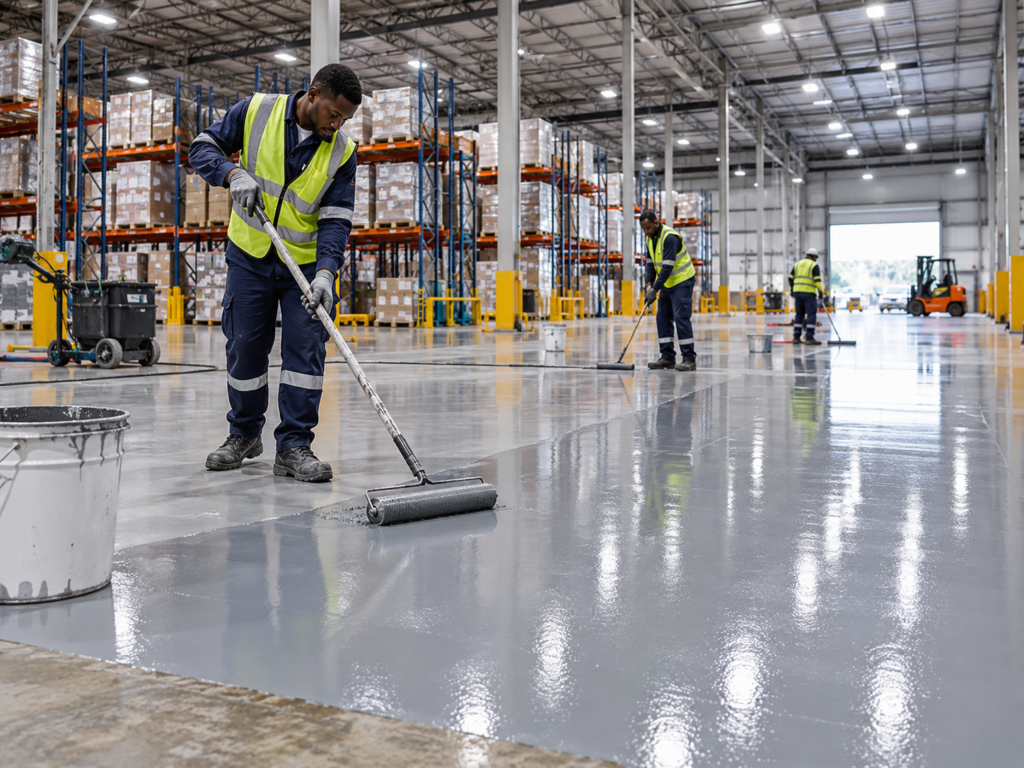
Industrial flooring plays an important role in protecting commercial and manufacturing spaces from heavy traffic, chemical exposure, moisture, and daily wear. Warehouses, factories, workshops, garages, and processing facilities require flooring solutions that are strong, safe, and easy to maintain.
One of the most common questions businesses ask before starting a flooring project is what industrial floor coatings cost per square metre in South Africa. Understanding the pricing structure helps property owners plan budgets, compare options, and choose the right flooring solution for their operational needs.
Industrial floor coating prices can vary depending on several factors, including coating type, surface preparation requirements, installation complexity, and the size of the project. While the initial investment may seem significant, high-quality industrial coatings can provide long-term value by reducing repairs, improving safety, and extending the lifespan of concrete floors.
This guide explains industrial floor coating costs in South Africa, the different coating options available, factors affecting prices, and how businesses can make informed decisions.
What Are Industrial Floor Coatings?
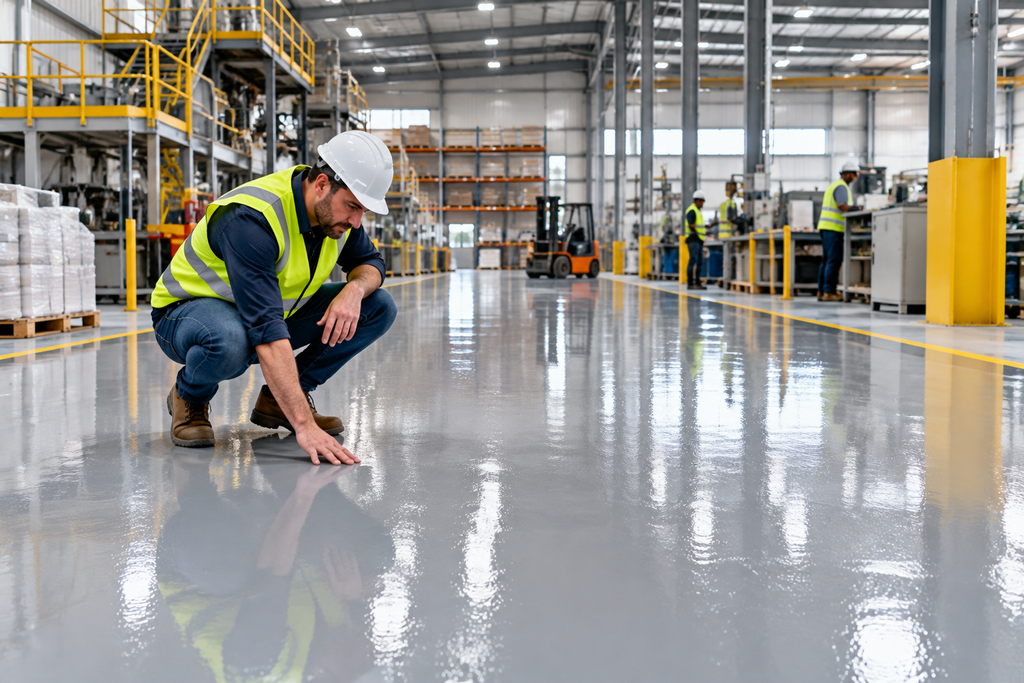
Industrial floor coatings are protective layers applied over concrete floors to improve durability, appearance, and performance. These coatings create a stronger surface that can withstand demanding industrial environments.
Unlike untreated concrete, which can crack, stain, absorb chemicals, and deteriorate over time, coated flooring provides additional protection.
Common industrial floor coating materials include:
Epoxy Floor Coatings
Epoxy is one of the most popular choices for industrial environments because of its strength and durability.
Epoxy coatings provide:
- High impact resistance
- Chemical protection
- Smooth surfaces
- Easy cleaning
- Long service life
They are commonly used in:
- Warehouses
- Factories
- Automotive facilities
- Workshops
- Storage areas
Polyurethane Floor Coatings
Polyurethane coatings offer excellent flexibility and resistance against UV exposure, chemicals, and temperature changes.
They are often selected for environments where floors experience:
- Heavy traffic
- Extreme temperatures
- Outdoor exposure
- Frequent cleaning
Polyaspartic Floor Coatings
Polyaspartic coatings are known for fast installation times and strong performance.
They provide:
- Quick curing
- High durability
- Chemical resistance
- Attractive finishes
These coatings are often used in commercial and industrial spaces where downtime needs to be minimized.
What Industrial Floor Coatings Cost Per Square Metre in South Africa?
The cost of industrial floor coatings in South Africa depends on the coating system selected and the condition of the existing floor.
On average, industrial floor coating prices may range from approximately R150 to R600+ per square metre, depending on the project requirements.
Basic coating systems generally cost less, while advanced industrial flooring systems with multiple layers, decorative finishes, or specialized protection may cost significantly more.
The final price usually includes:
- Materials
- Surface preparation
- Labour
- Repairs
- Primer application
- Protective layers
- Finishing treatments
A professional assessment is often required to determine the exact cost for a specific facility.
Factors That Influence Industrial Floor Coating Prices
Several factors determine the overall cost of an industrial flooring project.
Type of Coating Material
The coating material has one of the biggest impacts on pricing.
For example:
- Basic epoxy systems are usually more affordable
- Multi-layer epoxy systems cost more
- Chemical-resistant coatings require specialized materials
- High-performance polyurethane systems may have higher installation costs
Choosing the right coating depends on the environment where the floor will be used.
Floor Condition and Preparation Requirements
Before applying any industrial coating, the concrete surface must be properly prepared.
Preparation may include:
- Cleaning
- Grinding
- Crack repairs
- Removing old coatings
- Leveling uneven areas
A damaged or contaminated floor requires more preparation work, increasing the total cost.
Size of the Project
The total square meter area affects pricing.
Large industrial projects often benefit from better pricing because:
- Materials can be purchased in larger quantities
- Installation becomes more efficient
- Labour costs are distributed across a larger area
Smaller projects may have higher costs per square metre because preparation and setup expenses remain similar.
Coating Thickness
Industrial environments often require thicker coating systems for better durability.
A thin protective layer may work for light commercial spaces, while heavy-duty facilities may require:
- Multiple epoxy layers
- Reinforcement systems
- Slip-resistant finishes
Thicker systems increase material and labour costs.
Labour and Installation Complexity
Professional installation is essential for industrial flooring performance.
Installation costs depend on:
- Surface preparation difficulty
- Application method
- Drying time
- Number of coating layers
- Site conditions
Experienced installers help ensure proper adhesion and long-lasting results.
Location Within South Africa
Pricing can also vary depending on location.
Factors include:
- Availability of contractors
- Transportation costs
- Regional labour rates
- Material availability
Major industrial areas may have more competitive pricing due to greater contractor availability.
Different Industrial Floor Coating Options and Their Costs
Businesses should select flooring systems based on performance requirements rather than price alone.
Standard Epoxy Flooring
Standard epoxy flooring is suitable for many warehouses and commercial spaces.
Advantages include:
- Affordable installation
- Strong durability
- Attractive appearance
- Easy maintenance
It is commonly used where floors experience moderate traffic.
Heavy-Duty Epoxy Systems
Heavy-duty epoxy systems are designed for demanding industrial conditions.
They are suitable for:
- Manufacturing plants
- Equipment areas
- High-traffic warehouses
Benefits include:
- Greater impact resistance
- Improved protection
- Longer lifespan
Decorative Industrial Flooring
Some businesses want flooring that combines performance with visual appeal.
Decorative options may include:
- Coloured finishes
- Flake systems
- Custom designs
These are popular in:
- Showrooms
- Retail facilities
- Commercial spaces
Chemical-Resistant Floor Coatings
Industries dealing with chemicals require specialized flooring solutions.
These coatings protect against:
- Chemical spills
- Industrial liquids
- Corrosive substances
Common industries include:
- Food processing
- Manufacturing
- Laboratories
- Pharmaceutical facilities
Benefits of Industrial Floor Coatings
Investing in industrial flooring provides several long-term advantages.
Improved Durability
Industrial coatings protect concrete surfaces from:
- Heavy machinery
- Forklift traffic
- Impact damage
- Abrasion
This reduces maintenance requirements and extends floor life.
Easier Cleaning and Maintenance
Coated floors create smooth, non-porous surfaces that are easier to clean.
Benefits include:
- Reduced dust accumulation
- Faster cleaning processes
- Improved hygiene standards
Enhanced Workplace Safety
Industrial coatings can improve workplace safety through:
- Slip-resistant finishes
- Better visibility markings
- Cleaner working environments
Safety-focused flooring solutions help reduce workplace risks.
Better Appearance
A professional-looking floor improves the overall appearance of an industrial facility.
Businesses can choose finishes that create:
- Cleaner workspaces
- Organized environments
- Professional appearances
Protection Against Damage
Industrial floors face constant challenges, including:
- Moisture
- Chemicals
- Heavy loads
- Temperature changes
Protective coatings help prevent premature deterioration.
How Long Do Industrial Floor Coatings Last?
The lifespan of industrial floor coatings depends on:
- Coating quality
- Installation method
- Traffic levels
- Maintenance practices
- Environmental conditions
A properly installed epoxy flooring system can last many years when maintained correctly.
Regular inspections and timely repairs help maximize performance.
Industrial Floor Coating Installation Process
Understanding the installation process helps businesses prepare for their project.
Step 1: Floor Inspection
Professionals evaluate:
- Concrete condition
- Moisture levels
- Existing damage
- Surface requirements
This determines the appropriate coating system.
Step 2: Surface Preparation
Preparation is one of the most important stages.
It may involve:
- Grinding
- Cleaning
- Repairs
- Removing contaminants
Proper preparation ensures strong coating adhesion.
Step 3: Primer Application
A primer layer improves bonding between the concrete and coating system.
Step 4: Coating Installation
The selected coating system is applied in layers according to manufacturer specifications.
Step 5: Final Inspection
The completed floor is checked for:
- Smoothness
- Coverage
- Durability
- Finish quality
How Businesses Can Reduce Industrial Flooring Costs
Businesses can manage flooring budgets effectively with proper planning.
Choose the Right Coating System
Installing an expensive coating where it is not needed can increase costs unnecessarily.
The best solution balances:
- Performance requirements
- Budget
- Expected usage
Maintain Existing Floors
Early repairs and regular maintenance prevent expensive replacements.
Work With Experienced Professionals
Poor installation can lead to coating failure and additional costs.
Professional installers help ensure:
- Correct preparation
- Proper application
- Long-term performance
Frequently Asked Questions About Industrial Floor Coating Costs in South Africa
What is the average cost of industrial floor coatings per square metre in South Africa?
Industrial floor coating costs can vary widely depending on materials, preparation, and project requirements. Many projects range from approximately R150 to R600+ per square metre.
Is epoxy flooring suitable for warehouses?
Yes. Epoxy flooring is commonly used in warehouses because it provides durability, chemical resistance, and easy maintenance.
How long does industrial epoxy flooring last?
A professionally installed epoxy floor can last many years depending on traffic levels, maintenance, and environmental conditions.
Does floor preparation affect coating costs?
Yes. Surface preparation is a major factor because damaged or contaminated concrete requires additional work before coating installation.
Are industrial floor coatings worth the investment?
For many businesses, industrial coatings provide long-term value by reducing maintenance costs, protecting concrete, and improving workplace conditions.
Can industrial floor coatings be customized?
Yes. Businesses can choose different colours, textures, finishes, and performance features based on their operational needs.
Conclusion
Understanding what industrial floor coatings cost per square metre in South Africa helps businesses make better decisions when planning flooring upgrades. While prices vary depending on coating type, surface preparation, and project requirements, investing in a quality industrial flooring system can provide significant long-term benefits.
Industrial floor coatings improve durability, safety, cleanliness, and the overall appearance of commercial spaces. From warehouses and factories to workshops and processing facilities, the right coating solution protects valuable concrete surfaces while supporting daily operations.
By choosing the correct materials, working with experienced professionals, and planning the project carefully, businesses can achieve a durable flooring system that delivers excellent performance for years.

