
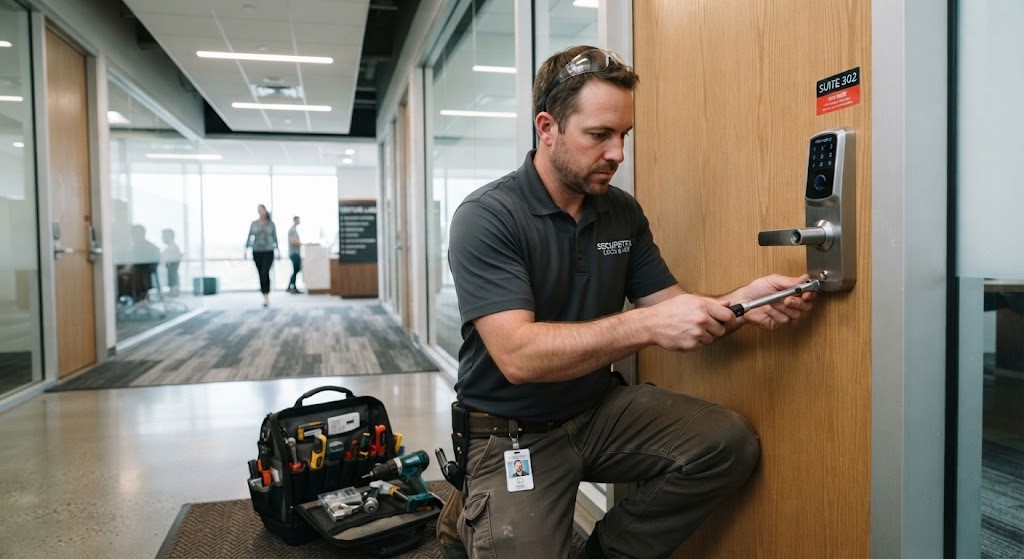
Security begins with the smallest details. While homeowners and businesses often focus on advanced security systems, cameras, and alarms, one of the most important parts of any property’s protection is the quality of its locks and hardware.
Locks & Hardware products play a crucial role in securing doors, windows, entrances, and access points. From traditional mechanical locks to modern smart security solutions, choosing the right hardware can improve safety, convenience, and the overall functionality of a property.
Whether you are upgrading a home, managing a commercial building, renovating a property, or replacing outdated security equipment, understanding different types of locks and hardware can help you make better decisions.
This guide explains the importance of quality hardware, available options, key features to consider, and how to choose the right security solutions for your needs.
Why Locks & Hardware Matter for Security
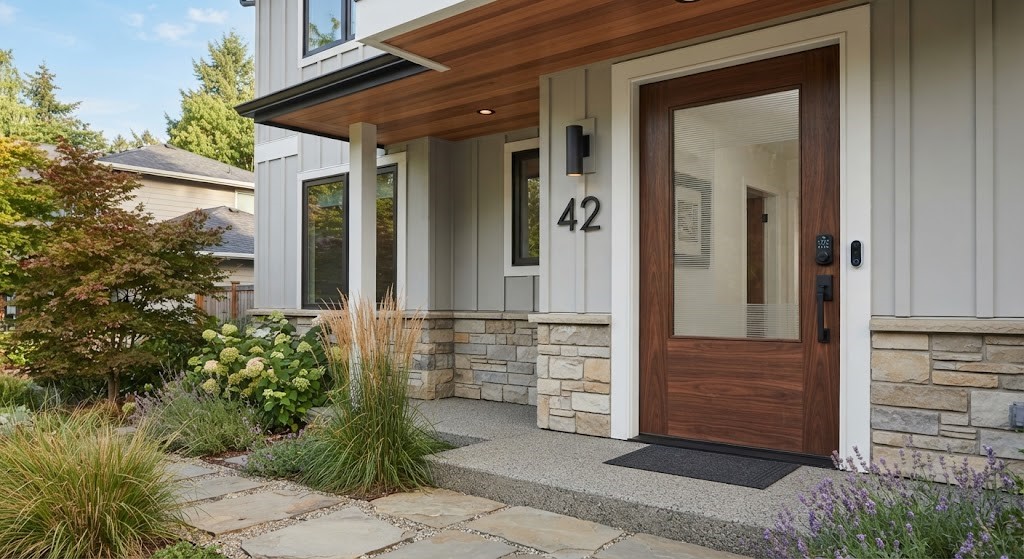
Doors and entry points are the first line of defense for any property.
High-quality locks and hardware help provide:
- Better security
- Improved durability
- Easier access control
- Enhanced convenience
- Increased property value
A weak or outdated lock can create unnecessary security risks, while modern hardware solutions can provide stronger protection and better user experience.
Understanding Locks & Hardware Products
The term Locks & Hardware includes a wide range of products designed for securing and operating doors, windows, and access points.
These products may include:
- Door locks
- Deadbolts
- Door handles
- Smart locks
- Cabinet locks
- Door closers
- Hinges
- Access control systems
- Security accessories
Each product serves a different purpose depending on the application.
Types of Door Locks
Choosing the right lock depends on the level of security required and the type of door being protected.
Deadbolt Locks
Deadbolts are among the most common security locks used in residential properties.
Unlike spring-based locks, deadbolts extend deeper into the door frame, providing additional resistance against forced entry.
Benefits include:
- Strong security
- Long durability
- Simple operation
- Affordable installation
Many homeowners combine deadbolts with other security features for additional protection.
Knob Locks
Knob locks are commonly installed on interior doors and some exterior doors.
They are convenient but are usually not considered the strongest standalone security option for main entrances.
They are often used for:
- Bedrooms
- Bathrooms
- Interior spaces
Lever Handle Locks
Lever locks are popular because they are easy to operate.
They are especially useful for:
- Commercial buildings
- Accessibility-focused spaces
- Modern residential designs
Their ergonomic design makes them easier to use than traditional knobs.
Smart Locks
Smart locks represent the evolution of modern security technology.
They allow users to control access through:
- Smartphones
- Keypads
- Fingerprints
- Voice assistants
Advantages include:
- Keyless entry
- Remote access control
- Activity monitoring
- Temporary access codes
Smart locks are becoming increasingly popular in modern homes and businesses.
Mortise Locks
Mortise locks are known for their strength and durability.
They are commonly used in:
- Commercial properties
- High-security doors
- Heavy-duty applications
These locks are installed inside the door itself, creating a stronger locking mechanism.
Importance of Quality Door Hardware
Locks are only one part of a secure entry system. The surrounding hardware also affects performance.
Important hardware components include:
- Door handles
- Hinges
- Strike plates
- Door closers
- Reinforcement accessories
Poor-quality hardware can reduce the effectiveness of even the best lock.
Door Handles and Their Role
Door handles combine functionality with design.
They are available in different styles, including:
- Lever handles
- Pull handles
- Knobs
- Modern minimalist designs
When selecting door handles, consider:
- Material quality
- Durability
- Design compatibility
- Ease of use
Hinges and Door Support
Hinges allow doors to open and close properly while supporting their weight.
Quality hinges provide:
- Smooth operation
- Better alignment
- Long-term durability
Heavy doors often require stronger hinge systems to maintain performance.
Door Closers
Door closers help control how doors close after opening.
They are commonly used in:
- Offices
- Schools
- Commercial buildings
- Apartment complexes
Benefits include:
- Improved security
- Energy efficiency
- Fire safety support
Locks & Hardware for Residential Properties
Homeowners often prioritize security, convenience, and appearance when choosing hardware.
Important considerations include:
Front Door Security
The main entrance requires strong protection.
Recommended features may include:
- High-quality deadbolts
- Reinforced hardware
- Smart access systems
- Durable handles
Interior Door Hardware
Interior doors require different solutions.
Common options include:
- Privacy locks
- Passage handles
- Closet hardware
Garage and Outdoor Security
Outdoor areas may require specialized hardware designed to withstand weather conditions.
Consider:
- Weather-resistant materials
- Strong locking systems
- Durable finishes
Locks & Hardware for Commercial Buildings
Businesses often have more complex security requirements.
Commercial properties may need:
- Access control systems
- Heavy-duty locks
- Master key systems
- Panic hardware
- Electronic security solutions
Access Control Systems
Access control allows businesses to manage who can enter specific areas.
Systems may include:
- Key cards
- Digital credentials
- Biometric access
- Mobile entry systems
These solutions are useful for offices, warehouses, and large facilities.
Master Key Systems
Master key systems allow different levels of access.
For example:
- Employees may access certain rooms
- Managers may access additional areas
- Owners may have full access
This improves security management.
Panic Hardware
Emergency exit hardware is essential in many commercial buildings.
Panic bars allow doors to open quickly during emergencies while maintaining controlled access.
Choosing the Right Locks & Hardware
Selecting the correct products requires evaluating several factors.
Consider Security Requirements
Different properties require different security levels.
Ask:
- Is this residential or commercial?
- How valuable are the protected assets?
- Are there specific security concerns?
Evaluate Material Quality
Durable materials improve performance.
Common materials include:
- Stainless steel
- Brass
- Aluminum alloys
- Hardened metals
Match Hardware With Property Design
Security products should also complement the appearance of the property.
Modern hardware comes in various finishes, such as:
- Chrome
- Matte black
- Brass
- Satin nickel
Consider Installation Requirements
Some hardware products require professional installation.
Proper installation ensures:
- Correct alignment
- Better security
- Longer product life
Benefits of Upgrading Locks & Hardware
Replacing outdated hardware provides several advantages.
Improved Security
Modern locks offer stronger protection against unauthorized access.
Better Convenience
Smart and advanced locking systems simplify daily access.
Enhanced Property Appearance
New hardware can improve the look of doors and entrances.
Increased Property Value
Updated security features can make properties more attractive to buyers and tenants.
Common Mistakes When Choosing Security Hardware
Avoiding common mistakes helps ensure better results.
Choosing Based Only on Price
The cheapest option may not provide the durability and security required.
Quality should always be considered alongside cost.
Ignoring Compatibility
Not all locks and hardware fit every door.
Consider:
- Door thickness
- Existing mechanisms
- Installation requirements
Neglecting Maintenance
Even high-quality hardware requires maintenance.
Regular care may include:
- Cleaning
- Lubrication
- Inspection
- Tightening loose components
Future Trends in Locks & Hardware
Security technology continues to evolve.
Future developments include:
Smart Home Integration
More locks are connecting with:
- Home automation systems
- Mobile apps
- Voice-controlled devices
Biometric Security
Fingerprint and facial recognition technologies are becoming more common.
Advanced Access Management
Businesses are increasingly using cloud-based access control systems.
These technologies provide better monitoring and flexibility.
Frequently Asked Questions About Locks & Hardware
What are Locks & Hardware products?
Locks & Hardware products include security locks, door handles, hinges, access systems, and other components used for protecting and operating doors and access points.
Which type of lock is best for a front door?
Deadbolts and high-quality smart locks are popular options for front doors because they provide strong security and convenient access features.
Are smart locks secure?
Modern smart locks can provide strong security when properly installed and maintained. Users should choose reliable products and follow recommended security practices.
How often should door locks be replaced?
Locks may need replacement when they become damaged, outdated, difficult to operate, or no longer meet security requirements.
Can new hardware improve home security?
Yes. Upgrading locks, handles, and supporting hardware can improve protection and overall entry-point security.
Should I install locks myself or hire a professional?
Some basic hardware can be installed by homeowners, but complex locks and commercial systems often benefit from professional installation.
Conclusion
Locks & Hardware are essential components of any secure property. From traditional deadbolts and durable door handles to advanced smart security systems, the right hardware improves protection, convenience, and long-term reliability.
Choosing quality locks and hardware requires understanding your security needs, evaluating materials, considering installation requirements, and selecting products that match your property.
Whether upgrading a home, improving a business facility, or installing new security solutions, investing in reliable Locks & Hardware provides lasting benefits.
With modern technology continuing to transform security, homeowners and businesses now have more options than ever to create safer, smarter, and more convenient spaces.

