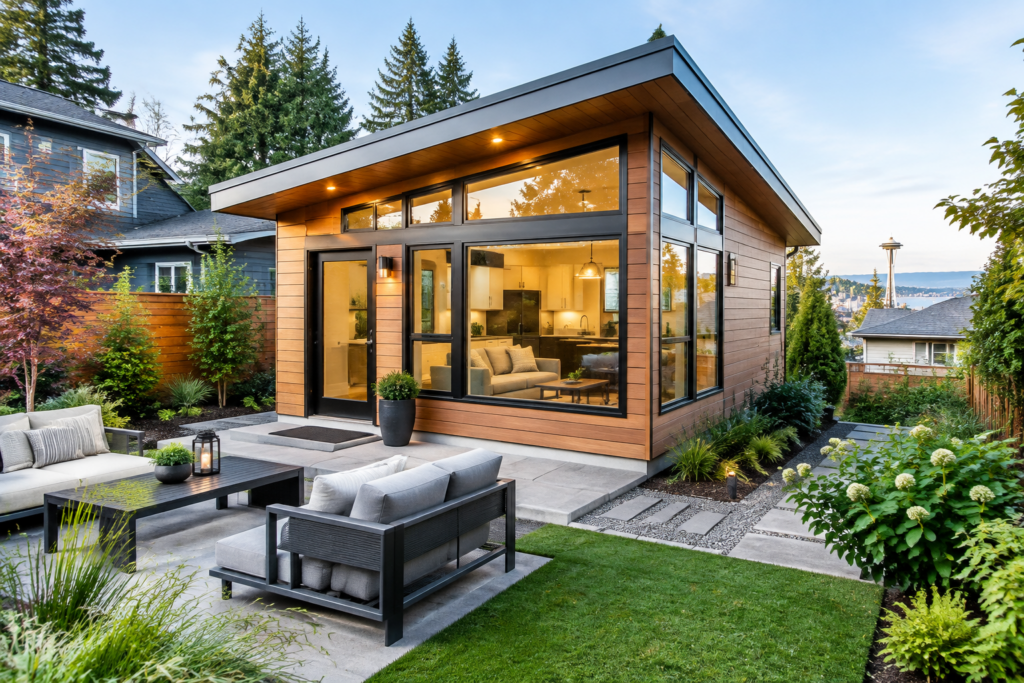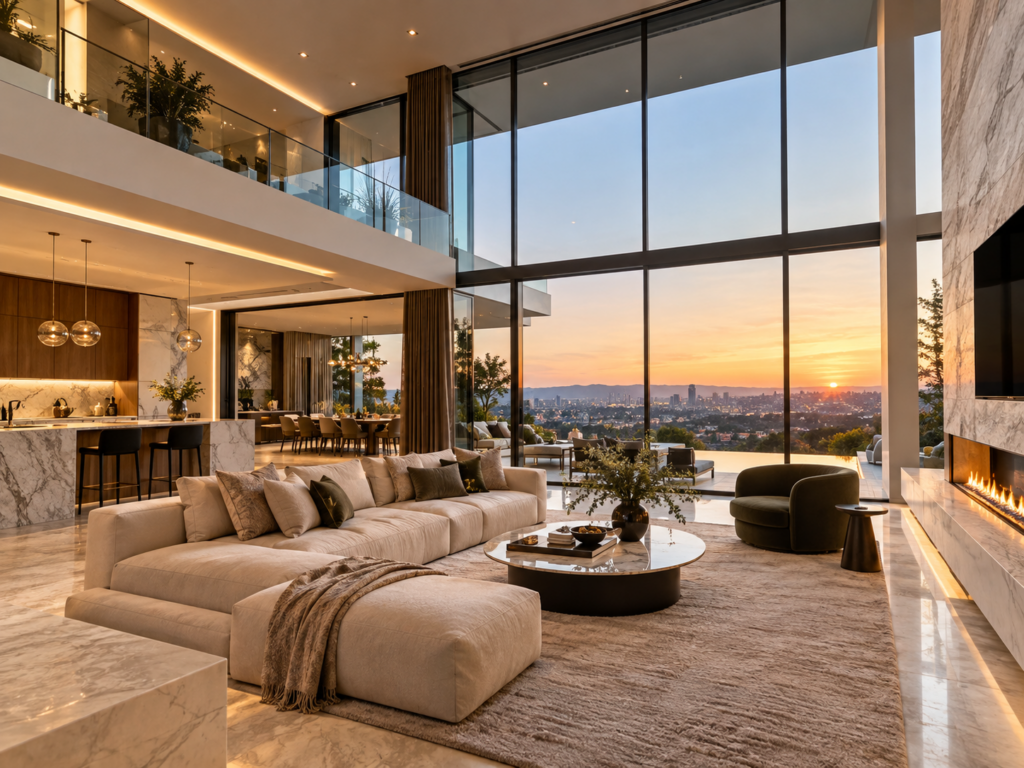
Luxury homes represent more than expensive properties. They reflect a lifestyle built around comfort, privacy, exceptional design, advanced technology, and personalized experiences.
Today’s luxury real estate market has evolved beyond traditional ideas of large spaces and expensive materials. Modern buyers are looking for homes that combine architectural beauty with functionality, sustainability, wellness features, and seamless indoor-outdoor living.
From breathtaking mountain retreats and oceanfront estates to smart urban residences, luxury homes are designed to provide a unique living experience. These properties often include custom architecture, premium finishes, advanced security systems, and amenities that transform everyday living into something extraordinary.
This guide explores what defines luxury homes, the features that make them valuable, current design trends, and important factors buyers consider when investing in high-end real estate.
What Defines a Luxury Home?
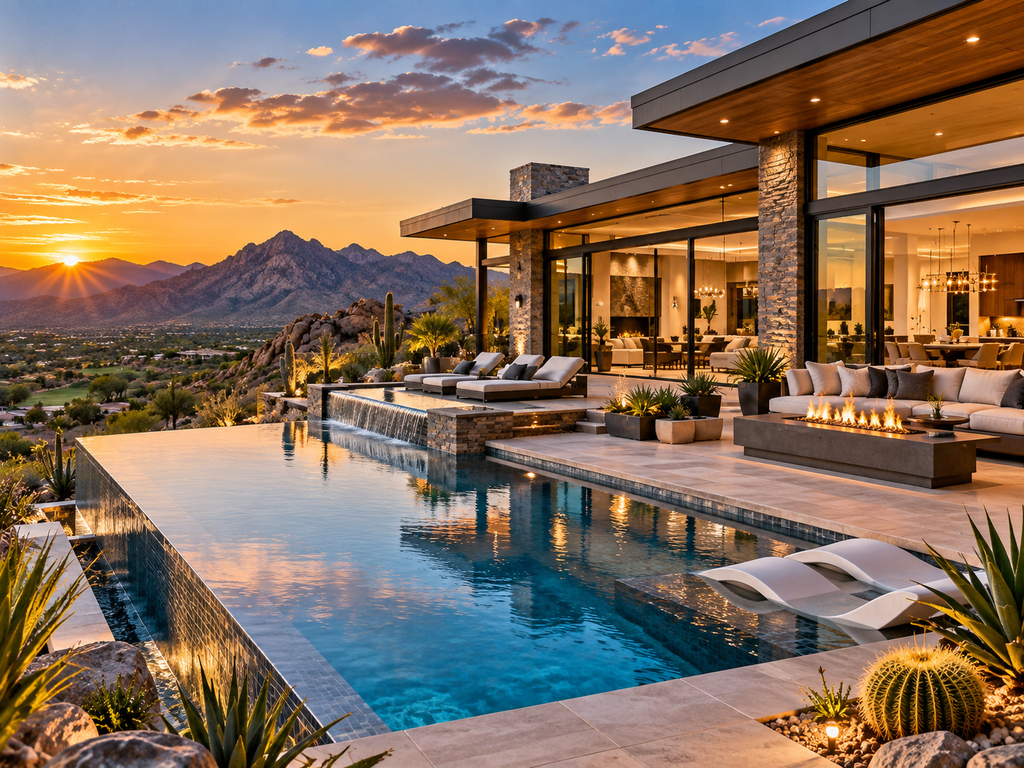
The term “luxury home” is often associated with high prices, but true luxury involves much more than cost.
A luxury property typically offers a combination of:
- Exceptional location
- High-quality construction
- Unique architectural design
- Premium materials
- Advanced technology
- Exclusive amenities
Luxury is created through attention to detail and the ability to provide comfort, convenience, and privacy.
The Importance of Location in Luxury Real Estate
Location remains one of the most important factors in determining the value of luxury homes.
High-end properties are often found in locations that offer:
- Natural beauty
- Privacy
- Desirable neighborhoods
- Access to premium services
- Unique views
Examples include:
- Mountain communities
- Waterfront areas
- Private estates
- Prestigious urban neighborhoods
A remarkable location can significantly enhance the appeal and long-term value of a luxury property.
Architectural Design of Luxury Homes
Architecture plays a major role in creating a distinctive luxury residence.
Unlike standard homes, luxury properties often feature custom designs created specifically for the homeowner.
Custom Floor Plans
Luxury homes often include personalized layouts designed around the owner’s lifestyle.
Common features include:
- Open-concept living spaces
- Private offices
- Entertainment areas
- Large master suites
- Custom kitchens
The goal is to create a home that feels unique rather than mass-produced.
Indoor-Outdoor Living Design
One of the biggest trends in luxury architecture is connecting indoor and outdoor spaces.
Features may include:
- Floor-to-ceiling windows
- Outdoor kitchens
- Covered patios
- Infinity pools
- Landscaped gardens
These designs create a seamless transition between the home and surrounding environment.
Unique Architectural Elements
High-end homes often include distinctive features such as:
- Custom staircases
- Artistic lighting
- Statement fireplaces
- Sculptural designs
- Premium stonework
These details create visual identity and exclusivity.
Premium Materials Used in Luxury Homes
Material selection strongly influences the look and feel of a luxury residence.
Common premium materials include:
- Natural stone
- Hardwood flooring
- Marble surfaces
- Custom metalwork
- High-quality glass
These materials provide durability while creating an elegant appearance.
Luxury Kitchens and Dining Spaces
The kitchen has become one of the most important areas in modern luxury homes.
High-end kitchens often include:
- Professional-grade appliances
- Custom cabinetry
- Large islands
- Premium countertops
- Wine storage
Many homeowners view the kitchen as both a functional workspace and a social gathering area.
Spa-Inspired Bathrooms
Luxury bathrooms are designed as personal wellness spaces.
Common features include:
- Large soaking tubs
- Rain showers
- Heated floors
- Premium fixtures
- Natural stone finishes
These spaces create a relaxing environment similar to a private spa.
Smart Home Technology in Luxury Properties
Technology has become a defining feature of modern luxury homes.
Smart systems provide greater control over:
- Lighting
- Security
- Climate
- Entertainment
- Energy usage
Automated Lighting Systems
Smart lighting allows homeowners to adjust:
- Brightness
- Color temperature
- Room settings
This improves both convenience and atmosphere.
Advanced Security Features
Luxury properties often include advanced security solutions such as:
- Surveillance systems
- Smart locks
- Controlled access
- Security monitoring
Privacy and protection are major priorities for high-end homeowners.
Home Automation Systems
Integrated technology can control multiple systems from:
- Mobile devices
- Touch panels
- Voice assistants
Examples include:
- Automated curtains
- Climate control
- Entertainment systems
Luxury Home Amenities
Amenities often separate luxury homes from traditional properties.
Private Swimming Pools
Many luxury residences feature custom pools designed for relaxation and entertainment.
Popular features include:
- Infinity edges
- Heated systems
- Pool lighting
- Outdoor lounges
Home Theaters
Private theaters provide a premium entertainment experience.
Features may include:
- Large screens
- Surround sound
- Luxury seating
- Acoustic design
Fitness and Wellness Spaces
Health-focused amenities have become increasingly popular.
Luxury homes may include:
- Private gyms
- Yoga studios
- Saunas
- Meditation rooms
Wine Cellars and Entertainment Areas
Entertainment spaces allow homeowners to host guests comfortably.
Features may include:
- Wine storage
- Bars
- Game rooms
- Outdoor kitchens
Sustainable Features in Modern Luxury Homes
Luxury and sustainability are increasingly connected.
Many modern luxury properties incorporate environmentally responsible features.
Energy-Efficient Design
Examples include:
- Solar systems
- Energy-efficient windows
- Smart climate controls
These features can improve efficiency while maintaining comfort.
Sustainable Materials
Some luxury homes use:
- Reclaimed wood
- Eco-friendly materials
- Natural finishes
This combines design with environmental awareness.
Green Outdoor Spaces
Luxury landscaping may include:
- Native plants
- Water-efficient gardens
- Outdoor living areas
Different Types of Luxury Homes
Luxury properties come in many forms.
Mountain Luxury Homes
Mountain residences often focus on:
- Scenic views
- Privacy
- Natural surroundings
Common features include:
- Large windows
- Stone fireplaces
- Outdoor terraces
Waterfront Luxury Homes
Waterfront properties provide unique lifestyle benefits.
Features may include:
- Private docks
- Ocean views
- Beach access
- Outdoor entertainment areas
Urban Luxury Apartments and Penthouses
Luxury urban residences offer:
- City views
- Premium locations
- Concierge services
They often include:
- Private elevators
- Rooftop terraces
- High-end finishes
Estate Homes
Large private estates provide:
- Extensive land
- Multiple buildings
- Maximum privacy
They may include:
- Guest houses
- Gardens
- Private recreational facilities
What Buyers Look for in Luxury Homes
High-end buyers often prioritize specific features.
Privacy
Privacy is one of the most important luxury factors.
Desired features include:
- Gated entrances
- Large private lots
- Landscaped barriers
Quality Construction
Luxury buyers expect:
- Superior craftsmanship
- Durable materials
- Attention to detail
Unique Experiences
Many buyers want homes that provide experiences, such as:
- Amazing views
- Resort-style amenities
- Personalized spaces
The Investment Potential of Luxury Homes
Luxury real estate can represent a significant investment opportunity.
Factors that influence long-term value include:
- Location
- Design quality
- Market demand
- Property uniqueness
Unlike standard properties, exceptional luxury homes often gain value because of their distinctive characteristics.
Common Mistakes When Buying Luxury Homes
Purchasing a luxury property requires careful consideration.
Focusing Only on Appearance
A beautiful home should also have:
- Quality construction
- Functional design
- Proper maintenance
Ignoring Location Factors
Even an impressive property may lose appeal if the location does not meet lifestyle needs.
Not Considering Future Value
Buyers should evaluate:
- Neighborhood development
- Market trends
- Long-term desirability
The Future of Luxury Home Design
Luxury housing continues to evolve based on changing lifestyles.
Future trends may include:
- More sustainable designs
- Advanced artificial intelligence technology
- Personalized wellness spaces
- Flexible living environments
Homeowners increasingly want properties that support comfort, health, and convenience.
Frequently Asked Questions About Luxury Homes
What makes a home a luxury home?
Luxury homes are defined by exceptional design, premium materials, desirable locations, advanced technology, and exclusive features rather than price alone.
Are luxury homes a good investment?
Luxury homes can be valuable investments when they have strong locations, unique features, quality construction, and long-term market appeal.
What features are common in luxury homes?
Common features include smart home systems, premium kitchens, spa bathrooms, pools, theaters, outdoor living areas, and custom architecture.
Why are location and privacy important in luxury real estate?
High-end buyers often prioritize locations that provide convenience, exclusivity, views, and privacy.
Are modern luxury homes energy efficient?
Many new luxury homes include sustainable features such as solar energy, efficient systems, and environmentally friendly materials.
What is the difference between a large home and a luxury home?
A large home focuses mainly on size, while a luxury home emphasizes quality, design, comfort, technology, and unique experiences.
Conclusion
Luxury homes represent the combination of exceptional design, advanced features, premium materials, and personalized living experiences. They are created for homeowners who value comfort, privacy, innovation, and distinctive environments.
Modern luxury real estate continues to evolve, with trends moving toward smart technology, sustainability, wellness, and seamless indoor-outdoor living.
Whether it is a mountain retreat, waterfront estate, urban penthouse, or private residence, the best luxury homes offer more than beautiful spaces—they create a lifestyle designed around the needs and preferences of their owners.
As the demand for personalized and high-quality living continues to grow, luxury homes remain a symbol of architectural excellence, comfort, and modern living.