
Termites are among the most destructive pests affecting homes across the United States. Although these tiny insects may seem harmless because of their size, termite colonies can cause thousands of dollars in structural damage by feeding on wood, insulation, and other cellulose-based materials inside buildings.
Many homeowners do not notice termite activity until serious damage has already occurred. Because termites often work silently behind walls, under floors, or around foundations, early detection and professional prevention are essential.
A professional termite treatment program provides a complete approach to termite management by combining inspections, targeted treatments, prevention strategies, and ongoing monitoring. Unlike temporary solutions that only address visible insects, professional termite services focus on eliminating active infestations and protecting properties from future damage.
Whether you own a home, manage rental properties, or operate a commercial building, investing in a professional termite treatment program can help preserve your property’s value and provide long-term peace of mind.
This guide explains how professional termite treatment programs work, why they are important, common treatment methods, benefits, costs, and how to choose the right termite control service.
What Is a Professional Termite Treatment Program?
A professional termite treatment program is a structured pest management plan designed to detect, eliminate, and prevent termite infestations.
Unlike basic pest sprays or DIY products, professional termite programs are developed based on the specific needs of a property. Trained pest control specialists inspect the building, identify termite species, locate infestation areas, and recommend appropriate treatment methods.
A complete termite treatment program typically includes:
- Detailed termite inspections
- Identification of termite activity
- Customized treatment solutions
- Preventative protection measures
- Follow-up inspections
- Long-term monitoring
The goal is not only to remove existing termites but also to create a protective barrier that reduces the risk of future infestations.
Why Termite Protection Is Important for American Homes
Termites are a major concern for homeowners throughout the United States, especially in regions with warm and humid conditions. These environments create ideal conditions for termite colonies to grow and spread.
Termites can damage:
- Wooden foundations
- Floor joists
- Wall structures
- Window frames
- Doors
- Decks
- Furniture
- Wooden landscaping materials
Because termite damage often develops slowly, homeowners may not realize there is a problem until repairs become expensive.
A professional termite treatment program helps identify risks early and provides proactive protection before major structural problems occur.
How a Professional Termite Treatment Program Works
Every property is different, so professional termite control companies typically follow a step-by-step process.
Comprehensive Termite Inspection
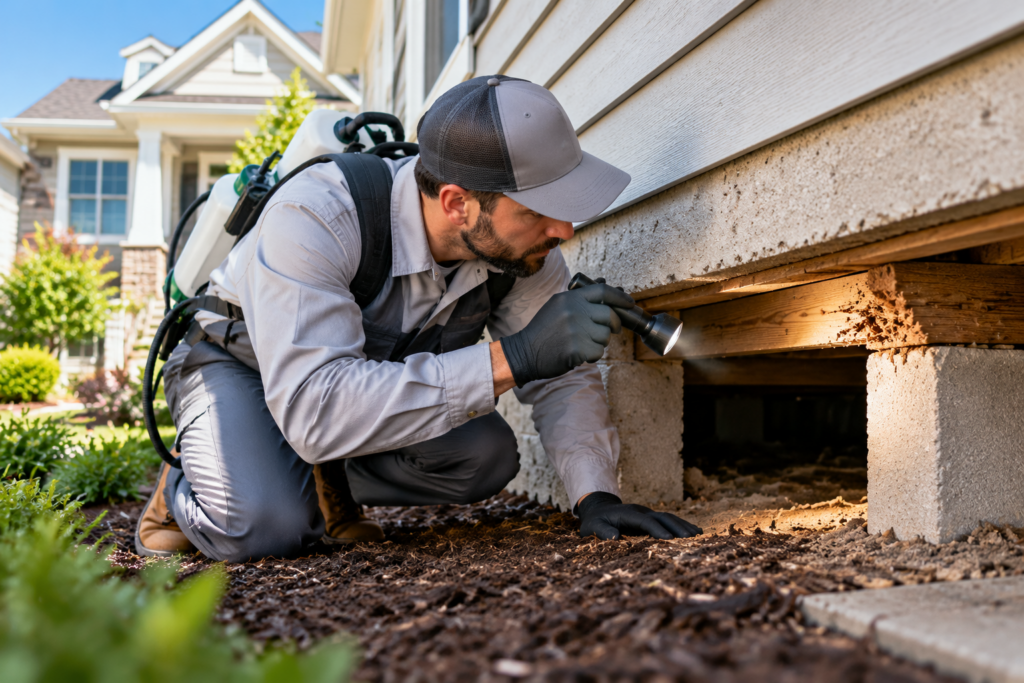
The first step in any professional termite treatment program is a detailed inspection.
A trained technician examines areas where termites commonly hide, including:
- Foundations
- Basements
- Crawl spaces
- Attics
- Wooden structures
- Moisture-prone areas
- Exterior walls
During the inspection, professionals look for signs such as:
- Mud tubes
- Wood damage
- Termite droppings
- Hollow-sounding wood
- Swarm activity
- Moisture problems
This inspection helps determine the severity of the infestation and the best treatment approach.
Identifying the Type of Termite
Different termite species require different control strategies.
Common termite types in the United States include:
Subterranean Termites
Subterranean termites live underground and create mud tunnels to access structures. They are one of the most destructive termite species because large colonies can cause extensive damage.
Drywood Termites
Drywood termites typically infest dry wooden structures, furniture, and wooden beams. They do not require soil contact and can spread inside buildings.
Dampwood Termites
Dampwood termites prefer areas with high moisture levels and are commonly found in wetter environments.
Identifying the termite species allows professionals to select the most effective treatment method.
Customized Treatment Plan
After inspection, professionals create a customized termite control strategy.
A treatment plan may include:
- Liquid termite treatments
- Baiting systems
- Soil barriers
- Wood treatments
- Preventive applications
- Moisture control recommendations
A professional approach ensures treatment targets the source of the infestation instead of only addressing visible signs.
Common Methods Used in Professional Termite Treatment Programs
Modern termite control uses advanced techniques designed to provide effective and long-lasting protection.
Liquid Termite Treatments
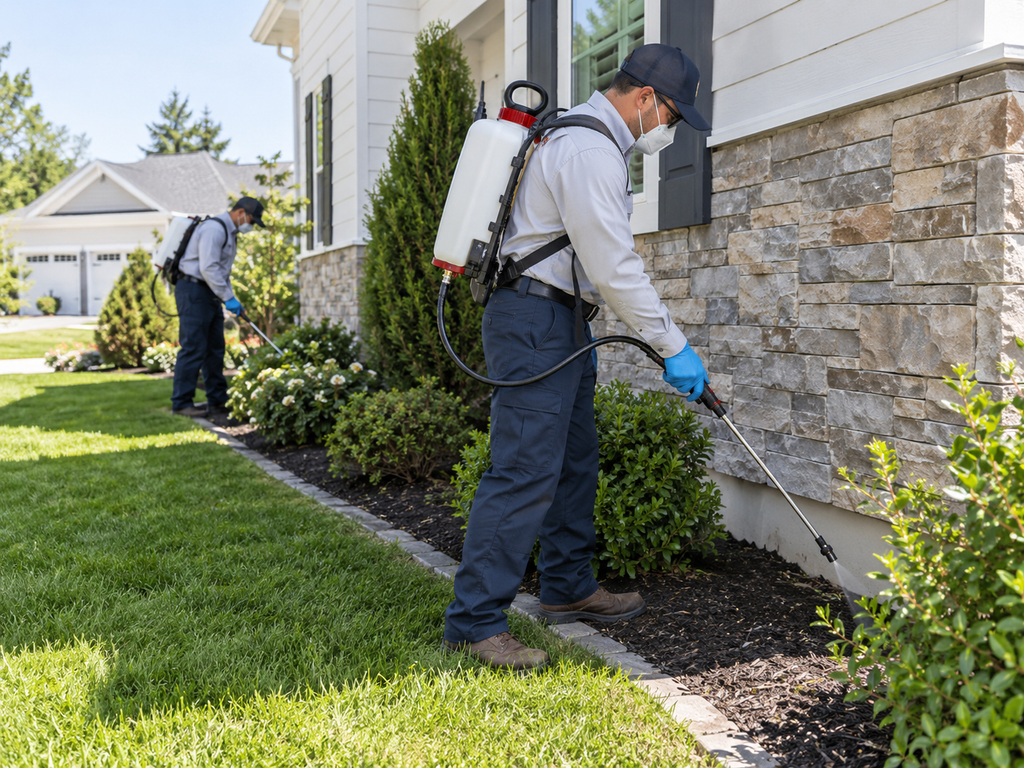
Liquid termite treatments create a protective barrier around a property.
These treatments may be applied:
- Around foundations
- In soil areas
- Around entry points
- Near termite activity zones
Liquid barriers help prevent termites from entering the structure and can eliminate existing colonies.
Termite Baiting Systems
Termite bait systems use specially designed stations placed around a property.
Worker termites carry bait materials back to the colony, helping reduce the overall population.
Benefits of baiting systems include:
- Continuous monitoring
- Reduced chemical exposure
- Long-term protection
- Early detection of termite activity
Wood Treatment Solutions
Wood treatments protect vulnerable wooden materials from termite damage.
This method is commonly used for:
- New construction
- Exposed wooden structures
- Repair areas
Wood treatments help strengthen protection where termites are most likely to attack.
Benefits of Hiring a Professional Termite Treatment Program
Many homeowners consider DIY termite products, but professional services provide several advantages.
Expert Knowledge and Experience
Professional pest control technicians understand termite behavior, nesting patterns, and treatment techniques.
They can identify problems that may be missed during a basic visual inspection.
Better Protection Against Structural Damage
Termite damage can compromise the safety and value of a property.
A professional termite treatment program focuses on preventing serious damage by addressing infestations early.
Customized Solutions
Every property has unique risks.
Professionals consider factors such as:
- Building design
- Location
- Moisture levels
- Construction materials
- Existing termite activity
This allows them to create a more effective treatment plan.
Long-Term Monitoring
Many professional programs include ongoing inspections and monitoring.
Regular checks help detect new termite activity before it becomes a major problem.
Cost Savings Over Time
Although professional termite treatment requires an investment, it can save homeowners significant money by preventing expensive repairs.
Replacing damaged structural wood, flooring, or walls can cost much more than preventive termite protection.
Signs Your Home May Need Termite Treatment
Homeowners should contact termite professionals if they notice warning signs such as:
Visible Wood Damage
Damaged wood may appear:
- Hollow
- Cracked
- Weak
- Blistered
Mud Tubes
Subterranean termites often build mud tubes along foundations, walls, and other surfaces.
Flying Termites
Swarming termites may indicate the presence of a mature colony nearby.
Termite Droppings
Drywood termites often leave behind small pellet-like droppings near damaged wood.
Doors and Windows Becoming Difficult to Open
Structural changes caused by termite damage may affect wooden doors and windows.
Preventing Future Termite Infestations
A professional termite treatment program is most effective when combined with good prevention practices.
Reduce Moisture Around Your Property
Termites are attracted to moisture.
Homeowners should:
- Repair leaking pipes
- Improve drainage
- Remove standing water
- Maintain proper ventilation
Store Wood Properly
Avoid storing:
- Firewood
- Wooden debris
- Lumber
directly against your home.
Keep wood materials elevated and away from foundations.
Maintain Regular Inspections
Annual termite inspections can help detect problems before major damage occurs.
Regular monitoring is especially important for homes in termite-prone areas.
Professional Termite Treatment Program vs DIY Solutions
Many homeowners search for DIY termite control options, but these methods often provide limited results.
DIY products may:
- Treat only visible areas
- Miss hidden colonies
- Provide temporary protection
- Fail to address structural risks
A professional termite treatment program provides a more complete solution by combining expertise, specialized products, and ongoing prevention strategies.
Choosing the Right Termite Control Company
Selecting the right pest control provider is important for effective termite protection.
Consider these factors:
Experience and Training
Choose a company with trained technicians who understand termite behavior and treatment methods.
Inspection Process
A reliable company should provide a detailed inspection before recommending treatment.
Treatment Options
Look for providers offering multiple solutions instead of one standard approach.
Customer Reviews and Reputation
Check customer feedback and service history before making a decision.
Warranty and Follow-Up Services
Many professional termite programs include warranties or ongoing monitoring plans, providing additional protection.
Frequently Asked Questions About Professional Termite Treatment Programs
What is included in a professional termite treatment program?
A professional termite treatment program usually includes inspection, termite identification, customized treatment, prevention methods, and follow-up monitoring.
How long does termite treatment last?
The effectiveness of termite treatment depends on the method used, property conditions, and environmental factors. Professional monitoring helps maintain long-term protection.
Can termites return after treatment?
Yes, termites can return if new colonies enter the property. Regular inspections and preventive treatments help reduce the risk.
Is professional termite treatment safe for families and pets?
Professional pest control companies use approved treatment methods and follow safety guidelines to protect residents and pets.
How often should a home receive termite inspections?
Many experts recommend regular termite inspections, especially in areas where termite activity is common.
Are DIY termite treatments effective?
DIY treatments may help with minor issues but often cannot address hidden colonies or provide long-term structural protection like professional services.
How much does a professional termite treatment program cost?
The cost varies depending on property size, infestation level, treatment method, and location. A professional inspection is usually needed for accurate pricing.
Conclusion
A professional termite treatment program is one of the most effective ways to protect your home from costly termite damage. Because termites often remain hidden until significant destruction occurs, early detection and professional prevention are essential.
From detailed inspections and customized treatments to ongoing monitoring and preventative strategies, professional termite services provide a complete solution for homeowners seeking long-term protection.
Investing in termite control is not only about removing pests; it is about protecting your property’s structure, value, and safety. With the right professional termite treatment program, homeowners can enjoy greater confidence knowing their property is protected against one of the most damaging pests in America.

