
A properly functioning septic system plays an important role in protecting public health, maintaining clean water resources, and managing household wastewater safely. Millions of homes across the United States rely on septic systems instead of municipal sewer networks, especially in rural and suburban communities.
The U.S. Environmental Protection Agency provides important educational resources and recommendations to help homeowners understand septic systems, prevent failures, and maintain safe wastewater treatment practices. Following proper septic system care guidelines can help protect groundwater, avoid costly repairs, and extend the life of your system.
This complete guide explains how septic systems work, why maintenance matters, common problems homeowners face, and how EPA recommendations support responsible wastewater management throughout the United States.
What Is a Septic System?
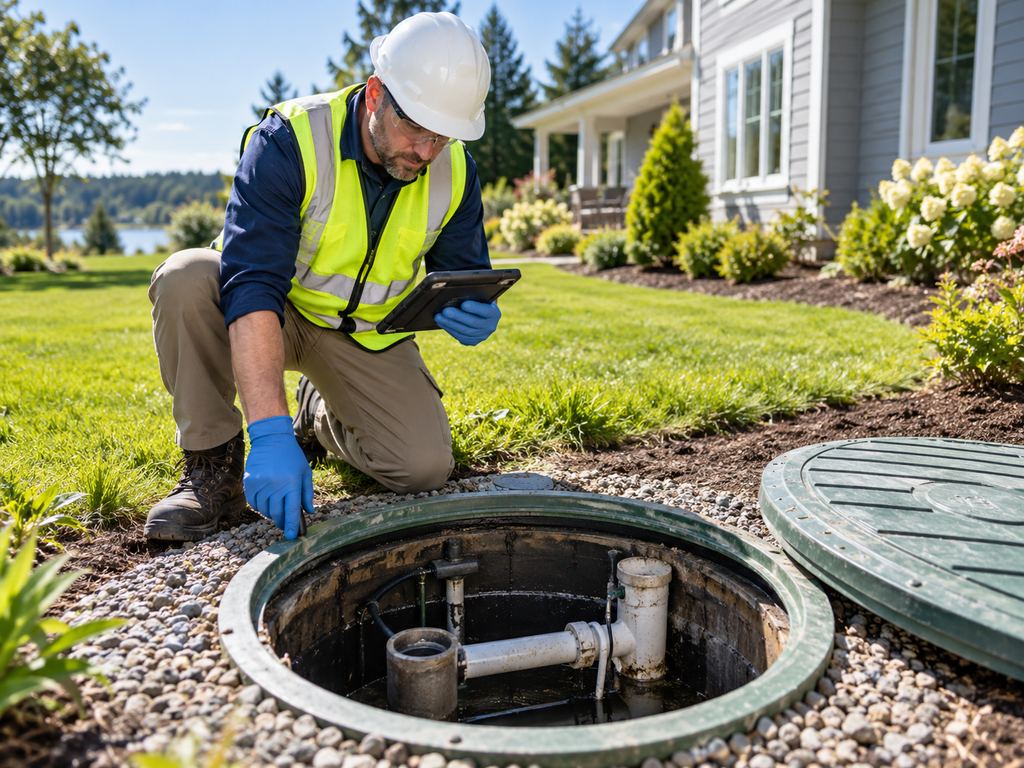
A septic system is an underground wastewater treatment structure that treats household sewage naturally. It is commonly used in areas where homes are not connected to centralized sewer systems.
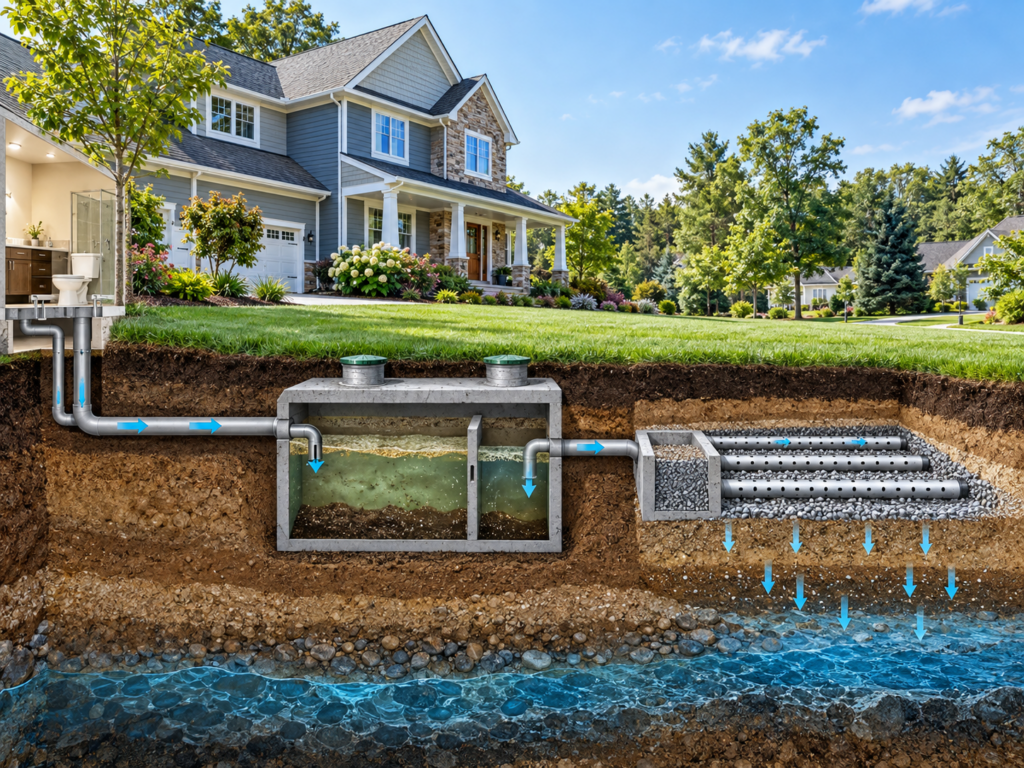
A typical residential septic system includes three major components:
Septic Tank
The septic tank is a buried container that collects wastewater from toilets, sinks, showers, washing machines, and other household plumbing fixtures.
Inside the tank:
- Solid waste settles at the bottom as sludge
- Oils and grease float to the top as scum
- Natural bacteria break down organic materials
- Liquid wastewater flows into the drain field
Drain Field
The drain field, also called a leach field, distributes treated wastewater into the soil. The soil naturally filters the water and removes harmful bacteria, nutrients, and contaminants.
Soil Treatment Area
The surrounding soil acts as a natural filtration system. Proper soil conditions are essential for effective wastewater treatment and groundwater protection.
According to guidance from the U.S. Environmental Protection Agency, regular maintenance and proper system design are essential for preventing septic failures and environmental contamination.
Why Septic System Maintenance Matters
Many homeowners underestimate the importance of septic maintenance. Unlike household appliances, septic systems operate underground, and problems may remain hidden until serious damage occurs.
Regular maintenance helps:
Prevent System Failures
A neglected septic tank can become overloaded with solids. When sludge builds up, wastewater may not flow properly, causing backups, unpleasant odors, and plumbing problems.
Protect Drinking Water
A failing septic system can introduce bacteria, viruses, and harmful pollutants into groundwater supplies. Proper maintenance reduces contamination risks and helps protect community water resources.
Avoid Expensive Repairs
Replacing a damaged drain field or repairing a failed septic system can cost thousands of dollars. Routine inspections and pumping are usually much more affordable.
Extend System Lifespan
A well-maintained septic system can last for decades. Proper care reduces stress on system components and improves long-term performance.
How the U.S. Environmental Protection Agency Supports Septic System Safety
The U.S. Environmental Protection Agency provides educational information and best practices to help homeowners, communities, and professionals manage septic systems effectively.
EPA resources focus on several important areas:
Septic System Education
Many septic problems happen because homeowners do not understand how their systems work. Educational programs help people learn:
- What can and cannot enter a septic system
- When tanks need inspection or pumping
- How to identify warning signs
- How septic systems affect the environment
Understanding basic septic care allows homeowners to make better decisions and prevent avoidable damage.
Protecting Water Quality
One of the major goals of septic system management is protecting water quality. Poorly maintained septic systems may release untreated wastewater into the environment.
This can affect:
- Drinking water sources
- Rivers and lakes
- Coastal areas
- Local ecosystems
Responsible septic maintenance supports cleaner water and healthier communities.
Promoting Sustainable Wastewater Management
The U.S. Environmental Protection Agency encourages sustainable approaches to wastewater treatment. Properly managed septic systems provide an effective solution for homes in areas where traditional sewer infrastructure is unavailable.
Sustainable septic practices include:
- Regular inspections
- Efficient water usage
- Protecting drain fields
- Preventing harmful chemicals from entering tanks
- Proper wastewater treatment
Common Septic System Problems and Warning Signs
Recognizing early warning signs can help homeowners prevent major failures.
Slow Drains
If sinks, showers, or toilets drain slowly throughout the home, it may indicate that the septic system is reaching capacity or experiencing a blockage.
Sewage Backup
Wastewater backing up into the home is a serious warning sign. It may indicate a full septic tank, damaged pipes, or drain field problems.
Bad Odors
Strong sewage smells near the septic tank or drain field may indicate improper treatment or system failure.
Standing Water
Pools of water around the drain field may mean the soil cannot absorb wastewater properly.
Unusually Green Grass
A very green area above the drain field may indicate excessive nutrients from wastewater reaching the surface.
Septic Tank Maintenance Tips for Homeowners
Following simple maintenance practices can significantly improve septic system performance.
Schedule Regular Inspections
Professional inspections help identify problems before they become expensive repairs.
Experts typically check:
- Tank condition
- Sludge levels
- Pipe connections
- Drain field performance
- Signs of leaks
Pump Your Septic Tank When Needed
The frequency of septic pumping depends on:
- Household size
- Water usage
- Tank size
- Amount of solid waste produced
Many homes require pumping every few years, but homeowners should follow professional recommendations based on their specific system.
Reduce Water Waste
Excessive water use can overload a septic system. Simple changes can help:
- Repair leaking faucets
- Install efficient fixtures
- Spread laundry loads throughout the week
- Avoid excessive water use during short periods
Be Careful About What Goes Down the Drain
A septic system is not designed to handle everything.
Avoid flushing or draining:
- Cooking grease
- Chemical cleaners
- Paint
- Medication
- Baby wipes
- Non-degradable materials
These products can damage septic systems and affect wastewater treatment.
Protect Your Drain Field
The drain field requires proper care to function effectively.
Homeowners should:
- Avoid parking vehicles on the drain field
- Keep heavy structures away
- Prevent soil compaction
- Maintain healthy vegetation
Septic System Regulations and Environmental Protection
Septic system regulations vary by state and local government. While the federal government provides educational guidance, many septic system requirements are managed locally.
Local authorities may regulate:
- Septic system installation
- Permitting requirements
- Inspection procedures
- Wastewater treatment standards
Homeowners should always check local requirements before installing or modifying a septic system.
The Role of Professional Septic Services
Professional septic companies provide essential services that help maintain safe and efficient wastewater treatment systems.
Common professional services include:
Septic Inspections
Inspections help identify issues before they become emergencies.
Septic Pumping
Professional pumping removes accumulated sludge and prevents system overload.
Drain Field Evaluation
Experts can determine whether wastewater is properly filtering through the soil.
System Repairs
Professionals can repair damaged tanks, pipes, and other components while ensuring environmental safety.
How Homeowners Can Support Environmental Protection
Every homeowner using a septic system contributes to protecting local ecosystems. Responsible habits reduce pollution and improve community health.
Important actions include:
- Maintaining septic tanks properly
- Conserving household water
- Using environmentally friendly cleaning products
- Scheduling professional inspections
- Learning about local septic requirements
Small maintenance steps can create significant environmental benefits over time.
Frequently Asked Questions About Septic Systems
How often should a septic tank be pumped?
The pumping schedule depends on household size, tank capacity, and wastewater usage. Many systems require pumping every few years, but homeowners should consult a septic professional for recommendations based on their specific situation.
What does the U.S. Environmental Protection Agency recommend for septic care?
The U.S. Environmental Protection Agency recommends regular maintenance, responsible water use, proper waste disposal, and inspections to help septic systems operate safely and protect water quality.
Can household chemicals damage a septic system?
Yes. Large amounts of harsh chemicals, oils, and certain cleaning products can interfere with natural bacteria inside septic tanks and may reduce system efficiency.
How do I know if my septic system is failing?
Common signs include sewage backups, slow drains, unpleasant odors, standing water, and unusually green grass near the drain field.
Are septic systems environmentally friendly?
When properly designed, installed, and maintained, septic systems can provide effective wastewater treatment while protecting groundwater and surrounding ecosystems.
Can I install a septic system anywhere?
No. Septic systems require suitable soil conditions, available space, and approval from local authorities. Site evaluations are usually required before installation.
Conclusion
A septic system is an essential part of wastewater management for millions of American homes. Proper care protects families, communities, and the environment by reducing pollution risks and maintaining clean water resources.
The U.S. Environmental Protection Agency provides valuable guidance that helps homeowners understand septic systems, practice responsible maintenance, and support sustainable wastewater solutions.
By scheduling inspections, maintaining tanks, protecting drain fields, and following recommended septic practices, homeowners can improve system performance and avoid costly problems. A well-managed septic system is not only an investment in your property but also an important step toward protecting the environment for future generations.

