
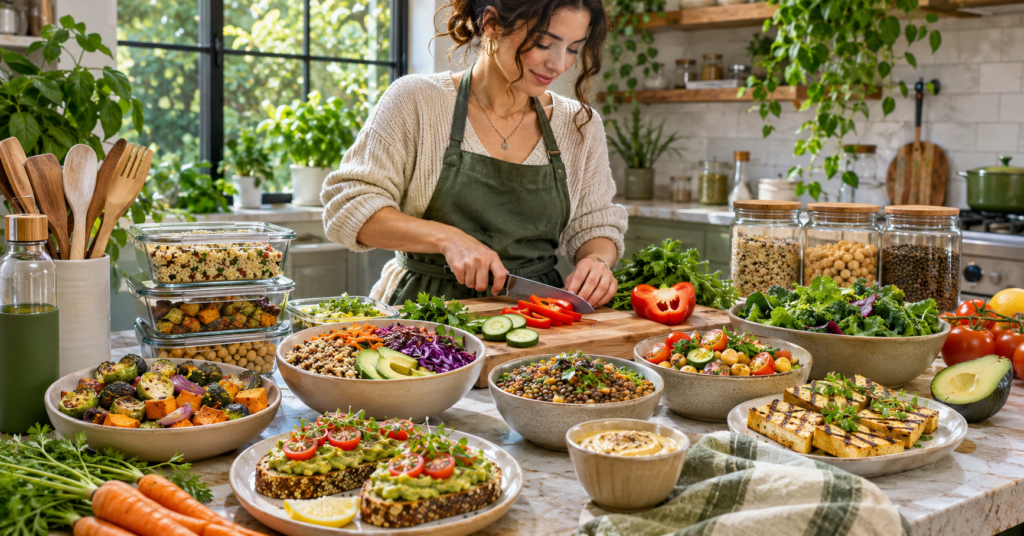
Preparing delicious plant-based food does not have to be expensive, complicated, or time-consuming. With the right ingredients, simple cooking techniques, and a little creativity, anyone can enjoy satisfying vegan dishes at home.
Learning how to whip up your vegan meals can help you develop healthier eating habits, explore exciting flavors, and adopt more environmentally conscious kitchen practices.
Across the United States, many households are exploring plant-based alternatives to traditional meat and dairy products. From colorful breakfast bowls to hearty dinners, vegan cooking offers endless possibilities.
Whether you are a beginner or an experienced home cook, this guide provides practical tips for preparing affordable, flavorful, and nutritious plant-based meals.
Why Learning to Whip Up Your Vegan Meals Matters
Plant-based cooking encourages people to explore vegetables, fruits, legumes, whole grains, nuts, and seeds. These ingredients can provide fiber, protein, vitamins, and essential minerals when incorporated into a balanced diet.
Preparing meals at home also gives you greater control over ingredients, portion sizes, sodium, and added sugars. Choosing seasonal produce and reducing food waste can support more sustainable household habits.
However, vegan eating requires thoughtful nutritional planning, particularly regarding vitamin B12, calcium, iron, iodine, and omega-3 fatty acids. A varied diet with appropriate fortified foods and supplements can help address nutritional needs.
15 Practical Tips to Whip Up Your Vegan Meals
1. Stock Your Kitchen With Essential Vegan Ingredients
A well-stocked kitchen makes everyday cooking easier. Keep pantry staples such as brown rice, quinoa, lentils, chickpeas, canned beans, oats, pasta, and olive oil.
Having these ingredients available allows you to whip up your vegan meals without making frequent grocery store visits.
Combine pantry essentials with fresh or frozen vegetables to create nutritious dishes. Affordable ingredients can provide the foundation for soups, salads, sandwiches, and filling dinner bowls.
2. Plan Your Weekly Vegan Menu
Meal planning can reduce grocery expenses, minimize food waste, and simplify busy weekdays.
Create a weekly menu featuring breakfast, lunch, dinner, and healthy snacks. Choose recipes that use overlapping ingredients so you can finish opened packages and fresh produce.
When you plan ahead, you can whip up your vegan meals more efficiently while avoiding unnecessary takeout orders.
Start with familiar recipes before experimenting with more advanced dishes.
3. Choose Fresh and Seasonal Produce
Seasonal fruits and vegetables can offer excellent flavor and affordable prices when locally available.
American shoppers can explore farmers markets, grocery stores, and community-supported agriculture programs for fresh ingredients.
Use strawberries and asparagus in spring, tomatoes and zucchini in summer, pumpkins in fall, and root vegetables during winter.
Seasonal ingredients make it easier to whip up your vegan meals while enjoying different flavors throughout the year.
4. Prepare Quick and Nutritious Vegan Breakfasts
Starting your morning with a balanced breakfast can help support your daily nutritional needs.
Simple plant-based breakfast ideas include:
- Overnight oats with almond butter and berries
- Avocado toast with white beans
- Banana and peanut butter smoothies
- Tofu scramble with spinach
- Chia pudding with fortified soy milk
Prepare overnight oats or smoothie ingredients the evening before to save time during busy mornings. Include protein-rich ingredients alongside fruits and whole grains for a more satisfying breakfast.
5. Experiment With Plant-Based Protein Sources
Protein is an important nutrient that supports muscle maintenance and numerous bodily functions.
Lentils, beans, tofu, tempeh, edamame, nuts, seeds, and seitan are useful plant-based protein sources.
When you whip up your vegan meals, include a suitable protein-rich ingredient rather than relying entirely on vegetables.
Try chickpea curries, grilled tofu sandwiches, lentil tacos, or black bean burgers. These options provide variety while helping create more substantial meals.
6. Use Herbs and Spices for Better Flavor
Seasonings can transform ordinary vegetables and grains into flavorful dishes.
Keep garlic powder, cumin, turmeric, smoked paprika, oregano, cinnamon, black pepper, and chili flakes in your kitchen.
Fresh herbs such as cilantro, parsley, and basil can add brightness to salads, pasta, and soups.
Learning to combine seasonings helps you whip up your vegan meals with exciting flavors without depending heavily on added salt or expensive specialty sauces.
7. Master Simple One-Pot Vegan Recipes
One-pot recipes are excellent for busy individuals and families because they simplify cooking and reduce cleanup.
Popular options include vegetable chili, lentil soup, chickpea curry, mushroom rice, and tomato-based pasta.
You can whip up your vegan meals using a single cooking pot and several affordable ingredients.
Prepare larger portions when practical, refrigerate leftovers promptly, and enjoy them for lunch or dinner during the following days.
8. Make Your Own Plant-Based Sauces
Homemade sauces can add flavor and variety to everyday dishes.
Blend tahini, lemon juice, garlic, and water for a creamy dressing. Combine basil, olive oil, nutritional yeast, and suitable nuts for dairy-free pesto.
Other options include avocado dressing, cashew cream, tomato salsa, and peanut sauce.
Homemade dressings allow you to adjust flavors according to your preferences while controlling added salt, sugar, and oil.
9. Save Time With Vegan Meal Preparation
Meal preparation is particularly useful for people balancing work, education, and family responsibilities.
Cook grains, wash vegetables, prepare beans, and organize ingredients in reusable food containers.
Having prepared ingredients ready allows you to whip up your vegan meals quickly throughout the week.
Store cooked foods safely in the refrigerator and freeze portions you cannot finish within a few days. Label containers with preparation dates to avoid unnecessary waste.
10. Explore International Vegan Cuisines
Many international cuisines offer delicious dishes featuring naturally plant-based ingredients.
Explore Indian lentil curries, Mexican bean tacos, Mediterranean hummus, Thai vegetable stir-fries, and Middle Eastern falafel.
These culinary traditions provide inspiration when you want to whip up your vegan meals with exciting new textures and flavors.
Experimenting with international recipes can make everyday cooking more enjoyable. Check prepared sauces and seasonings for hidden animal-derived ingredients.
11. Choose Eco-Friendly Cooking Methods
Sustainable cooking involves using kitchen resources thoughtfully and reducing unnecessary energy consumption.
Use appropriately sized cookware, cover pots when suitable, and avoid excessive oven preheating.
Pressure cookers can reduce cooking times for dried beans and certain grains. Steaming vegetables can also require relatively little water.
When you whip up your vegan meals using efficient cooking methods, you may reduce household energy usage while saving valuable preparation time.
12. Reduce Food Waste Creatively
Food waste can increase household expenses and create unnecessary environmental impacts.
Use leftover roasted vegetables in sandwiches, wraps, or grain bowls. Turn ripe bananas into smoothies or homemade banana bread.
Freeze excess produce before it spoils and use suitable vegetable trimmings to prepare homemade stock.
Organize your refrigerator so older ingredients remain visible. Planning meals around ingredients you already own can help you make better use of your groceries.
13. Prepare Budget-Friendly Vegan Dinners
Plant-based dinners do not require expensive meat substitutes or specialty products.
Affordable dinner ideas include bean burritos, vegetable pasta, lentil shepherd’s pie, baked potatoes with chili, and rice bowls with tofu.
You can whip up your vegan meals on a reasonable budget by purchasing dried legumes, frozen vegetables, and store-brand grains.
Compare unit prices at grocery stores and buy larger packages only when you can use the contents before they expire.
14. Create Healthy Homemade Vegan Snacks
Homemade snacks provide convenient options between meals and can reduce reliance on highly processed packaged products.
Try roasted chickpeas, fresh fruit with nut butter, homemade trail mix, hummus with vegetables, or oatmeal energy bites.
Keep simple ingredients available so you can whip up your vegan meals and snacks whenever hunger strikes.
Portable snacks are especially useful for school, work, road trips, and outdoor activities.
15. Keep Vegan Cooking Simple and Enjoyable
You do not need complicated recipes or professional cooking equipment to prepare delicious food.
Start with familiar dishes and replace animal-based ingredients with suitable plant-based alternatives.
For example, use lentils in pasta sauce, beans in tacos, and fortified soy milk in oatmeal.
The more frequently you whip up your vegan meals, the more comfortable you will become with ingredient combinations, preparation methods, and flavor development.
Common Vegan Cooking Mistakes to Avoid
Many beginners rely too heavily on processed alternatives, underestimate nutritional requirements, or purchase unfamiliar ingredients they rarely use.
Before you whip up your vegan meals, check your available ingredients and choose recipes that match your cooking experience.
Focus on balanced meals containing protein, whole grains, vegetables, and appropriate sources of healthy fats.
Avoid assuming every vegan product is automatically nutritious. Read ingredient lists and nutrition labels, particularly when purchasing packaged foods.
Frequently Asked Questions
How can I whip up your vegan meals quickly?
Keep cooked grains, canned beans, frozen vegetables, and homemade sauces available. Simple salads, wraps, stir-fries, and grain bowls require minimal preparation.
Is vegan cooking expensive?
Not necessarily. Beans, lentils, oats, rice, potatoes, and seasonal vegetables are generally affordable ingredients available throughout the United States.
How can beginners prepare balanced plant-based meals?
Include vegetables, whole grains, protein-rich legumes or soy products, and healthy fats. Pay attention to essential nutrients, especially vitamin B12.
Can I whip up your vegan meals without special equipment?
Yes. Basic kitchen equipment, including a knife, cutting board, saucepan, skillet, and baking tray, is sufficient for preparing most everyday plant-based recipes.
Can vegan meals be frozen?
Many dishes, including vegetable soups, lentil curries, bean chili, and cooked grains, freeze well when stored correctly in suitable containers.
Conclusion
Learning to whip up your vegan meals is a rewarding way to explore delicious ingredients, develop practical cooking skills, and support environmentally conscious living.
From affordable pantry staples and seasonal vegetables to international recipes and efficient cooking methods, plant-based eating offers countless opportunities for creativity.
Start with simple recipes, plan your meals, reduce unnecessary food waste, and gradually explore new flavors. With consistent practice, vegan cooking can become an enjoyable and sustainable part of your everyday lifestyle.