
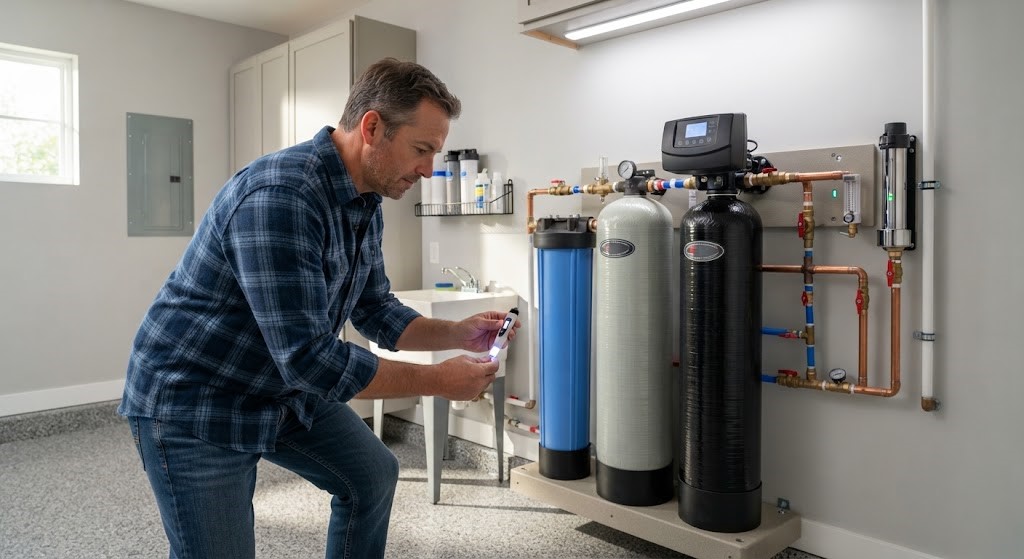
Clean water is essential for everyday life. From drinking and cooking to bathing and cleaning, homeowners rely on their water supply for countless daily activities. However, many households experience concerns about water quality, including unpleasant tastes, odors, hard water problems, mineral buildup, and unwanted contaminants.
A whole-home water treatment system provides a comprehensive solution by treating water at the point where it enters the home. Unlike small filters attached to individual faucets, these systems are designed to improve water quality throughout the entire property.
For homeowners who want cleaner water from every tap, better protection for plumbing fixtures, and a healthier home environment, investing in a whole-home water treatment system can provide significant benefits.
Understanding how these systems work, what problems they solve, and how to choose the right option can help homeowners make informed decisions about their water quality needs.
What Is a Whole-Home Water Treatment System?

A whole-home water treatment system is a filtration and purification solution installed at the main water line entering a house. Instead of treating water at only one faucet, it filters or conditions water before it reaches every fixture.
This means treated water can be available throughout the home, including:
- Kitchen faucets
- Bathroom sinks
- Showers
- Washing machines
- Dishwashers
- Outdoor connections
The exact treatment process depends on the system design and the specific water quality issues being addressed.
Common whole-home treatment technologies include:
- Sediment filtration
- Carbon filtration
- Water softening
- Reverse osmosis systems
- UV purification
- Specialty contaminant filters
Why Homeowners Consider Whole-Home Water Treatment Systems
Water quality can vary significantly depending on location, water source, and local infrastructure.
Some homes receive municipal water, while others rely on private wells. Both sources can have different challenges.
Common reasons homeowners install whole-home water treatment systems include:
- Improving taste and odor
- Reducing unwanted substances
- Protecting plumbing systems
- Preventing mineral buildup
- Creating better bathing water
- Improving overall water quality
Instead of addressing problems individually, a whole-home system provides a complete approach.
Common Water Problems a Whole-Home Water Treatment System Can Address
Different homes experience different water challenges.
Hard Water Problems
Hard water contains elevated levels of minerals such as calcium and magnesium.
Although hard water is not usually considered dangerous, it can create household problems.
Common signs include:
- White mineral deposits
- Soap that does not rinse easily
- Dry skin and hair
- Reduced appliance efficiency
- Scale buildup on fixtures
A water softening component can help reduce these issues by managing mineral content.
Unpleasant Taste and Odor
Some water supplies may have noticeable smells or tastes caused by naturally occurring substances or treatment chemicals.
Carbon filtration systems can help improve:
- Chlorine taste
- Odors
- Certain organic compounds
Better-tasting water can encourage families to drink more water and reduce reliance on bottled water.
Sediment and Particles
Water may contain small particles such as:
- Sand
- Dirt
- Rust
- Sediment
A sediment filter helps capture these materials before water reaches household fixtures.
This can help protect:
- Plumbing components
- Appliances
- Water heaters
Chlorine and Chemical Concerns
Municipal water is commonly treated with disinfectants to maintain safety standards.
Some homeowners prefer additional filtration to reduce chlorine taste and odor.
Carbon filtration is commonly used for this purpose.
Well Water Challenges
Homes using private wells may experience different concerns.
Potential issues can include:
- Minerals
- Iron
- Sulfur odors
- Sediment
- Hardness
A water test can help determine which treatment methods are appropriate.
How Does a Whole-Home Water Treatment System Work?
A whole-home system typically works through several stages.
Step 1: Water Enters the Home
The main water supply enters the property through the primary water line.
The treatment system is installed at this entry point.
Step 2: Water Passes Through Filters or Treatment Components
Depending on the system design, water may pass through different treatment stages.
For example:
- Sediment filters capture particles
- Carbon filters reduce odors and certain chemicals
- Softeners manage hardness minerals
- UV systems target microorganisms
Step 3: Treated Water Moves Throughout the House
After treatment, water travels through the home’s plumbing system.
This allows homeowners to access improved water quality from multiple fixtures.
Benefits of Installing a Whole-Home Water Treatment System
A whole-home system provides advantages beyond simply improving drinking water.
Cleaner Water Throughout the Entire Home
One of the biggest benefits is consistent water quality everywhere.
Unlike countertop filters or faucet attachments, whole-home systems treat water before distribution.
This means homeowners can enjoy improved water quality for:
- Drinking
- Cooking
- Showering
- Laundry
- Cleaning
Protection for Plumbing and Appliances
Minerals and sediment can affect plumbing systems over time.
A treatment system can help reduce:
- Scale buildup
- Corrosion concerns
- Appliance wear
Protecting appliances such as water heaters, dishwashers, and washing machines may help extend their lifespan.
Better Skin and Hair Feel
Hard water minerals can affect how soap and shampoo work.
Some homeowners notice benefits such as:
- Softer-feeling water
- Easier rinsing
- Less residue
Reduced Dependence on Bottled Water
Many families purchase bottled water because of concerns about taste or quality.
A whole-home treatment system can provide convenient access to improved water throughout the house.
This may reduce plastic waste and ongoing bottled water expenses.
Convenience and Low Daily Maintenance
Once installed correctly, many modern systems operate automatically.
Depending on the technology, maintenance may involve:
- Filter replacement
- Salt refilling for softeners
- System inspections
Types of Whole-Home Water Treatment Systems
Choosing the right system depends on water quality concerns.
Whole-Home Water Filtration Systems
These systems remove unwanted particles and improve overall water quality.
They are commonly used for:
- Sediment reduction
- Taste improvement
- Odor control
Whole-Home Water Softeners
Water softeners specifically target hardness minerals.
They are useful for homes experiencing:
- Scale buildup
- Mineral deposits
- Hard water effects
Whole-Home Carbon Filtration Systems
Carbon filters use activated carbon to reduce certain substances affecting taste and odor.
They are commonly used for improving overall water freshness.
UV Water Treatment Systems
UV systems use ultraviolet light technology to help address microorganisms.
They are often considered for homes with specific water safety concerns.
Reverse Osmosis Systems
Reverse osmosis provides advanced filtration by pushing water through specialized membranes.
While many reverse osmosis systems are installed at drinking water points, some larger systems can be incorporated into broader treatment solutions.
Choosing the Right Whole-Home Water Treatment System
Selecting the right system requires understanding your home’s specific water conditions.
Test Your Water Quality
The first step is identifying what is actually in your water.
Testing can provide information about:
- Hardness levels
- Minerals
- Sediment
- Chemical content
- Other concerns
A water test helps prevent choosing unnecessary equipment.
Understand Your Water Source
Your water source affects treatment requirements.
Municipal water and well water may require different approaches.
Consider Household Water Usage
Larger households may need systems designed for higher water demand.
Consider:
- Number of residents
- Number of bathrooms
- Daily water consumption
Evaluate Maintenance Requirements
Different systems require different levels of maintenance.
Homeowners should consider:
- Filter replacement schedules
- Operating costs
- Required servicing
Professional Installation vs DIY Systems
Some small water filters can be installed by homeowners, but whole-home systems usually require professional installation.
Professional installation helps ensure:
- Correct placement
- Proper plumbing connections
- Efficient operation
- System safety
A qualified water treatment professional can also recommend solutions based on actual water testing results.
Maintenance Tips for Whole-Home Water Treatment Systems
Regular maintenance helps keep a system performing effectively.
Important steps include:
Replace Filters on Schedule
Filters become less effective when they become overloaded.
Follow manufacturer recommendations for replacement.
Monitor Water Quality Changes
Changes in taste, odor, or appearance may indicate that maintenance is needed.
Schedule Professional Inspections
Periodic inspections can help identify problems before they become larger issues.
Check System Components
Inspect:
- Connections
- Tanks
- Filters
- Valves
Early detection can prevent unexpected failures.
Frequently Asked Questions About Whole-Home Water Treatment Systems
What does a whole-home water treatment system do?
A whole-home water treatment system treats water before it enters your home’s plumbing system, improving water quality throughout multiple fixtures.
Is a whole-home water treatment system worth it?
For homeowners dealing with water quality concerns such as hardness, odors, sediment, or unwanted substances, a whole-home system can provide convenience and long-term benefits.
How long does a whole-home water treatment system last?
The lifespan depends on the system type, water conditions, maintenance, and usage. Regular maintenance can help extend system performance.
Does a whole-home water filter remove all contaminants?
No single system removes every possible substance. The right system depends on water testing results and the specific treatment technology used.
Do whole-home water treatment systems require maintenance?
Yes. Maintenance may include replacing filters, checking components, and servicing certain equipment.
Can a whole-home water treatment system improve shower water?
Yes. Treating water throughout the home can improve water quality used for bathing, including reducing hardness-related issues.
Conclusion
A whole-home water treatment system provides a practical way to improve water quality throughout an entire property. Instead of relying on individual faucet filters, homeowners can create a comprehensive solution that supports cleaner water for drinking, cooking, bathing, and everyday household activities.
By reducing issues such as hard water, sediment, unpleasant odors, and other water quality concerns, these systems can improve comfort while helping protect plumbing fixtures and appliances.
Choosing the right system begins with understanding your water supply, testing water quality, and selecting treatment methods designed for your specific needs. With proper installation and maintenance, a whole-home water treatment system can provide reliable access to better-quality water for years to come.

