
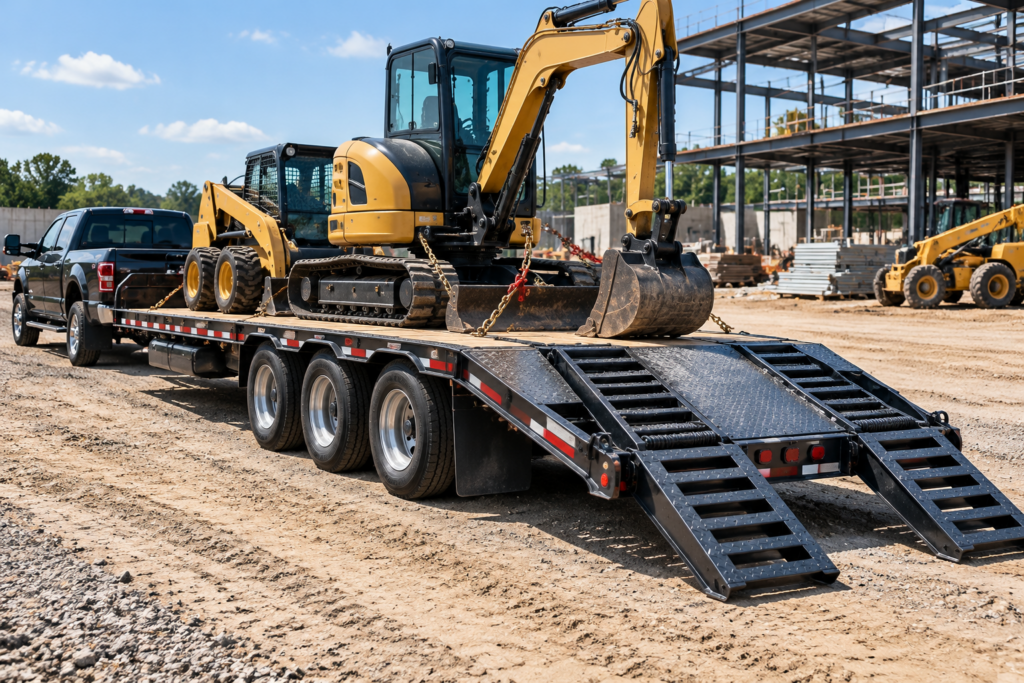
Transporting heavy machinery, vehicles, and industrial equipment requires the right trailer solution. Standard flatbed trailers may work for basic loads, but many businesses and operators need improved loading access, greater flexibility, and enhanced safety.
This is where Beavertail Trailers provide an effective solution. Designed with an angled rear section that lowers the loading angle, beavertail trailers make it easier to load and unload vehicles, machinery, and equipment with wheels or tracks.
From construction companies and agricultural businesses to equipment hire operators and transport professionals, these trailers are valued for their durability, practicality, and versatility.
This guide explains what beavertail trailers are, their benefits, common applications, key features, and how to select the right trailer for your transport needs.
What Are Beavertail Trailers?
Beavertail Trailers are specialized flatbed trailers featuring a downward-sloping rear section, often combined with ramps, to create a smoother loading and unloading process.
The unique rear design resembles the shape of a beaver’s tail, which is where the name comes from.
Unlike traditional flat trailers with a completely straight deck, the beavertail design provides:
- Lower loading angles
- Easier equipment access
- Improved safety during loading
- Better ground clearance management
These trailers are commonly used for transporting:
- Excavators
- Tractors
- Cars
- Plant machinery
- Construction equipment
- Utility vehicles
Their design makes them especially useful for industries where heavy equipment must be moved frequently.
Why Choose Beavertail Trailers for Equipment Transport?
Transporting valuable machinery requires a trailer that can handle weight, provide stability, and simplify operations.
1. Easier Loading and Unloading
One of the biggest advantages of beavertail trailers is their improved loading design.
The sloped rear section reduces the angle between the ground and trailer deck, allowing equipment to move onto the trailer more smoothly.
This is especially helpful when loading:
- Wheeled machinery
- Tracked equipment
- Vehicles with limited clearance
A smoother loading process reduces stress on equipment and improves operator confidence.
2. Improved Safety During Transport
Safety is a major concern when moving heavy loads.
A well-designed beavertail trailer helps improve safety through:
- Stable loading surfaces
- Strong construction materials
- Secure tie-down points
- Better weight distribution
Properly loading equipment reduces movement during transportation and lowers the risk of accidents.
3. Versatile Transport Applications
One reason many industries choose Beavertail Trailers is their flexibility.
They can be used across multiple sectors, including:
Construction Industry
Construction companies often need to move:
- Excavators
- Loaders
- Generators
- Building equipment
Beavertail trailers provide a practical way to transport machinery between job sites.
Agriculture
Farmers and agricultural businesses use these trailers for moving:
- Tractors
- Farm equipment
- Utility vehicles
- Maintenance machinery
Automotive Transport
Vehicle recovery businesses and automotive professionals use beavertail trailers for transporting cars and specialty vehicles.
Landscaping Services
Landscaping companies benefit from trailers that can carry:
- Mowers
- Small excavators
- Compact machinery
- Tools
Key Features of Quality Beavertail Trailers
When selecting a trailer, understanding important features helps buyers make better decisions.
Strong Structural Construction
A durable trailer should be built with materials designed to handle heavy loads.
Important construction features include:
- Heavy-duty steel frames
- Reinforced deck structures
- Quality welding
- Corrosion-resistant finishes
Strong construction improves reliability and extends trailer lifespan.
Practical Ramp Design
The ramp system plays an important role in loading performance.
A good beavertail trailer may include:
- Fold-down ramps
- Hydraulic ramps
- Extended loading surfaces
- Secure ramp locking systems
The right ramp design depends on the equipment being transported.
Proper Weight Capacity
Every trailer has a maximum load rating.
Choosing a trailer with the correct capacity is essential for:
- Safe operation
- Legal compliance
- Preventing structural damage
Operators should consider both current and future transport requirements.
Secure Tie-Down Options
Heavy equipment must remain stable during transport.
Quality trailers include suitable attachment points for:
- Chains
- Straps
- Safety restraints
Proper securing methods help protect both equipment and road users.
Beavertail Trailers vs Standard Flatbed Trailers
Both trailer types have advantages, but they serve different purposes.
Flatbed Trailers
Flatbed trailers are suitable for:
- General cargo
- Pallets
- Materials
- Simple loads
They provide a large flat loading surface.
Beavertail Trailers
Beavertail trailers are better suited for:
- Heavy machinery
- Vehicles
- Wheeled equipment
- Equipment requiring easier access
The sloped rear design provides a major advantage when loading mobile machinery.
For businesses that frequently transport equipment, beavertail trailers often provide greater convenience.
How to Choose the Right Beavertail Trailer
Choosing the right trailer depends on your specific transportation needs.
Consider the Type of Equipment
Start by identifying what you will transport.
Different equipment requires different trailer specifications.
Consider:
- Equipment size
- Weight
- Wheelbase
- Loading method
- Frequency of transport
Check Trailer Capacity
Always select a trailer capable of safely handling your heaviest expected load.
A trailer that is too small may create safety issues, while an oversized trailer may increase unnecessary costs.
Evaluate Trailer Features
Look for features that match your requirements, such as:
- Ramp style
- Deck length
- Braking systems
- Suspension type
- Storage options
Consider Operating Conditions
Think about where the trailer will be used.
For example:
- Construction sites may require extra durability
- Agricultural use may require corrosion resistance
- Long-distance transport may require improved stability
Benefits of Investing in Quality Beavertail Trailers
Increased Productivity
Efficient loading and unloading saves time, especially for businesses moving equipment regularly.
Less downtime means more productive operations.
Reduced Equipment Handling Risks
A smoother loading process helps reduce potential damage to expensive machinery.
Long-Term Value
A high-quality trailer can provide years of dependable service when properly maintained.
Although initial cost is important, durability and reliability often provide better long-term value.
Greater Transport Flexibility
A versatile trailer allows businesses to handle different equipment transportation needs without requiring multiple trailer types.
Maintenance Tips for Beavertail Trailers
Regular maintenance helps protect your investment.
Inspect the Trailer Frame
Check for:
- Cracks
- Rust
- Structural damage
- Loose connections
Early detection prevents larger problems.
Maintain Braking Systems
Trailer brakes are essential for safe operation.
Regularly inspect:
- Brake components
- Electrical connections
- Brake performance
Check Tires and Wheels
Trailer tires experience significant loads.
Inspect:
- Tire pressure
- Tread condition
- Wheel bearings
- Alignment
Maintain Ramps and Moving Parts
If your trailer has folding or hydraulic ramps, regular maintenance ensures smooth operation.
Common Industries Using Beavertail Trailers
Construction Companies
Used for transporting heavy machinery between locations.
Equipment Rental Businesses
Helps move rental equipment efficiently between customers and job sites.
Farmers and Agricultural Operators
Useful for transporting tractors and farm machinery.
Transport Companies
Provides flexible solutions for moving vehicles and specialized equipment.
Government and Utility Services
Used for moving maintenance equipment and operational vehicles.
Frequently Asked Questions About Beavertail Trailers
What are Beavertail Trailers used for?
Beavertail Trailers are commonly used for transporting heavy machinery, vehicles, construction equipment, agricultural machinery, and other large loads.
Why is a beavertail design useful?
The sloped rear design creates a lower loading angle, making it easier and safer to move equipment onto the trailer.
Are Beavertail Trailers suitable for construction equipment?
Yes. They are widely used for transporting excavators, loaders, and other construction machinery.
How do I choose the right beavertail trailer size?
Choose a trailer based on the weight, dimensions, and type of equipment you plan to transport.
Are beavertail trailers better than flatbed trailers?
The best option depends on your needs. Beavertail trailers provide advantages for equipment loading, while flatbeds may be better for general cargo.
How often should a beavertail trailer be maintained?
Regular inspections should be performed based on usage frequency, load conditions, and manufacturer recommendations.
Conclusion
Beavertail Trailers provide a practical and reliable solution for businesses and individuals who regularly transport heavy equipment, vehicles, and machinery.
Their unique rear design improves loading efficiency, enhances safety, and offers greater flexibility compared to traditional trailer options.
Whether you work in construction, agriculture, landscaping, equipment rental, or transportation, choosing a durable beavertail trailer can improve productivity and make equipment handling easier.
By selecting the right size, capacity, and features, a quality beavertail trailer becomes a valuable long-term investment for reliable heavy-duty transport.

