
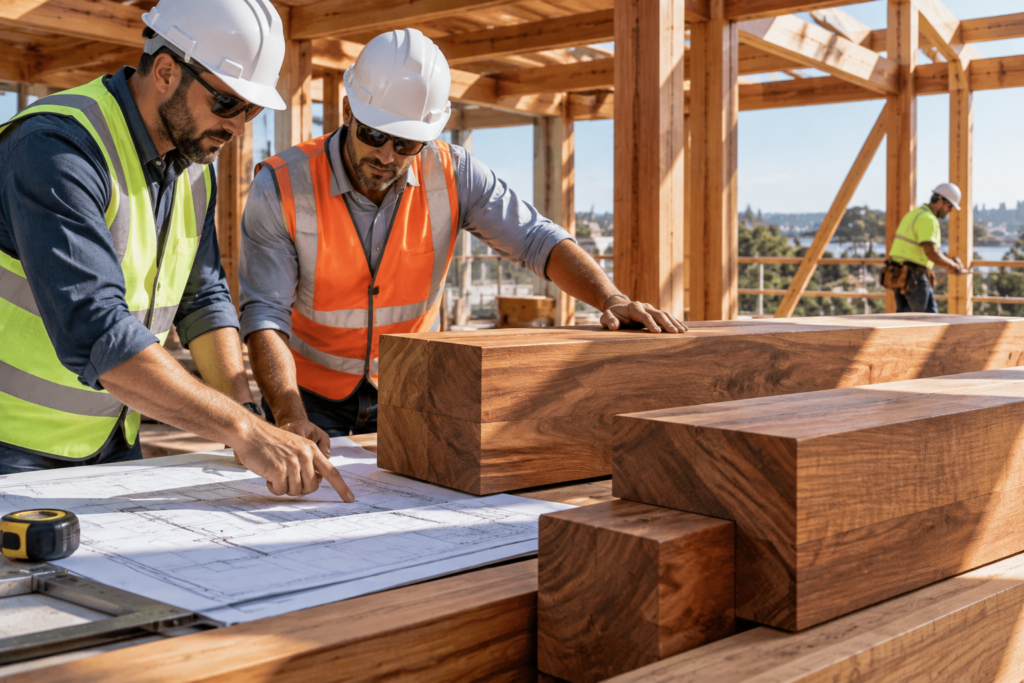
Choosing the right timber is one of the most important decisions in construction and architectural projects. Structural timber must provide reliable strength, durability, and performance while meeting safety requirements and design expectations.
Among the different classifications of structural timber, F17 hardwood is recognized as a high-strength hardwood grade commonly used for demanding construction applications. It offers excellent load-bearing capacity, durability, and stability, making it suitable for beams, posts, frames, and other structural components.
For builders, architects, engineers, and property developers, understanding timber grades is essential because different projects require different levels of strength and performance. F17 represents a specific strength classification that helps professionals select timber based on engineering requirements rather than appearance alone.
This guide explains what F17 hardwood is, how it is graded, its benefits, common applications, and why it remains a popular choice for structural construction projects.
What Is F17 Hardwood?
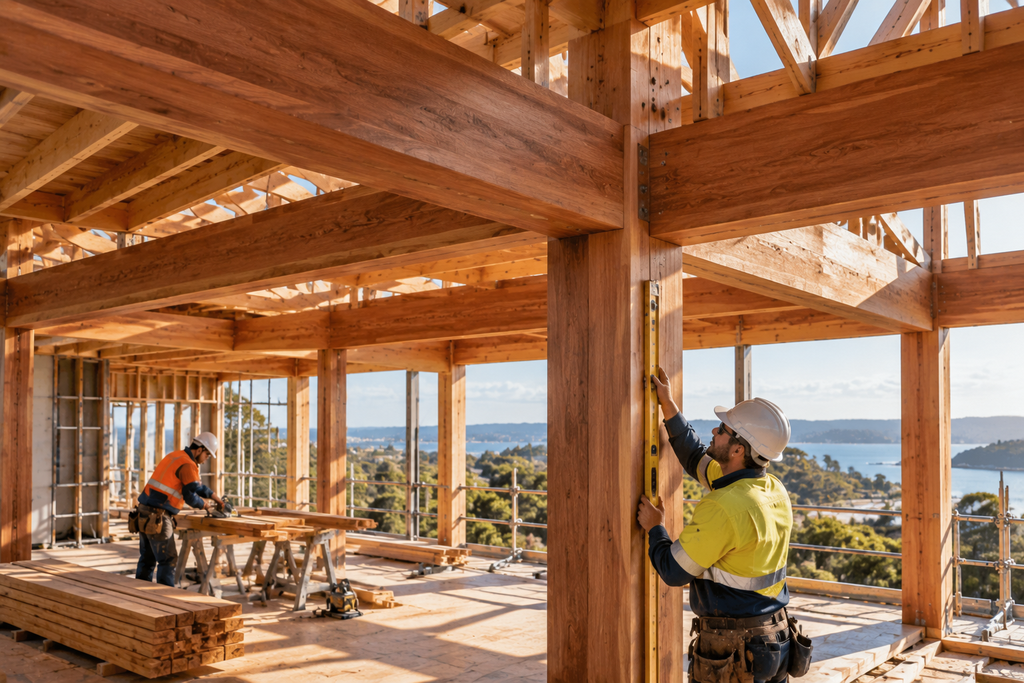
F17 hardwood refers to a structural hardwood timber classification based on its strength properties. The “F” rating system is used to classify structural timber according to its bending strength, with higher numbers representing stronger timber.
An F17 rating indicates that the hardwood has been tested and classified to meet specific structural performance requirements.
Unlike decorative timber products that are mainly selected for appearance, structural hardwood such as F17 hardwood is chosen because of its ability to support loads and perform safely in construction environments.
F17 hardwood is commonly used where strength and durability are important, including:
- Structural beams
- Posts and columns
- Floor systems
- Roof structures
- Heavy-duty framing
- Outdoor structural applications
The exact performance characteristics depend on the timber species, manufacturing process, grading methods, and environmental conditions.
Understanding Hardwood Strength Grades
Timber strength grades help construction professionals understand how much load a timber product can safely handle.
Structural timber is commonly classified through engineering testing that evaluates properties such as:
- Bending strength
- Compression strength
- Stiffness
- Density
- Structural reliability
The F-grade system provides a simple way for engineers and builders to select appropriate timber for different applications.
Higher strength grades are typically used in situations where greater structural performance is required.
What Does the F17 Rating Mean?
The F17 classification indicates a higher-strength structural timber product.
It means the timber has been assessed for mechanical performance and meets specific requirements for structural use.
F17 hardwood is often selected for projects where designers need:
- Strong load support
- Reliable performance
- Long-term durability
- Structural confidence
However, the suitability of F17 depends on project design requirements and professional engineering specifications.
Key Benefits of F17 Hardwood
F17 hardwood offers several advantages that make it suitable for structural applications.
High Structural Strength
One of the main reasons builders choose F17 hardwood is its strength.
Structural hardwood must withstand forces created by:
- Building weight
- Weather conditions
- Occupancy loads
- Long-term pressure
F17 hardwood provides strong mechanical performance, making it suitable for components that require dependable support.
Excellent Durability
Many hardwood species used for structural purposes naturally offer strong resistance against wear and environmental conditions.
With proper selection, treatment, and maintenance, F17 hardwood can provide long-lasting performance in residential and commercial structures.
Natural Stability
Hardwood generally has a dense structure that contributes to stability.
This can help reduce problems associated with weaker timber products, such as excessive movement or reduced structural performance.
Attractive Natural Appearance
Although structural performance is the primary purpose of F17 hardwood, many hardwood species also provide attractive natural grain patterns.
This makes them suitable for projects where structural elements may remain visible.
Examples include:
- Exposed beams
- Timber ceilings
- Architectural features
- Feature posts
Sustainable Construction Option
Timber is a renewable building material when sourced responsibly.
Using certified and responsibly harvested hardwood can support sustainable construction practices while providing strong structural performance.
Common Applications of F17 Hardwood
F17 hardwood is widely used in construction projects requiring reliable strength.
Structural Beams
One of the most common applications of F17 hardwood is structural beams.
Beams support loads across openings and provide important stability within buildings.
Applications include:
- Floor beams
- Roof beams
- Support beams
- Architectural exposed beams
Hardwood Posts and Columns
Strong hardwood posts are commonly used in structures where vertical load support is required.
These may include:
- Residential buildings
- Outdoor structures
- Commercial projects
- Agricultural buildings
Timber Framing
F17 hardwood can be used in timber framing systems where strength and durability are important.
Its structural properties make it suitable for:
- Wall frames
- Support structures
- Heavy-duty frameworks
Outdoor Structures
Certain hardwood species are suitable for external applications due to their natural durability.
Uses may include:
- Pergolas
- Deck structures
- Covered outdoor areas
- Landscape construction
Proper treatment and protection should be considered depending on environmental exposure.
F17 Hardwood vs Lower Grade Timber
Choosing between timber grades depends on the requirements of each project.
Lower-grade timber may be suitable for applications where structural demands are limited, while higher-strength timber is often selected for more demanding projects.
F17 hardwood generally provides:
- Greater load capacity
- Improved structural reliability
- Better suitability for heavy-duty applications
However, selecting the correct timber grade should always depend on engineering calculations and building requirements.
Factors That Affect Hardwood Performance
Although F17 hardwood is a strong structural material, several factors influence its long-term performance.
Timber Species
Different hardwood species have different characteristics.
Factors such as:
- Density
- Natural durability
- Grain structure
- Moisture resistance
can influence performance.
Moisture Content
Proper moisture management is important for timber performance.
Excess moisture can contribute to:
- Movement
- Expansion
- Shrinkage
- Potential deterioration
Installation Quality
Correct installation plays an important role in structural performance.
Important considerations include:
- Proper connections
- Correct support methods
- Suitable fasteners
- Protection from environmental exposure
Maintenance
Regular inspection and maintenance can help extend the service life of structural hardwood.
How F17 Hardwood Is Graded
Structural timber grading involves evaluating timber characteristics to determine its strength classification.
The grading process may consider:
Visual Assessment
Timber may be inspected for features such as:
- Knots
- Grain patterns
- Defects
- Surface conditions
Mechanical Testing
Some timber products undergo machine testing to evaluate strength characteristics.
This helps classify timber according to performance requirements.
Quality Control
Reliable suppliers use quality control processes to ensure timber meets required standards.
This provides confidence that the product performs as expected.
Choosing F17 Hardwood for Construction Projects
Selecting the right timber requires careful consideration of project needs.
Consider Structural Requirements
The first step is understanding the loads and requirements of the project.
Engineers determine what strength level is appropriate.
Check Timber Specifications
Before purchasing, confirm:
- Timber grade
- Dimensions
- Species
- Treatment requirements
- Supplier documentation
Work With Experienced Timber Suppliers
A knowledgeable timber supplier can help customers select suitable products for their applications.
Professional suppliers can provide guidance on:
- Available sizes
- Structural classifications
- Installation considerations
- Project requirements
F17 Hardwood in Sustainable Building Design
Modern construction increasingly focuses on sustainable materials and environmentally responsible building practices.
Hardwood timber can contribute to sustainable construction when sourced responsibly.
Benefits include:
- Renewable resource potential
- Lower environmental impact compared with some alternatives
- Natural appearance
- Long service life
Architects and designers often incorporate hardwood into projects because it combines structural performance with visual appeal.
Maintenance Tips for F17 Hardwood Structures
Proper maintenance helps preserve the appearance and performance of hardwood structures.
Protect Against Moisture
Where timber is exposed to weather, appropriate protection should be considered.
This may include:
- Protective coatings
- Proper drainage
- Weather barriers
Inspect Regularly
Regular checks can identify issues early.
Look for:
- Cracking
- Moisture damage
- Pest activity
- Surface deterioration
Follow Manufacturer Recommendations
Maintenance requirements depend on timber species, location, and exposure conditions.
Frequently Asked Questions About F17 Hardwood
What is F17 hardwood used for?
F17 hardwood is mainly used for structural applications such as beams, posts, framing systems, roof structures, and other projects requiring strong timber performance.
Is F17 hardwood stronger than regular timber?
Yes, F17 hardwood is classified as a higher-strength structural timber grade compared with many lower-grade timber products. The exact difference depends on the specific timber species and classification.
Can F17 hardwood be used outdoors?
Some F17 hardwood products can be used outdoors depending on the species, treatment, and environmental conditions. Proper protection and maintenance are important.
What does the F17 timber rating mean?
The F17 rating indicates a structural strength classification based on timber performance testing and grading requirements.
Is F17 hardwood suitable for residential construction?
Yes, F17 hardwood can be used in residential projects where engineering requirements call for higher-strength structural timber.
How long does F17 hardwood last?
The lifespan depends on timber species, installation quality, environmental exposure, and maintenance practices.
Is F17 hardwood environmentally friendly?
Responsibly sourced hardwood can be a sustainable building material because timber is renewable and can store carbon during its service life.
Conclusion
F17 hardwood is a high-performance structural timber option valued for its strength, durability, and reliability in construction projects. Its classification provides builders and engineers with confidence when selecting materials for demanding structural applications.
From beams and posts to framing systems and architectural timber features, F17 hardwood offers a combination of engineering performance and natural beauty.
Selecting the right timber requires understanding project requirements, environmental conditions, and quality standards. By working with experienced suppliers and following proper installation and maintenance practices, F17 hardwood can provide long-lasting performance for residential, commercial, and architectural projects.

