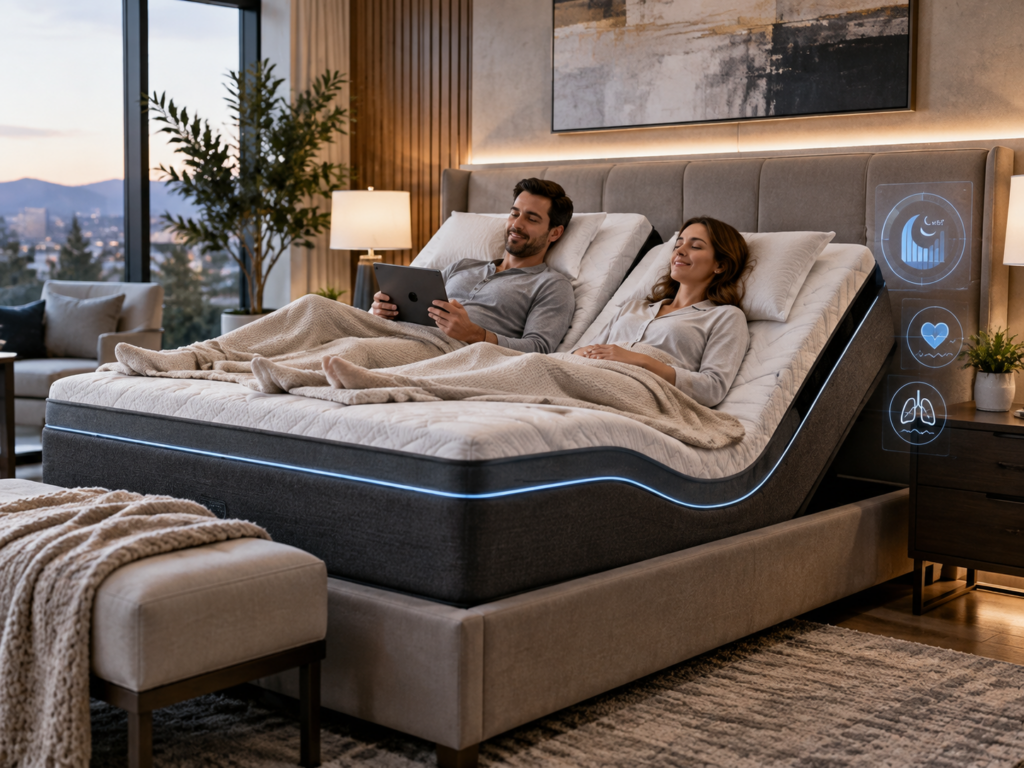
Sleep technology has changed significantly in recent years. Traditional mattresses were designed with fixed comfort levels, meaning every sleeper received the same level of support regardless of body shape, sleeping position, or personal preference. However, modern innovations have introduced smarter solutions that allow mattresses to adjust and respond to individual needs.
One of the most advanced developments in sleep technology is adaptive firmness technology. This system allows a mattress to automatically adjust its firmness and support based on factors such as body pressure, sleeping position, movement, and comfort preferences.
Many people struggle to find the right mattress because firmness is highly personal. A mattress that feels comfortable for one person may feel too soft or too firm for another. Adaptive firmness technology addresses this challenge by creating a more personalized sleep environment.
Understanding how adaptive firmness technology works can help consumers make better decisions when choosing a smart mattress. This guide explains the science behind adaptive firmness, how smart beds adjust support, the benefits of responsive mattresses, and what the future of sleep technology may look like.
What Is Adaptive Firmness Technology?
Adaptive firmness technology is an advanced mattress system designed to automatically modify the firmness and support level of a mattress according to a sleeper’s needs.
Unlike traditional mattresses with fixed materials, adaptive mattresses use smart components that can respond to changes in:
- Body weight distribution
- Sleeping position
- Pressure points
- Movement patterns
- Personal comfort settings
The goal is to provide a more customized sleeping experience by creating the right balance between comfort and support.
Adaptive firmness technology is commonly found in smart beds and advanced mattress systems that combine sensors, adjustable materials, and digital controls.
How Adaptive Firmness Technology Works
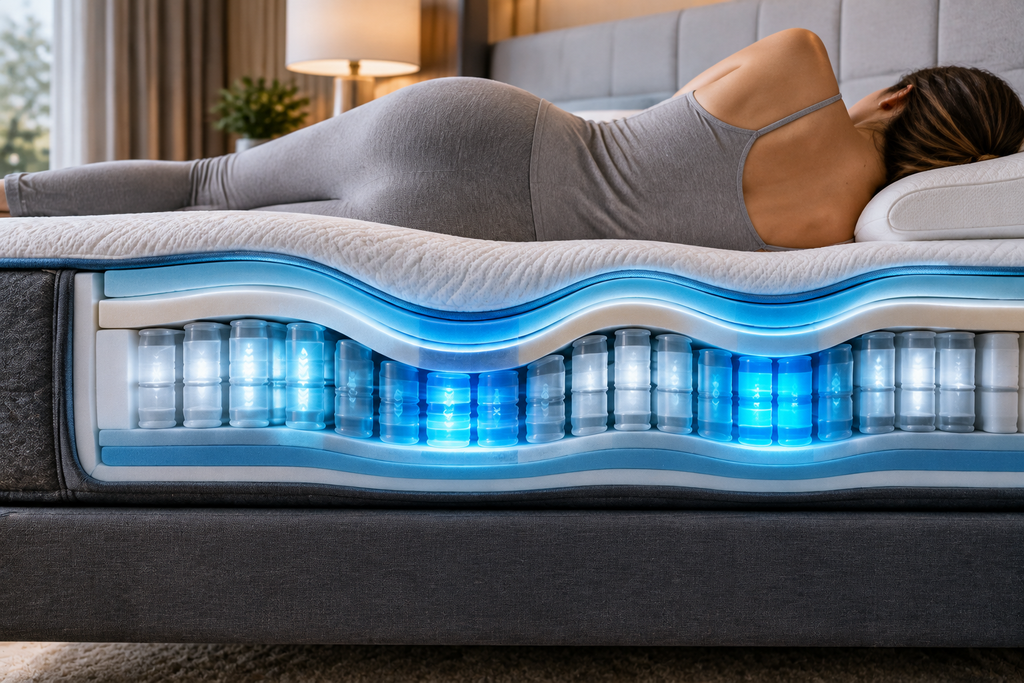
Smart Sensors Detect Body Pressure
One of the most important parts of adaptive firmness technology is the use of sensors.
These sensors monitor how the body interacts with the mattress by detecting:
- Pressure distribution
- Body position
- Movement patterns
- Weight placement
For example, when a person changes from sleeping on their back to their side, pressure points shift. The mattress can recognize these changes and adjust support accordingly.
Intelligent Adjustment Systems
After collecting information from sensors, the mattress system processes the data and determines how support should change.
Advanced smart mattresses may use:
- Computer algorithms
- Digital control systems
- Automated adjustment mechanisms
These systems analyze sleeping conditions and modify mattress firmness to improve comfort.
Adjustable Support Layers
Adaptive firmness technology often relies on specialized mattress materials or adjustable internal structures.
These may include:
- Air chambers
- Responsive foam layers
- Smart support zones
- Flexible mechanical components
By changing the structure or pressure level inside the mattress, the system can create different firmness experiences.
The Science Behind Personalized Mattress Support
Pressure Relief
Pressure relief is one of the main reasons people choose adaptive mattresses.
Certain areas of the body naturally experience more pressure during sleep, including:
- Shoulders
- Hips
- Lower back
- Knees
A mattress that adapts properly can reduce excessive pressure by adjusting support levels in different areas.
Spinal Alignment
Proper spinal alignment is essential for comfortable sleep.
A mattress that is too soft may allow the body to sink excessively, while a mattress that is too firm may create uncomfortable pressure points.
Adaptive firmness technology helps maintain better alignment by responding to the sleeper’s body shape and position.
Weight Distribution
Every person distributes body weight differently.
Factors that influence weight distribution include:
- Height
- Body shape
- Sleeping position
- Movement habits
Adaptive systems can adjust support to create a more balanced sleeping surface.
Key Components of Adaptive Firmness Technology
Pressure Sensors
Sensors collect information about how the sleeper interacts with the mattress.
They help identify:
- Areas requiring additional support
- Changes in sleeping position
- Body movement patterns
Smart Control Systems
Smart control technology allows the mattress to make automatic adjustments.
Some systems can connect with:
- Mobile applications
- Remote controls
- Smart home systems
Users may also manually adjust firmness settings according to personal preference.
Adaptive Materials
The materials inside smart mattresses play a major role in responsiveness.
Common materials include:
Memory Foam
Memory foam responds to body heat and pressure, creating a contouring effect.
Latex Materials
Latex provides responsive support and natural elasticity.
Air-Based Systems
Air chambers allow precise firmness adjustments by increasing or decreasing air pressure.
Benefits of Adaptive Firmness Technology
Personalized Sleep Experience
Traditional mattresses offer one firmness level, but adaptive mattresses provide more flexibility.
Users can enjoy a sleeping surface designed around their preferences.
This is especially helpful for:
- Couples with different comfort needs
- People who change sleeping positions
- Individuals seeking adjustable support
Improved Comfort Throughout the Night
Human bodies move during sleep.
A mattress that adapts can respond to these changes rather than maintaining a fixed structure.
This creates more consistent comfort throughout the night.
Better Support for Different Sleeping Positions
Different sleeping positions require different support levels.
Side Sleepers
Side sleepers often need pressure relief around the shoulders and hips.
Back Sleepers
Back sleepers typically benefit from balanced support that maintains natural alignment.
Stomach Sleepers
Stomach sleepers often require firmer support to prevent excessive sinking.
Adaptive firmness technology can adjust to these different requirements.
Enhanced Sleep Personalization for Couples
Couples often have different mattress preferences.
One person may prefer a softer feel, while another prefers a firmer surface.
Smart adaptive mattresses can provide customized comfort settings to improve sleep satisfaction for both individuals.
Adaptive Firmness Technology vs Traditional Mattresses
Fixed Comfort vs Adjustable Comfort
Traditional mattresses are manufactured with a specific firmness level.
Once purchased, the comfort experience remains mostly unchanged.
Adaptive mattresses provide flexibility by allowing firmness adjustments over time.
Response to Body Changes
People’s sleep needs may change because of:
- Lifestyle changes
- Aging
- Weight changes
- New sleeping habits
Adaptive technology can adjust as preferences change.
Long-Term Value
Although smart mattresses may have a higher initial cost, their ability to provide personalized comfort can make them valuable for consumers looking for advanced sleep solutions.
How Smart Beds Use Adaptive Firmness Technology
Smart beds combine multiple technologies to create a connected sleep environment.
Features may include:
- Automatic firmness adjustment
- Sleep monitoring
- Temperature control
- Adjustable positioning
- Mobile controls
These features work together to create a personalized sleeping experience.
Sleep Data Collection
Some smart beds collect information about sleep patterns.
This may include:
- Movement frequency
- Sleep duration
- Sleeping position changes
The information can help users understand their sleep habits and adjust their environment.
Automatic Comfort Adjustments
Some systems can automatically modify mattress settings during the night.
For example:
- Increasing support when pressure changes
- Adjusting firmness after movement
- Creating personalized comfort zones
Who Can Benefit From Adaptive Firmness Technology?
Couples With Different Preferences
Adaptive firmness is particularly useful for couples who disagree about mattress comfort.
Each person can experience a different support level.
People Who Change Sleeping Positions
Some sleepers move between positions throughout the night.
A responsive mattress can adjust as their needs change.
Technology-Focused Consumers
People interested in smart home products may appreciate connected sleep solutions.
Adaptive mattresses fit into the growing category of intelligent home technology.
Those Seeking Adjustable Comfort
Consumers who want control over their sleeping environment may find adaptive firmness technology appealing.
Factors to Consider Before Buying an Adaptive Mattress
Technology Features
Different smart mattresses offer different capabilities.
Consider:
- Automatic adjustments
- App controls
- Sensor accuracy
- Connectivity options
Mattress Materials
The internal materials affect:
- Feel
- Durability
- Responsiveness
- Temperature control
Ease of Use
Smart features should improve convenience rather than create complexity.
Look for systems with:
- Simple controls
- Reliable software
- Easy setup
Warranty and Support
Advanced technology requires dependable support.
Review:
- Warranty coverage
- Customer service
- Product reliability
The Future of Adaptive Sleep Technology
The future of mattresses is moving toward greater personalization.
Future developments may include:
- More advanced artificial intelligence
- Improved sleep analysis
- Predictive comfort adjustments
- Integration with smart home systems
As technology continues to improve, mattresses may become even better at understanding individual sleep patterns and automatically creating ideal comfort conditions.
Common Misconceptions About Adaptive Firmness Technology
Smart Mattresses Are Only About Technology
While technology is an important part, the main purpose of adaptive firmness is improving comfort and support.
Adaptive Mattresses Are Complicated
Many modern systems are designed with simple controls and user-friendly interfaces.
They Only Benefit Certain Sleepers
Adaptive firmness technology can benefit many different types of sleepers because it adjusts based on individual needs.
Frequently Asked Questions (FAQ)
How does adaptive firmness technology work?
Adaptive firmness technology uses sensors, smart systems, and adjustable mattress components to automatically change support and firmness based on body pressure, movement, and comfort preferences.
Are adaptive mattresses better than traditional mattresses?
Adaptive mattresses offer more customization than traditional mattresses, but the best choice depends on individual comfort preferences and sleep needs.
Can adaptive firmness technology help couples?
Yes. Many adaptive mattresses allow different firmness settings for each side of the bed, making them useful for couples with different preferences.
Do smart mattresses adjust automatically?
Some smart mattresses can automatically adjust firmness based on sensor information, while others allow manual adjustments through controls or mobile apps.
What materials are used in adaptive mattresses?
Adaptive mattresses may use memory foam, latex, air chambers, smart support layers, and electronic adjustment systems.
Are adaptive mattresses worth the investment?
For people who value personalized comfort, adjustable support, and smart sleep features, adaptive mattresses may provide significant benefits.
Can adaptive firmness technology improve sleep comfort?
Adaptive firmness technology is designed to create personalized support and pressure relief, which may improve overall comfort during sleep.
Conclusion
Adaptive firmness technology represents a major advancement in the evolution of modern sleep solutions. Instead of offering a one-size-fits-all approach, smart mattresses use sensors, intelligent systems, and responsive materials to create personalized comfort experiences.
Understanding how adaptive firmness technology works helps consumers recognize why these advanced mattresses are becoming increasingly popular. By adjusting support based on body pressure, sleeping position, and personal preferences, adaptive systems provide a more flexible approach to achieving comfortable sleep.
As smart home technology continues to develop, sleep products are becoming more intelligent, connected, and personalized. Adaptive firmness technology is an important step toward the future of sleep, where mattresses can better understand individual needs and create a more comfortable sleeping environment every night.