
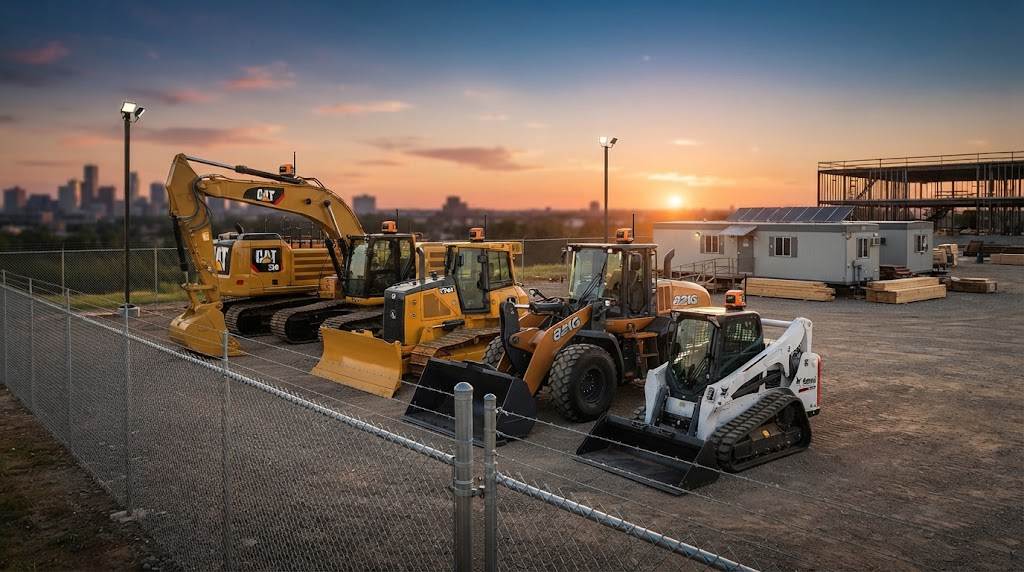
Construction companies depend on machinery every day. Excavators, loaders, skid steers, cranes, dozers, compactors, generators, trucks, and power tools all help crews complete projects safely and on schedule.
When equipment performs reliably, work moves forward. When a critical machine unexpectedly breaks down, the effects can spread quickly across an entire jobsite.
Crews may be left waiting. Rental equipment may need to be brought in. Deliveries can be delayed. Project schedules can slip, and repair bills can rise.
That is why the reliability of construction equipment should be treated as a core business issue rather than simply a maintenance department responsibility.
Urban Splatter’s guide to construction business assets highlights the importance of protecting tools, machinery, vehicles, and other valuable company assets through security measures, tracking, and appropriate protection. Urban Splatter Equipment reliability builds on the same principle: valuable assets need to be maintained, monitored, secured, and operated correctly if a construction business wants maximum value from them.
A strong equipment-reliability program can reduce unplanned downtime, improve jobsite productivity, support worker safety, control repair costs, and extend the useful life of expensive machinery.
Here is how construction businesses across the United States can build a more dependable fleet.
What Does Reliability of Construction Equipment Mean?
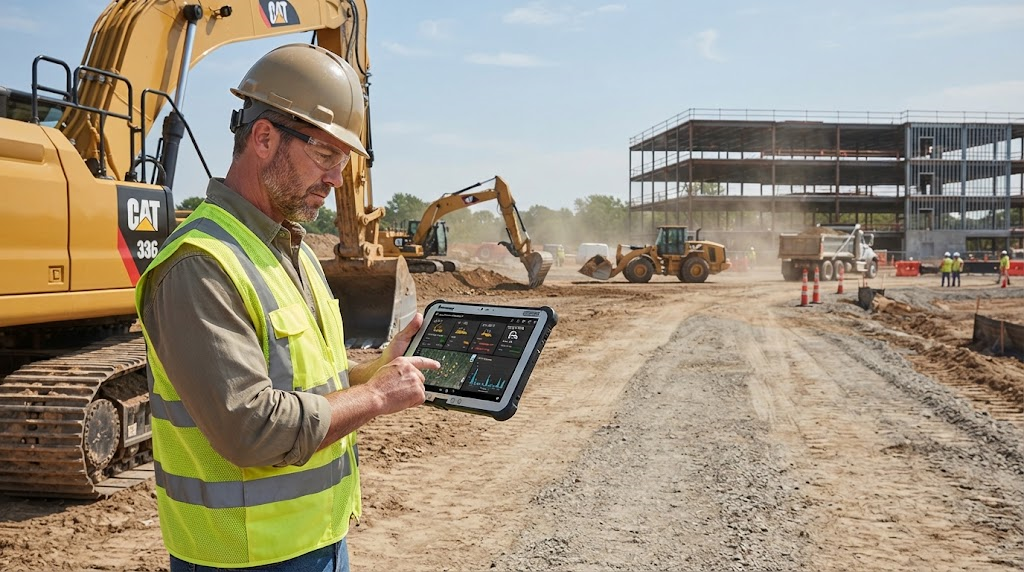
Equipment reliability describes how consistently a machine performs its intended job without unexpected failure.
A reliable excavator starts when needed, performs correctly throughout the shift, and does not regularly require emergency repairs.
Reliability is different from simply keeping machinery running.
A machine that operates but constantly leaks hydraulic fluid, overheats, loses power, or requires temporary repairs cannot really be considered reliable.
True reliability depends on several factors, including:
- Preventive maintenance
- Correct operation
- Regular inspections
- Quality replacement parts
- Proper lubrication
- Clean fluids and filters
- Accurate maintenance records
- Suitable storage
- Timely repairs
- Effective fleet planning
Each part of the system supports the others.
Why Equipment Reliability Matters to Construction Companies
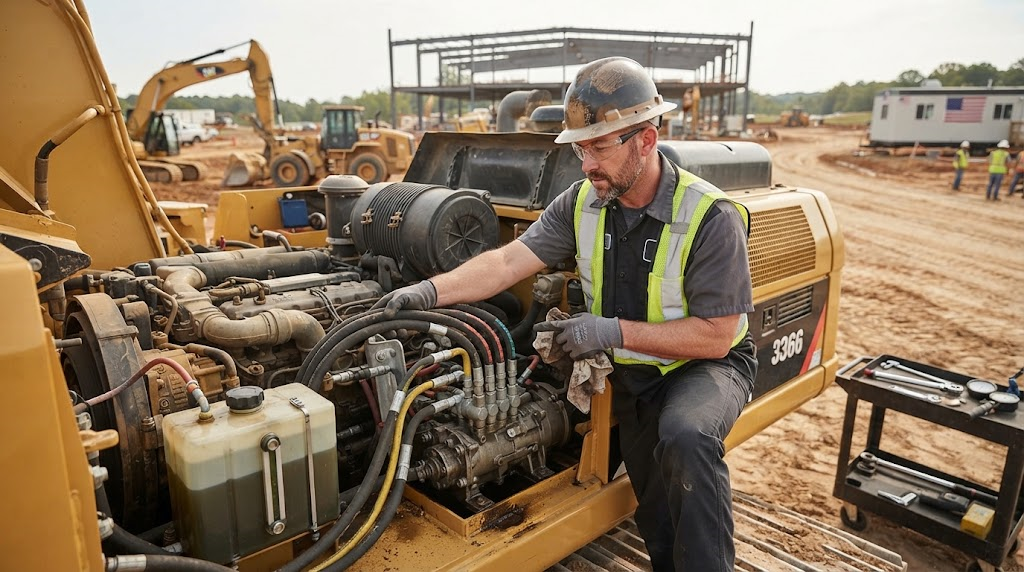
Heavy machinery represents a major investment.
Protecting that investment has a direct effect on profitability.
Reduced Unplanned Downtime
Unexpected equipment failure is one of the most disruptive problems on a construction site.
Imagine an excavator breaking down during trenching work. The crew operating the machine may have to stop. Pipe installation could also be delayed, along with inspections and backfilling.
One machine failure can therefore affect several activities.
Scheduled maintenance is easier to plan around than an emergency breakdown in the middle of an important operation.
Better Project Scheduling
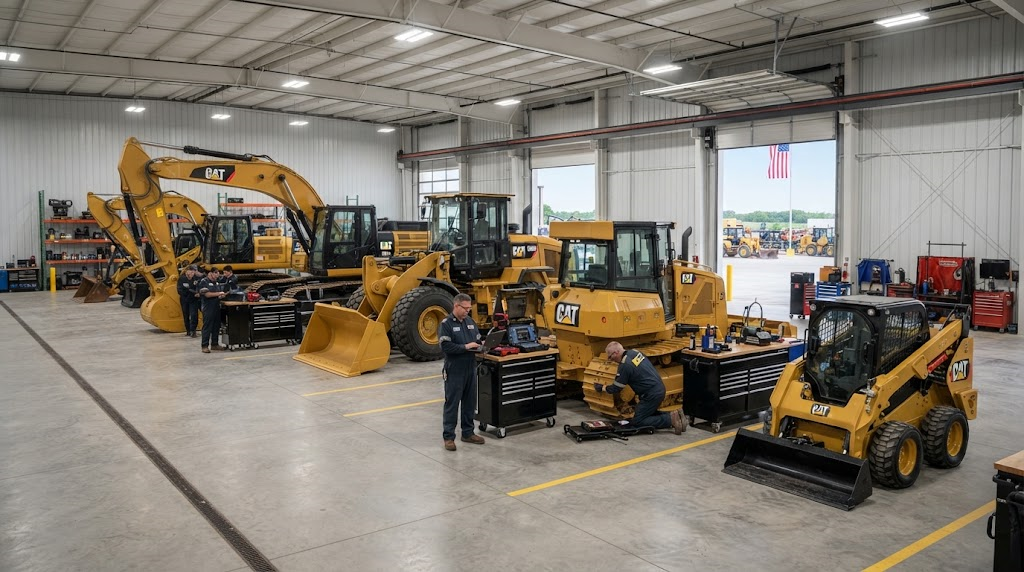
Reliable equipment makes project planning more predictable.
Superintendents and project managers can schedule crews, materials, subcontractors, and equipment with greater confidence when machines have a strong maintenance history.
Lower Long-Term Repair Costs
Small problems often become expensive when ignored.
A minor hydraulic leak may damage other components if fluid levels fall too low. A worn belt may eventually fail and cause further damage. Contaminated oil can increase internal wear.
Finding problems early can often reduce the cost and complexity of repairs.
Improved Equipment Resale Value
Maintenance records can also affect the value of machinery when a contractor decides to sell or trade it.
Buyers generally want evidence that equipment has been serviced consistently rather than operated until problems appeared.
Preventive Maintenance Is the Foundation of Reliability
Preventive maintenance means servicing machinery before failure occurs.
Instead of waiting until the engine stops, hydraulic pressure disappears, or a component breaks, contractors perform maintenance according to operating hours, manufacturer recommendations, conditions, and inspection results.
Follow Manufacturer Service Intervals
Every equipment model has recommended maintenance intervals.
These may include:
- Engine oil changes
- Fuel filter replacement
- Air filter inspection
- Hydraulic fluid service
- Cooling system checks
- Transmission service
- Final-drive inspections
- Greasing
- Belt replacement
- Battery inspection
Construction companies should keep service schedules accessible and update them whenever work is completed.
Adjust Maintenance for Working Conditions
Manufacturer schedules provide a starting point.
However, difficult working conditions may require more frequent attention.
Equipment operating in extremely dusty areas, mud, high heat, freezing weather, demolition environments, or around corrosive materials may need additional inspections and servicing.
Use Daily Equipment Inspections
A short inspection before operation can identify problems before a machine begins a full workday.
OSHA requires employers to provide frequent and regular inspections of jobsites, materials, and equipment by competent persons and prohibits the use of machinery that does not meet applicable safety requirements. OSHA
For cranes and derricks covered by OSHA’s construction standard, the agency also requires visual inspections before or during each shift and specifies additional monthly and annual inspection requirements. OSHA
Although inspection requirements vary by equipment type, daily checks are a practical reliability habit throughout a construction fleet.
What Should Operators Check?
A basic walk-around may include:
- Fluid leaks
- Hydraulic hoses
- Tires or tracks
- Lights
- Mirrors
- Windows
- Steps and handrails
- Attachments
- Pins and bushings
- Visible structural damage
- Warning indicators
- Fluid levels
- Safety devices
Operators should report anything unusual before a minor issue becomes a major breakdown.
Train Operators Properly
Machine reliability is closely connected to operator behavior.
Even well-maintained equipment can experience premature wear when it is operated incorrectly.
OSHA states that machinery and equipment should be operated only by employees qualified through training or experience. OSHA
Qualified operators understand the machine’s limitations and recognize warning signs earlier.
Avoid Abusive Operating Practices
Examples of damaging operation can include:
- Excessive engine idling
- Overloading buckets
- Aggressive direction changes
- Improper gear selection
- Excessive speed
- Poor attachment use
- Ignoring warning lights
- Operating with low fluids
A good operator treats the machine as a business asset rather than simply a tool that needs to survive one shift.
Pay Attention to Lubrication
Many construction machines contain moving components under heavy loads.
Grease and oil reduce friction between these components.
Poor lubrication can accelerate wear in pins, bushings, bearings, joints, and other moving parts.
Follow the recommended grease type and schedule.
Also keep fittings clean. Forcing dirt into a grease point can introduce contamination into the joint.
Over-lubrication can also create problems in certain components, so technicians should follow equipment specifications rather than assuming more lubricant is always better.
Protect Hydraulic Systems
Hydraulic systems power many of the functions that make modern construction machinery productive.
Excavators, loaders, skid steers, cranes, and many attachments depend heavily on hydraulic performance.
Hydraulic contamination can cause expensive damage.
Watch for Hydraulic Warning Signs
Potential problems may include:
- Slow machine response
- Unusual noises
- Excessive heat
- Fluid leaks
- Weak attachment performance
- Damaged hoses
- Foamy or discolored fluid
Hydraulic leaks should be repaired promptly.
A small leak can grow, create environmental concerns, lower system pressure, and eventually contribute to component failure.
Keep Air, Fuel, and Fluids Clean
Construction sites can be extremely dusty.
Dirt is one of the biggest enemies of mechanical systems.
Engines require clean air, clean fuel, and clean lubricants to operate efficiently.
Air filters should be checked according to site conditions and manufacturer guidance.
Fuel should be stored correctly to reduce contamination from dirt and water.
Maintenance technicians should also use clean procedures when changing filters or fluids.
A new filter is less useful if dirt enters the system during installation.
Manage Tires and Tracks
Undercarriages and tires represent significant operating costs for construction equipment.
Poor maintenance can shorten their service life.
For Tracked Equipment
Check:
- Track tension
- Rollers
- Sprockets
- Idlers
- Shoes
- Pins
- Mud and debris buildup
Incorrect track tension can accelerate component wear.
For Wheeled Equipment
Monitor:
- Tire pressure
- Cuts
- Sidewall damage
- Tread
- Uneven wear
- Wheel hardware
Correct tire pressure also affects fuel efficiency, stability, and equipment performance.
Create a Construction Equipment Maintenance Schedule
Reliability improves when maintenance moves from memory to a structured system.
A maintenance schedule should identify:
- Equipment ID number
- Machine model
- Current operating hours
- Last service
- Next service
- Required parts
- Technician responsible
- Inspection findings
- Open repairs
Smaller contractors may begin with spreadsheets.
Larger fleets often benefit from computerized maintenance management systems or fleet-management software.
The tool itself matters less than the consistency of the process.
Use Telematics and Equipment Tracking
Modern construction machinery can provide valuable operating data.
Telematics systems may monitor:
- Engine hours
- Equipment location
- Fuel consumption
- Idle time
- Diagnostic codes
- Operating temperature
- Maintenance intervals
This information can improve the reliability of construction equipment by helping managers act before problems become failures.
For example, a diagnostic alert may identify a developing issue before the machine stops working.
Location tracking can also support asset security.
Urban Splatter specifically notes that equipment theft and loss can disrupt construction operations and highlights tool-tracking technology as one way companies can protect valuable assets. Urban Splatter
Reduce Excessive Equipment Idling
Unnecessary idling consumes fuel while adding engine hours.
Those extra hours can bring scheduled service intervals closer without producing useful work.
Excessive idling can also increase operating costs and contribute to wear.
Fleet managers can review telematics data to identify machines with unusually high idle percentages.
Operator training can then address the problem.
Keep Maintenance Records
Documentation is essential for equipment management.
Every inspection, service, repair, and component replacement should be recorded.
Records help managers identify patterns.
If the same machine repeatedly experiences hydraulic failures, for example, the issue may require deeper investigation instead of another temporary repair.
Maintenance history can also support warranty claims, resale decisions, budgeting, and replacement planning.
Use Qualified Maintenance Personnel
Heavy equipment repair requires technical knowledge.
OSHA specifically requires maintenance and repair personnel working on covered cranes and derricks to be qualified for the equipment and maintenance tasks they perform. OSHA
The same basic principle makes sense across a fleet.
Modern machinery can contain electronic controls, emissions systems, high-pressure hydraulics, complex transmissions, and computerized diagnostics.
Incorrect repairs may create additional damage or safety problems.
Use technicians who understand the particular equipment and task.
Protect Equipment When It Is Not Being Used
Reliability also depends on storage.
Leaving machines exposed unnecessarily can contribute to weather damage, vandalism, theft, battery problems, and contamination.
Construction businesses should consider:
- Secure fenced yards
- Controlled key access
- GPS tracking
- Cameras
- Lighting
- Locked fuel systems
- Attachment security
- Weather protection
- Battery maintenance
Protecting equipment is part of protecting the company’s ability to operate.
Plan for Seasonal Maintenance
Construction equipment faces different challenges throughout the year.
Winter Preparation
Cold weather may require attention to:
- Batteries
- Coolant
- Fuel
- Hydraulic fluids
- Cold-start systems
- Cab heating
- Ice buildup
Summer Preparation
Hot weather makes cooling systems especially important.
Radiators and coolers should remain clean, and technicians should watch for overheating.
Dust may also increase air-filter service requirements.
Seasonal maintenance helps equipment perform consistently when conditions become difficult.
Decide When to Repair or Replace Equipment
Reliable fleet management does not mean keeping every machine forever.
Older equipment can eventually become too expensive to maintain.
Consider replacement when:
- Repairs become frequent
- Downtime increases
- Parts become difficult to obtain
- Fuel consumption rises
- Productivity declines
- Safety concerns increase
- Repair costs approach replacement value
Fleet managers should evaluate total ownership cost rather than focusing only on whether a machine can technically be repaired again.
Common Equipment Reliability Mistakes
Several mistakes repeatedly reduce machinery life.
Skipping Small Repairs
Small leaks, unusual noises, and warning lights should not be ignored.
Waiting for Breakdown Maintenance
Emergency repairs usually create more disruption than planned maintenance.
Poor Recordkeeping
Without records, fleet managers cannot easily identify recurring problems.
Using Incorrect Parts or Fluids
Always follow equipment specifications.
Allowing Untrained Operators
Improper operation can quickly damage expensive components.
Ignoring Cleaning
Mud, concrete, dust, and debris can hide leaks, restrict cooling, and accelerate wear.
Frequently Asked Questions About Construction Equipment Reliability
What is construction equipment reliability?
It is the ability of machinery to perform its intended work consistently without unexpected breakdowns or excessive failures.
How can I improve the reliability of construction equipment?
Use preventive maintenance, daily inspections, trained operators, correct fluids and parts, strong recordkeeping, telematics, and prompt repairs.
How often should construction equipment be inspected?
Inspection frequency depends on equipment type, manufacturer requirements, working conditions, and regulations. Many contractors perform operator walk-arounds before each shift, with more detailed scheduled inspections.
Why is preventive maintenance important?
Preventive maintenance helps identify wear before components fail, allowing repairs to be scheduled rather than handled as emergencies.
Can operator behavior affect machinery reliability?
Yes. Overloading, excessive idling, aggressive operation, and ignoring warning indicators can all increase wear or contribute to failure.
How does telematics help heavy equipment maintenance?
Telematics can provide engine hours, fault codes, location, idle time, fuel information, and maintenance alerts, helping fleet managers make faster decisions.
Should construction equipment maintenance be documented?
Yes. Service records help track equipment history, identify recurring failures, plan maintenance, support resale value, and manage costs.
When should construction equipment be replaced?
Replacement may be appropriate when repairs, downtime, fuel consumption, reduced productivity, or parts availability make continued ownership uneconomical.
Does OSHA require equipment inspections?
OSHA requires frequent and regular inspections of construction jobsites, materials, and equipment by competent persons. Certain equipment categories, including covered cranes and derricks, have more detailed inspection requirements. OSHA
How can contractors protect equipment from theft?
Secure storage, controlled access, lighting, cameras, asset identification, and GPS or tool-tracking systems can reduce risk and make equipment easier to locate.
Conclusion
The reliability of construction equipment directly affects productivity, project schedules, repair expenses, and the overall performance of a construction business.
Reliable machinery does not happen by accident.
It comes from a structured system that includes preventive maintenance, daily inspections, qualified operators, clean fluids, proper lubrication, accurate records, secure storage, and timely repairs.
Technology can strengthen that system. Telematics, GPS tracking, diagnostic alerts, and maintenance software give fleet managers greater visibility into equipment condition and usage.
But technology cannot replace the basics.
Operators still need to report unusual sounds. Technicians still need to follow service procedures. Managers still need to schedule downtime before maintenance becomes an emergency.
Construction companies should also remember that machinery is a business asset. As the linked Urban Splatter guide emphasizes, protecting equipment through security, tracking, and appropriate asset management helps reduce the financial disruption caused by loss or damage. Urban Splatter
The most successful equipment programs focus on prevention rather than reaction.
Inspect machines before work. Follow maintenance schedules. Train operators. Track recurring problems. Protect equipment after hours. Replace assets when keeping them becomes more expensive than upgrading.
When these habits become part of everyday operations, contractors can achieve better equipment availability, fewer unexpected breakdowns, longer machine life, and a more predictable construction business.

