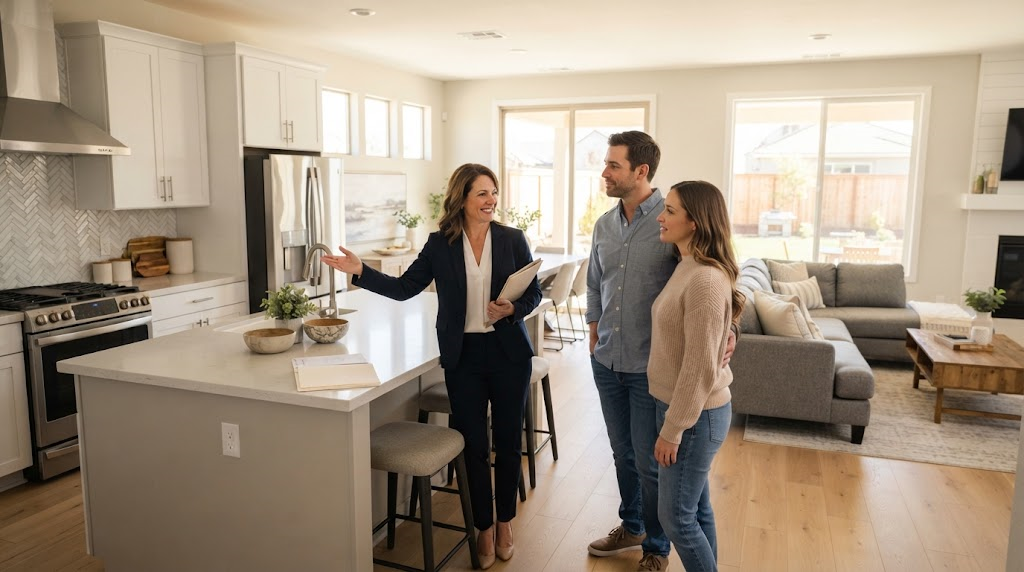
If you have ever looked at the potential commission on a home sale and thought, “Can I sell my home privately instead?” you are not alone.
Selling without a traditional listing agent is usually called For Sale By Owner, or FSBO, in the United States. Under this approach, the homeowner takes responsibility for many of the jobs that an agent would normally handle, including pricing, preparing the listing, answering buyer questions, organizing showings, negotiating offers, and coordinating the transaction.
For some homeowners, the attraction is obvious: more control and the possibility of reducing selling costs.
For others, the additional work, legal paperwork, pricing decisions, and negotiations make professional representation worthwhile.
FSBO remains a relatively small part of the U.S. housing market. The National Association of REALTORS® reported in its 2025 generational trends data that about 6% of sellers used a for-sale-by-owner method, while roughly 90% sold using an agent or broker.
That does not mean a private sale cannot work. It means homeowners should understand what they are taking on before putting a sign in the yard.
This guide explains the main steps, benefits, risks, and practical decisions involved.
What Does It Mean to Sell My Home Privately?
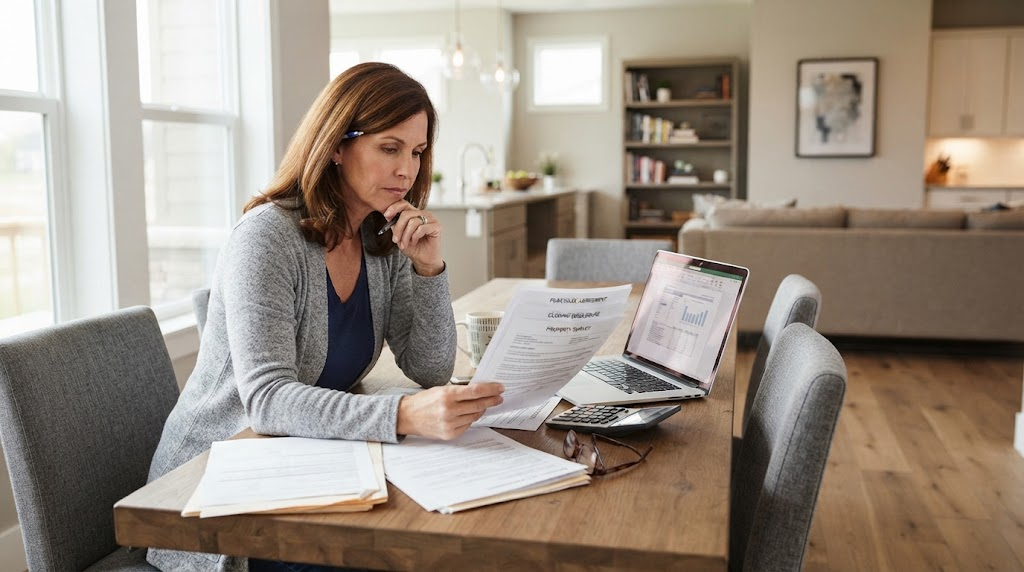
When you decide to sell my home privately, you typically market and negotiate the property without hiring a traditional full-service listing agent.
You may still use professionals for individual parts of the transaction.
For example, depending on your state and circumstances, you may use:
- A real estate attorney
- A title or escrow company
- A photographer
- An appraiser
- A home inspector
- A flat-fee MLS service
- A transaction coordinator
The main difference is that you remain responsible for managing the sale rather than handing the complete process to a listing agent.
Private Sale Does Not Mean No Professional Help
FSBO should not be confused with doing absolutely everything yourself.
Legal documents, title issues, disclosures, taxes, escrow procedures, and closing requirements can become complicated.
State and local rules also vary.
A homeowner can manage the marketing and negotiations while still paying qualified professionals for areas where specialist knowledge is valuable.
Why Do Homeowners Sell Without an Agent?
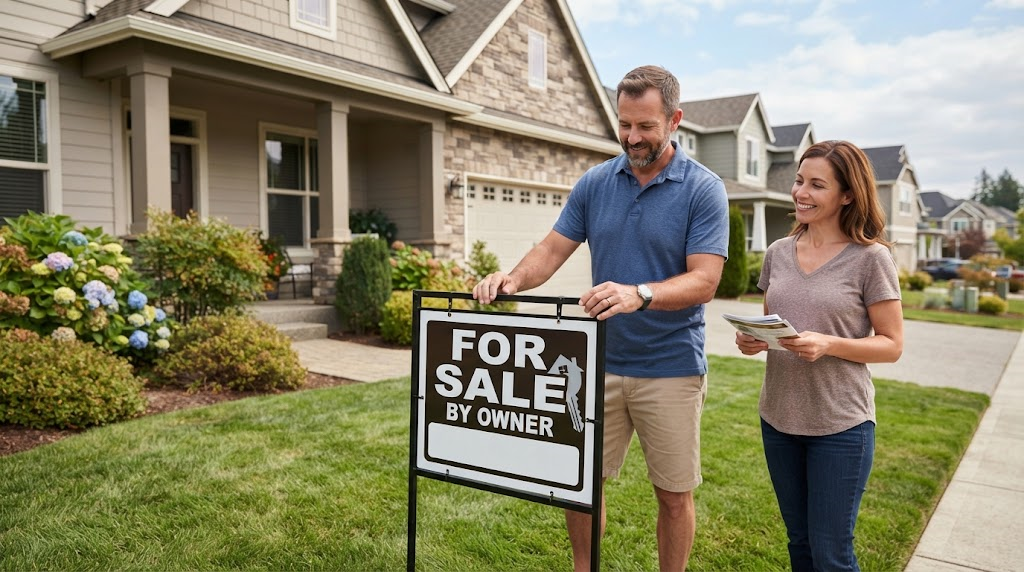
The most common reason is potential cost savings.
Traditional real estate transactions can involve agent compensation, marketing costs, closing expenses, legal fees, and other charges.
If you handle much of the sale yourself, you may reduce some of those costs.
However, you should not assume that selling privately means a completely fee-free transaction.
You may still pay for:
- Photography
- Online advertising
- MLS access
- Legal assistance
- Title services
- Escrow
- Repairs
- Staging
- Buyer-agent compensation where applicable
- Closing costs
Greater Control
Some homeowners simply prefer being directly involved.
With FSBO, you can choose:
- The asking price
- Showing times
- Marketing strategy
- Photography
- Open-house schedule
- Negotiation approach
- Which offers to accept
For sellers who are comfortable with sales, paperwork, and communication, that level of control can be appealing.
Start by Understanding Your Local Market
Pricing is one of the most important parts of a private home sale.
A home priced too high may sit on the market while buyers move on to competing properties.
A price that is unnecessarily low could leave money on the table.
Research Comparable Sales
Look at recently sold homes that are similar to yours in:
- Neighborhood
- Square footage
- Bedroom count
- Bathroom count
- Lot size
- Property age
- Renovation level
- Garage or parking
- School district
- Overall condition
Do not rely only on active listings.
An asking price tells you what a seller hopes to receive. A closed sale shows what a buyer actually agreed to pay.
Consider an Independent Appraisal
If the property is difficult to compare with neighboring homes, an independent appraisal may provide another useful data point.
Unique homes, rural properties, luxury homes, and extensively renovated houses can be particularly challenging to price using simple online estimates.
Prepare the Home Before Listing
Buyers often form an opinion quickly.
Before creating the listing, walk through the house as though you were seeing it for the first time.
Look for:
- Clutter
- Burned-out bulbs
- Damaged paint
- Dirty windows
- Overgrown landscaping
- Leaking faucets
- Broken fixtures
- Excess personal items
Not every property needs an expensive renovation before sale.
Often, cleaning, decluttering, basic repairs, and better lighting create the biggest improvement for the money.
Improve Curb Appeal
The exterior is the first thing many buyers see.
Simple improvements can include:
- Mowing the lawn
- Trimming bushes
- Cleaning paths
- Washing the front door
- Removing unnecessary outdoor clutter
- Improving exterior lighting
The goal is to make the home look cared for.
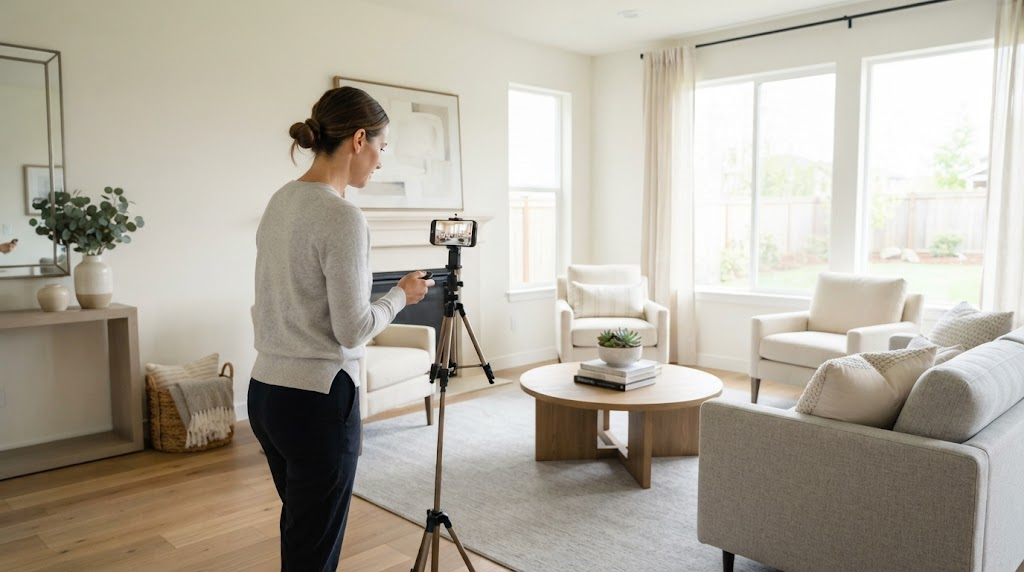
Take Professional-Quality Property Photos
If you plan to sell my home privately, photography becomes especially important because you do not have a listing agent overseeing the marketing.
Most buyers begin their search online.
Weak photos can cause people to skip the listing before reading the description.
Prepare Rooms Before Photography
Before taking pictures:
- Open curtains
- Turn on lights
- Remove clutter
- Clear kitchen counters
- Make beds
- Close toilet lids
- Hide trash cans
- Straighten furniture
Use a wide composition without intentionally distorting the size of the room.
If your budget permits, professional real estate photography may be worth considering.
Write a Strong Property Description
A good listing description should help buyers understand what makes the property useful or appealing.
Avoid filling the description with empty superlatives.
Instead of saying:
“Absolutely amazing beautiful house!”
Provide useful details:
“Three-bedroom home with renovated kitchen, fenced backyard, two-car garage, and dedicated home office.”
Mention important upgrades, layout features, storage, outdoor areas, and relevant neighborhood characteristics.
Keep Claims Accurate
Do not exaggerate or hide material facts.
Real estate advertising and disclosure requirements vary by state, and sellers may have obligations to disclose known property conditions.
Consult a qualified local professional if you are unsure what must legally be disclosed.
Decide Where to Advertise Your Home
Marketing reach is one of the biggest challenges for a private seller.
You want the property to appear where active buyers are already searching.
Potential channels include:
- Property listing websites
- MLS exposure
- Social media
- Local community groups
- Yard signs
- Word of mouth
- Open houses
Consider Flat-Fee MLS Services
In the United States, some services provide MLS exposure for a flat fee rather than full traditional listing representation.
The exact service, rules, and access depend on your market.
Review what is included carefully.
Some packages provide only basic listing access, while others may include forms, photography, support, or additional marketing.
International Private-Sale Platforms Show a Similar Model
The private-sale approach is not unique to the United States.
Australia has established owner-sale platforms built around the same basic idea of allowing homeowners to manage buyers directly while paying for advertising support.
For example, sell my home privately services from SaleByHomeOwner.com.au are aimed specifically at Australian property owners.
Its current process lets Australian sellers choose a fixed-price package, create their listing, verify property ownership, and receive exposure on major Australian property websites such as realestate.com.au and Domain. Buyers then contact the owner directly for inspections and negotiations.
The company currently offers several one-time advertising packages, with published promotional pricing ranging from AUD $499 for a basic package to higher-priced packages that can include photography, signage, open-home materials, and broader portal exposure.
For American readers, however, this is important: SaleByHomeOwner.com.au is an Australian service. Its portal access, legal process, pricing, and property-sale system should not be assumed to apply to a U.S. home sale.
The useful takeaway is the model itself: homeowners can sometimes purchase marketing and listing support without paying for a complete traditional-agent service.
Handling Buyer Enquiries Yourself
Once the listing goes live, buyers may contact you directly.
Respond promptly and professionally.
Keep a record of:
- Buyer name
- Contact information
- Date of enquiry
- Questions asked
- Showing time
- Follow-up
- Offers received
You do not need an elaborate CRM.
A spreadsheet or organized notebook can be enough for a single home sale.
Protect Your Privacy
Remember that selling privately means strangers may contact you and visit your property.
Take sensible precautions.
Avoid publicly sharing unnecessary personal information and consider having another adult present during showings.
Keep valuables, financial documents, medications, and sensitive personal information secured.
How to Conduct Home Showings
A showing should make it easy for the buyer to imagine living in the property.
Before they arrive:
- Clean the home
- Turn on lights
- Set a comfortable temperature
- Open curtains
- Remove pets where possible
- Reduce strong odors
- Clear unnecessary clutter
Give buyers room to look around without following them too closely.
At the same time, be available to answer practical questions.
Prepare Property Information
Buyers may ask about:
- Utility costs
- Property taxes
- Homeowners association fees
- Roof age
- HVAC age
- Renovations
- School district
- Parking
- Appliances
- Closing timeline
Answer honestly.
If you do not know, say you will verify rather than guessing.
Hosting an Open House
An open house can help several buyers view the property within one scheduled period.
Advertise the time in advance and prepare a sign-in process.
You may also want to provide a simple property sheet containing key facts.
Do not leave important financial documents or valuables visible during an open house.
Receiving and Comparing Offers
A high offer is not automatically the strongest offer.
Look at the complete package.
Important terms can include:
- Purchase price
- Financing method
- Earnest money
- Inspection contingency
- Appraisal contingency
- Financing contingency
- Closing date
- Requested repairs
- Seller concessions
A slightly lower offer with fewer complications can sometimes be more attractive than a higher but heavily conditional offer.
Put Offers in Writing
Verbal interest is not the same as an executed contract.
Real estate agreements involve formal documentation, and state rules vary.
Use appropriate local legal forms and professional guidance rather than improvising a sale contract.
Negotiating Without an Agent
Negotiation can become emotional when you are selling your own home.
Try to separate personal attachment from market reality.
A buyer criticizing the kitchen may simply be negotiating.
Focus on:
- Price
- Terms
- Timing
- Risk
- Net proceeds
Know your minimum acceptable outcome before negotiations become intense.
Calculate Net Proceeds
Do not compare offers using purchase price alone.
Subtract the costs associated with each offer.
A buyer requesting substantial credits, repairs, or other concessions may produce lower net proceeds even if the headline price appears stronger.
Understand Required Seller Disclosures
One of the biggest responsibilities in an FSBO transaction is complying with legal requirements.
U.S. disclosure laws vary significantly by state.
You may need to provide information about known issues involving:
- Water damage
- Structural defects
- Environmental hazards
- Property boundaries
- Homeowners associations
- Previous repairs
- Lead-based paint in applicable older housing
Federal and state requirements are not identical.
Because errors can create serious liability, consider consulting a local real estate attorney or another qualified professional.
Inspections and Appraisals
After accepting an offer, the transaction may still have several major steps.
The buyer may arrange a home inspection.
If the buyer is financing the purchase, the lender may order an appraisal.
After the Inspection
The buyer may:
- Accept the home as-is
- Request repairs
- Request a credit
- Renegotiate
- Exercise contractual rights to withdraw if applicable
Review the actual contract before responding.
Do not assume every buyer request is automatically required.
Closing the Sale
Closing procedures vary by state.
A title company, escrow company, attorney, settlement agent, lender, or combination of professionals may be involved.
Common closing steps can include:
- Title search
- Payoff statements
- Final disclosures
- Buyer financing
- Signing documents
- Transfer of funds
- Recording the deed
- Transfer of keys
Even homeowners who manage the marketing themselves often use professionals for the closing process.
Common FSBO Mistakes to Avoid
Pricing From Emotion
Your memories do not determine market value.
Use comparable sales and objective data.
Poor Photography
Dark phone pictures can damage an otherwise good listing.
Limited Exposure
Saving money on marketing is not helpful if qualified buyers never see the home.
Slow Responses
Motivated buyers may move quickly.
Answer enquiries promptly.
Skipping Legal Guidance
Saving on agent fees does not mean ignoring contracts, disclosure laws, title issues, or closing requirements.
Refusing to Negotiate
Selling a home is a transaction.
Stay flexible where it makes financial sense.
Is Selling Privately Right for You?
FSBO can suit a homeowner who:
- Has time to manage the sale
- Is comfortable talking with buyers
- Can organize paperwork
- Understands the local market
- Is willing to negotiate
- Can obtain professional legal support when needed
It may be less suitable if you have limited time, a difficult property, complicated ownership issues, an emotionally challenging sale, or little confidence in pricing and negotiation.
There is no rule that says every homeowner should sell privately.
The goal is to choose the structure that fits your situation.
Frequently Asked Questions About Selling a Home Privately
Can I sell my house without a real estate agent?
Generally, yes. U.S. homeowners can often sell property without hiring a traditional listing agent, although legal, disclosure, title, and closing requirements still apply.
What does FSBO mean?
FSBO means “For Sale By Owner.” It describes a property being sold directly by its owner rather than through a traditional listing agent.
How do I determine my asking price?
Review recent comparable sales, local market conditions, property condition, and unique features. An independent appraisal can provide additional guidance.
Can I list a FSBO property on the MLS?
Flat-fee and limited-service listing options are available in many U.S. markets. Availability and rules depend on the local MLS and provider.
Do I need an attorney to sell my home privately?
Requirements vary by state. Even when an attorney is not legally required, professional legal advice can help with contracts, disclosures, title issues, and closing.
Do I still pay costs when selling without an agent?
Yes. Possible costs include photography, listing fees, legal services, title work, repairs, escrow, buyer concessions, and other transaction expenses.
Is SaleByHomeOwner.com.au available for U.S. homes?
SaleByHomeOwner.com.au is designed for Australian property sellers and provides access to Australian real estate portals. Its service should not be treated as a U.S. FSBO platform.
How does Sale By Home Owner work in Australia?
Australian sellers select a fixed-price package, create a property advertisement, verify ownership, and can have the property published across supported real estate portals. Sellers then deal directly with buyers and generally use a solicitor or conveyancer to complete the legal transaction.
Conclusion
Deciding to sell my home privately can give you more control over your property sale and may reduce some of the expenses associated with traditional full-service representation.
But FSBO is not simply a matter of uploading a few photos and waiting for a buyer.
You become responsible for many of the activities an agent would normally coordinate.
That means researching comparable properties, setting a realistic price, preparing the home, creating strong photography, writing the listing, advertising it effectively, answering enquiries, conducting showings, comparing offers, negotiating terms, and keeping the transaction moving toward closing.
You also need to recognize where professional support matters.
Legal disclosures, purchase agreements, title work, escrow, tax questions, and closing requirements can vary substantially from one U.S. state to another. Saving money on an agent does not justify taking unnecessary legal risks.
International services demonstrate how the private-sale model can work when listing and marketing support is separated from traditional agent representation. SaleByHomeOwner.com.au, for example, currently helps Australian owners advertise through major Australian property portals while retaining direct control over buyer communication and negotiations.
American sellers can apply the same general principle while using U.S.-appropriate services, MLS options, and legal professionals.
Before deciding, calculate both the potential savings and the value of your time.
Ask yourself whether you are comfortable pricing the property objectively, communicating with strangers, managing appointments, evaluating offers, and dealing with unexpected problems during the transaction.
If the answer is yes, selling privately may be worth exploring.
If the process starts becoming overwhelming, you are not locked into one path. You can still hire professional assistance for specific tasks or move to a full-service agent later.
The most successful private sellers do not try to prove they can do everything alone.
They stay organized, market the home professionally, understand their limits, bring in specialists where necessary, and treat the sale like the major financial transaction it is.