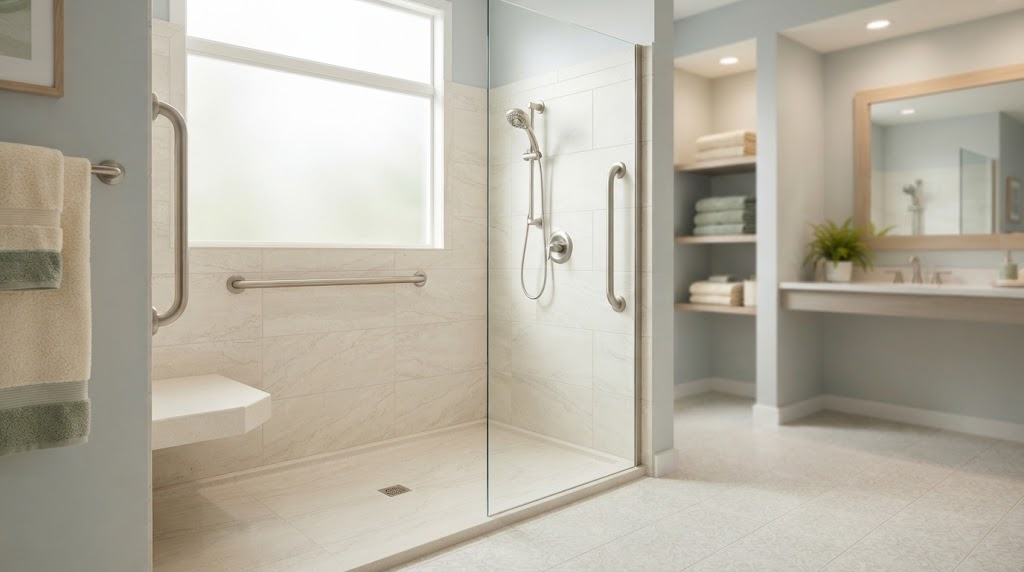
Bathrooms are among the most frequently used rooms in any home, yet many older bathrooms were designed around lifestyles that no longer fit the people living in them.
A traditional bathtub may have made sense when children were young or when long baths were part of the household routine. Years later, that same bathtub can become difficult to step over, inconvenient to clean, or simply less useful than a spacious walk-in shower.
That is why tub-to-shower conversions in New Orleans have become an increasingly practical bathroom remodeling option.
Instead of rebuilding the entire room, a bathtub-to-shower conversion focuses on removing the existing tub and replacing it with a shower, often within the same basic footprint. The result can be a bathroom that is easier to use, easier to clean, more accessible, and better aligned with a homeowner’s current lifestyle.
Mr. Bath currently provides bathtub-to-shower conversions for New Orleans and other Louisiana homeowners. The company says it removes the existing bathtub and uses the same square footage to create a new shower, with options ranging from standard shower designs to walk-in and accessibility-focused configurations.
Before beginning a project, however, homeowners should understand the design choices, installation process, accessibility considerations, and questions worth asking a contractor.
What Is a Tub-to-Shower Conversion?
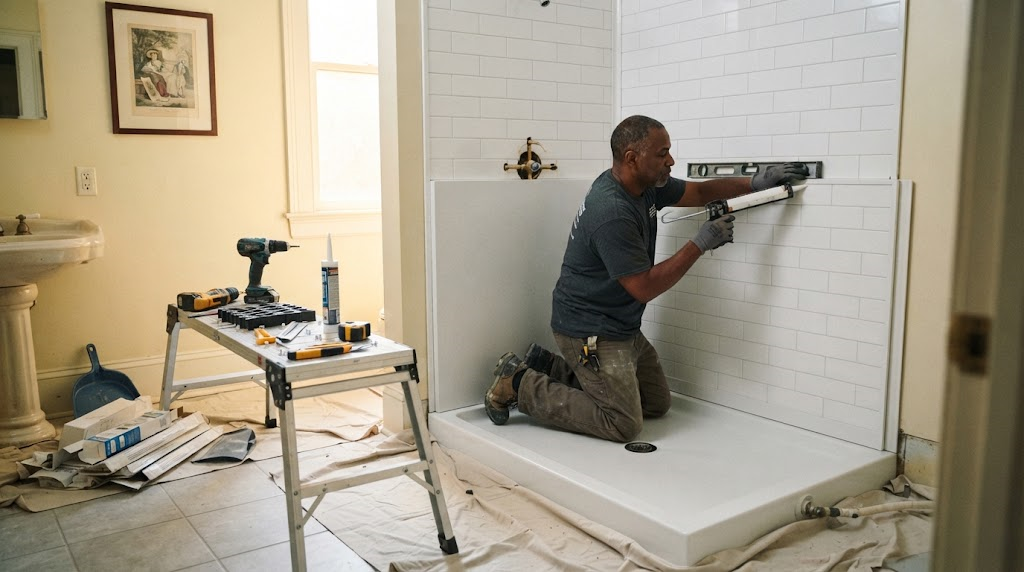
A tub-to-shower conversion replaces an existing bathtub with a dedicated shower enclosure.
In many projects, the general plumbing area and footprint remain similar. This can make a conversion less disruptive than moving plumbing fixtures to completely different parts of the bathroom.
A typical project may involve:
- Removing the existing bathtub
- Inspecting the exposed area
- Preparing plumbing connections
- Installing a shower base
- Adding wall surrounds
- Installing fixtures
- Adding shelving or storage
- Installing a glass door or curtain system
- Adding accessibility features when needed
Mr. Bath describes its process as using the space previously occupied by the bathtub to install the new shower, helping avoid the need to completely redesign the room.
Why Keep the Existing Footprint?
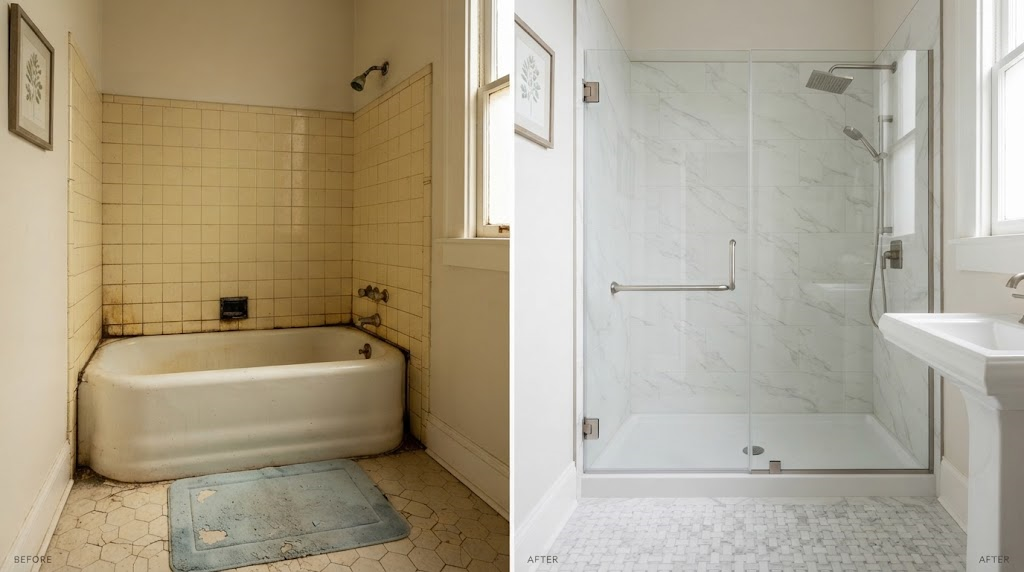
Keeping the shower in the old tub location can simplify the project.
Moving drains, water lines, walls, and fixtures may increase labor and construction complexity.
By working with the existing bathing area, homeowners may be able to modernize the bathroom while limiting unnecessary structural changes.
Every home is different, though. Older New Orleans properties in particular may have unique framing, plumbing, or previous renovations that only become visible after the tub is removed.
Why New Orleans Homeowners Convert Tubs to Showers
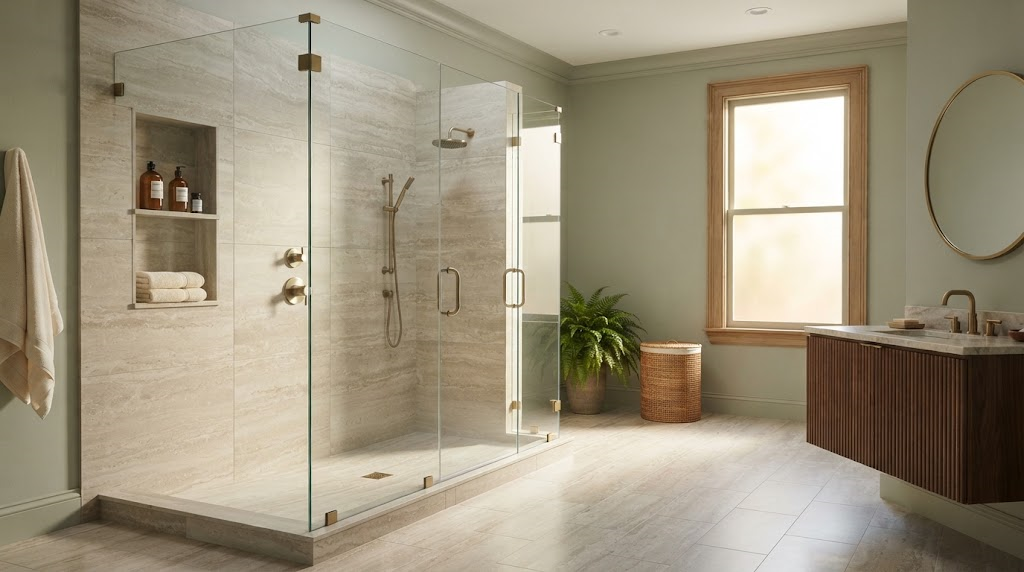
There is no single reason to remove a bathtub.
For many households, it is simply about convenience.
Easier Everyday Use
Stepping into a traditional bathtub requires lifting your legs over the side.
For healthy younger adults, that may not seem significant.
For older adults, people recovering from surgery, or anyone with reduced mobility, it can become difficult.
A low-threshold walk-in shower can reduce the height a person must step over.
More Usable Shower Space
A dedicated shower can feel more open than standing inside a tub.
Homeowners may have room for:
- A larger showerhead
- Handheld shower fixture
- Built-in shelving
- Corner seating
- Grab bars
- Glass enclosure
That can make the bathroom feel more intentional and less like a shower was added to a bathtub as an afterthought.
Easier Cleaning
Traditional tubs have multiple corners and surfaces to clean.
Replacing one with a shower system using large-format wall panels can reduce grout lines and hard-to-reach surfaces.
Mr. Bath currently uses Sentrel Bath Systems products in its shower and bathroom conversion projects and promotes them as durable, low-maintenance options.
Tub-to-Shower Conversions for Aging in Place
Accessibility is one of the strongest reasons to consider a conversion.
Many homeowners want to remain in their homes as they age.
The bathroom deserves particular attention because wet surfaces, tight spaces, and high tub walls can create challenges.
Low- and No-Threshold Showers
Mr. Bath’s accessible shower options include low- or no-threshold shower bases designed to make entry easier.
A lower entry can benefit:
- Seniors
- People with limited mobility
- People using walkers
- Anyone planning ahead for aging in place
Grab Bars
Grab bars can provide additional support when entering, exiting, or moving inside the shower.
Their placement should be planned around how the shower will actually be used rather than added randomly for appearance.
Shower Seating
Built-in or secure shower seating can make bathing more comfortable for people who cannot safely stand for extended periods.
Mr. Bath lists seating, grab bars, and low/no-threshold bases among its current accessible shower options.
Handheld Showerheads
A handheld showerhead can provide greater flexibility, particularly when shower seating is installed.
It can also make the shower easier to clean.
Design Options for a New Walk-In Shower
Accessibility does not require giving up good design.
A tub-to-shower conversion can be customized to fit the rest of the bathroom.
Shower Wall Surrounds
Wall surrounds form the visible interior walls of the shower.
Homeowners can select colors and patterns designed to coordinate with:
- Flooring
- Vanity color
- Countertops
- Wall paint
- Hardware
Mr. Bath says its shower installations offer multiple wall surrounds, shower bases, and glass-door options.
Choose Timeless Colors
Bathroom trends change.
If you plan to stay in your home for years, a neutral wall surround can make future updates easier.
White, cream, soft gray, stone-inspired finishes, and warm neutrals work with many hardware styles.
Shower Doors
Glass doors can make a small bathroom feel more open.
Options may include framed, semi-frameless, or frameless styles depending on the shower system and project.
Some homeowners choose a shower curtain instead because it may provide easier access or cost less.
Think about who uses the bathroom and how much clearance exists around the shower before deciding.
Built-In Storage
Shampoo bottles should not have to sit on the shower floor.
Discuss shelves, niches, or corner storage before installation.
Storage is easier to plan before the new shower system is complete than to add later.
Choosing Shower Fixtures
The fixture finish can influence the entire bathroom’s appearance.
Popular choices include:
- Chrome
- Brushed nickel
- Matte black
- Brass-inspired finishes
Try to coordinate the shower fixture with nearby faucets, cabinet hardware, and accessories without feeling that every metal must match perfectly.
How Long Does a Tub-to-Shower Conversion Take?
One reason homeowners consider a focused bathroom conversion is the relatively short installation timeline compared with a complete bathroom renovation.
Mr. Bath says its bathroom conversions can often be completed in as little as one or two days, depending on project conditions.
That does not mean every bathroom will take the same amount of time.
The timeline may change if contractors discover:
- Water damage
- Plumbing problems
- Structural deterioration
- Unusual framing
- Subfloor damage
- Custom construction requirements
Ask What “One-Day” Remodeling Includes
When a contractor advertises a fast installation, ask what work is included.
A tub-to-shower conversion is different from a full bathroom renovation involving flooring, vanity replacement, lighting, electrical changes, drywall, and extensive plumbing relocation.
Clarifying the project scope prevents unrealistic expectations.
What Happens During Installation?
The exact sequence depends on the home, but most projects follow a similar process.
Step 1: Consultation and Measurement
The contractor evaluates the bathroom, takes measurements, and discusses goals.
This is the time to talk about accessibility, storage, fixtures, colors, and doors.
Step 2: Product Selection
You choose the shower base, wall system, fixtures, accessories, and enclosure.
Mr. Bath currently offers custom bathroom designs and Sentrel product options for New Orleans conversions.
Step 3: Bathtub Removal
The old bathtub and related materials are carefully removed.
The exposed area can then be inspected for problems that were previously hidden.
Step 4: Shower Preparation
Plumbing and surfaces are prepared for the new shower system.
Step 5: Shower Installation
The base, walls, fixtures, accessories, and enclosure are installed.
Step 6: Final Review
Mr. Bath says it completes customer reviews after installation so homeowners can inspect the finished remodel and provide feedback.
What Can Affect Tub-to-Shower Conversion Cost?
There is no universal price for a conversion.
Cost depends on the actual bathroom and selected features.
Major factors include:
- Shower size
- Wall system
- Glass enclosure
- Plumbing changes
- Fixture selection
- Accessibility features
- Hidden damage
- Customization
- Labor
A basic conversion using the existing layout will usually differ substantially from a custom accessibility project with major plumbing work.
Get an In-Home Estimate
Online estimates can only go so far.
A contractor needs to see the actual bathroom to understand the installation conditions.
Mr. Bath currently offers free estimates for New Orleans bathroom remodeling and conversion projects.
Ask for a written explanation of what is included before signing a contract.
Questions to Ask Your Bathroom Remodeler
A few questions can make comparing contractors easier.
Ask:
- What exactly is included in the quote?
- Who performs the installation?
- How long should the project take?
- What happens if hidden damage is discovered?
- What products will be installed?
- What warranty applies?
- Are permits required for my project?
- Can accessibility features be added?
- How is debris removed?
- When can the shower be used after installation?
A professional contractor should be willing to explain the project clearly.
Warranty Considerations
Bathroom products are expected to deal with water and daily use for years, so warranty information matters.
Mr. Bath states that it is an authorized Sentrel dealer and promotes lifetime warranties on qualifying fixtures and conversion products.
Before purchasing, ask for the actual written warranty.
Confirm:
- What product is covered
- What labor is covered
- How long each portion lasts
- What actions could void coverage
- Who handles warranty claims
Marketing language should never replace reading the warranty terms.
Is a Tub-to-Shower Conversion Right for Every Bathroom?
Not necessarily.
If your home has only one bathtub, think about how removing it may affect your household and future buyers.
Families with young children may still prefer a tub.
Some homeowners keep the bathtub in one bathroom and convert another into a walk-in shower.
This can provide flexibility.
Consider Your Lifestyle First
Ask yourself:
Do I actually use the bathtub?
Would I use a shower more?
Do I have mobility concerns?
Will I remain in this house long term?
Is there another bathtub in the home?
Good remodeling decisions should solve real problems rather than simply follow trends.
Small Bathroom Benefits
New Orleans homes can include bathrooms with limited floor space.
A tub-to-shower conversion does not necessarily increase the physical square footage, but a glass enclosure and cleaner shower design can make the room feel more open.
Mr. Bath also offers small-bathroom remodeling and space-planning services in New Orleans.
Keeping colors light and avoiding overly bulky fixtures may further improve the feeling of space.
Maintaining Your New Shower
Maintenance starts with the products selected.
Follow the manufacturer’s cleaning instructions.
As a general rule:
- Remove soap residue regularly
- Keep drains clear
- Ventilate the bathroom
- Watch for sealant deterioration
- Avoid harsh cleaners unless approved
- Address leaks quickly
Even low-maintenance shower systems still need routine cleaning.
Frequently Asked Questions About Tub-to-Shower Conversions in New Orleans
What is a tub-to-shower conversion?
It is a bathroom remodel in which an existing bathtub is removed and replaced with a dedicated shower, often within the same footprint.
How long does a tub-to-shower conversion take?
Mr. Bath says many of its conversions can be completed in approximately one or two days, although actual timing depends on the condition and scope of the bathroom.
Can I turn my bathtub into a walk-in shower?
Yes. A walk-in shower is one of the available options when converting a tub. Mr. Bath currently offers both standard and walk-in configurations.
Can I add accessibility features?
Yes. Accessible designs can include low/no-threshold bases, grab bars, seating, and other mobility-focused features.
Are tub-to-shower conversions good for seniors?
They can be useful when a high bathtub wall makes entry difficult. Low-entry showers, seating, and appropriately installed grab bars may improve accessibility.
Should I remove the only bathtub in my home?
Consider your household needs and future resale goals first. Families with small children may value having at least one bathtub.
Does Mr. Bath offer warranties?
Mr. Bath currently states that qualifying Sentrel products used in its conversions are backed by lifetime warranties. Homeowners should review the actual written warranty for their specific project.
Where can I learn more about bathroom conversions in New Orleans?
Homeowners considering tub-to-shower conversions in New Orleans can explore Mr. Bath’s current New Orleans conversion services, including custom designs, walk-in showers, accessibility options, financing, warranties, and complimentary estimates.
Conclusion
Tub-to-shower conversions in New Orleans can be a practical way to make an outdated bathroom better suited to everyday life without committing to a complete renovation.
For some homeowners, the biggest benefit is convenience.
For others, accessibility is the priority.
A lower shower entry, well-positioned grab bars, seating, handheld fixtures, and an open design can make the bathroom easier to use now while also supporting long-term aging-in-place goals.
The project can also improve the appearance of an older bathroom. Modern wall surrounds, glass doors, updated fixtures, and built-in storage can transform the same space previously occupied by a traditional bathtub.
Mr. Bath currently offers New Orleans homeowners bathtub-to-shower conversions using the existing tub footprint, with choices that include standard showers, walk-in showers, Sentrel wall systems, accessible configurations, and custom bathroom designs. The company says many conversions can be completed in approximately one or two days, depending on project conditions.
Still, homeowners should plan carefully before starting.
Consider whether your household needs a bathtub elsewhere in the home. Think about accessibility requirements before selecting the shower base. Decide on storage, fixtures, grab bars, seating, and the enclosure during the design stage rather than after installation.
Most importantly, understand the complete project scope.
A quick bathtub conversion is not the same thing as rebuilding an entire bathroom. Existing plumbing conditions, hidden water damage, structural issues, and additional remodeling work can affect both cost and timeline.
Get a detailed estimate, review product and labor warranties, ask what happens if unexpected conditions are found, and make sure the finished shower is designed around the people who will actually use it.
A successful conversion is not simply about removing a bathtub.
It is about creating a bathroom that feels safer, easier, more comfortable, and more useful every day.