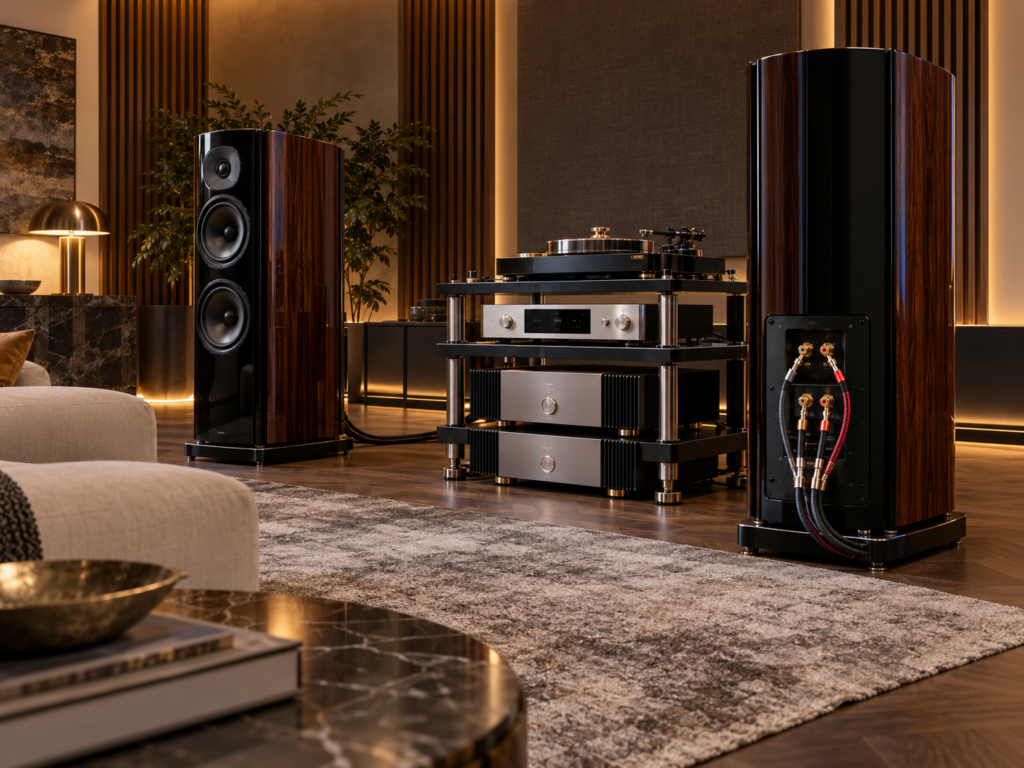
Creating a high-quality audio system involves more than choosing powerful speakers and an advanced amplifier. Every connection between components plays an important role in maintaining signal quality and delivering a consistent listening experience.
For many audiophiles, speaker jumper cables are an essential but often overlooked part of a speaker setup. These small cables connect the separate terminals found on many modern speakers, especially those designed for bi-wiring or bi-amplification.
Although they may appear simple, properly designed speaker jumper cables help ensure that the speaker receives the complete audio signal and performs as intended.
Whether you are building a home theater, upgrading a stereo system, or improving an existing hi-fi setup, understanding speaker jumper cables can help you make better decisions about your audio equipment.
This guide explains what speaker jumper cables are, how they work, their benefits, different types, installation methods, and what to consider before buying them.
What Are Speaker Jumper Cables?
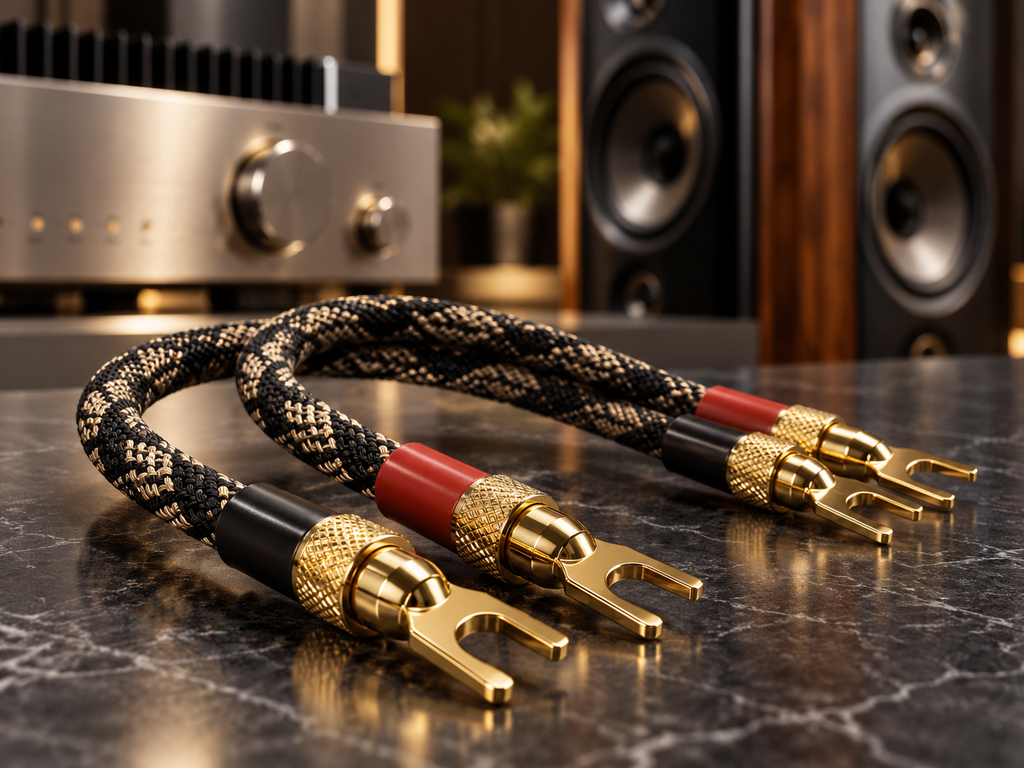
Speaker jumper cables are short audio cables used to connect multiple binding posts on a speaker.
Many high-performance speakers include four connection terminals instead of the standard two. These terminals allow users to separate the high-frequency and low-frequency sections of the speaker.
Typically, the terminals are divided into:
- High-frequency terminals for tweeters
- Low-frequency terminals for woofers
When a user connects only one speaker cable from an amplifier, speaker jumper cables connect the unused terminals so the entire speaker receives the audio signal.
Without these connections, certain speaker drivers may not receive power correctly.
Why Speaker Jumper Cables Are Important
The connection between an amplifier and speaker affects how effectively the audio signal travels.
A complete speaker connection requires:
- Quality speaker wire
- Secure connectors
- Proper polarity
- Reliable terminal contact
Speaker jumper cables help maintain continuity between speaker sections.
They can contribute to:
- Stable signal transmission
- Reliable speaker operation
- Cleaner connections
- Improved system consistency
For high-end audio systems, even small connection improvements can be important because every component contributes to overall performance.
Understanding Bi-Wire Speakers
To understand why speaker jumper cables are needed, it helps to understand bi-wire speaker designs.
What Is Bi-Wiring?
Bi-wiring uses separate speaker cables for different parts of the speaker.
A typical bi-wire speaker has separate terminals for:
- Treble frequencies
- Bass frequencies
Instead of sending the entire signal through one cable, bi-wiring allows separate connections between the amplifier and different speaker sections.
How Jumper Cables Work With Bi-Wire Speakers
If a speaker is not being used in a bi-wire configuration, the terminals must remain connected.
This is where jumper cables are used.
They create a bridge between:
- Positive high-frequency terminal
- Positive low-frequency terminal
- Negative high-frequency terminal
- Negative low-frequency terminal
This allows a standard speaker cable connection to power the entire speaker.
Benefits of High-Quality Speaker Jumper Cables
Choosing quality speaker jumper cables provides several advantages.
Better Connection Reliability
A strong physical connection reduces the risk of:
- Loose terminals
- Signal interruptions
- Poor contact
Premium connectors are designed to maintain stable contact over time.
Improved Audio Consistency
A reliable connection allows the speaker system to operate properly.
While many factors influence sound quality, maintaining a clean electrical connection is an important part of a well-designed audio system.
Better Compatibility With High-End Speakers
Many premium speakers include bi-wire terminals.
Using appropriate jumper cables ensures these speakers function correctly when connected with a standard amplifier setup.
Enhanced System Appearance
Audiophiles often care about both performance and presentation.
High-quality jumper cables with premium finishes can create a cleaner and more professional-looking setup.
Types of Speaker Jumper Cables
Speaker jumper cables are available in several designs depending on system requirements.
Standard Copper Jumper Cables
Copper is one of the most common conductor materials.
Benefits include:
- Good electrical conductivity
- Durability
- Affordable pricing
Many standard and premium jumper cables use copper conductors.
Oxygen-Free Copper (OFC) Jumper Cables
OFC cables are designed with reduced impurities compared with standard copper.
They are popular in audio applications because of their:
- Reliable conductivity
- Long-term durability
- Consistent performance
Silver-Plated Jumper Cables
Some premium cables use silver or silver-plated conductors.
Silver has excellent conductivity and is often used in high-performance audio products.
Braided Jumper Cables
Braided designs may improve flexibility and provide additional durability.
They are also popular among users who want a cleaner visual appearance.
Connector Options for Speaker Jumper Cables
The connector type affects installation and compatibility.
Banana Plug Connectors
Banana plugs are widely used in modern audio systems.
Advantages include:
- Easy installation
- Quick removal
- Secure connection
They are convenient for users who frequently adjust their setup.
Spade Connectors
Spade connectors attach around speaker binding posts.
Benefits include:
- Strong contact area
- Secure attachment
- Professional installation appearance
Many audiophiles prefer spade connectors for permanent setups.
Bare Wire Connections
Bare wire connections are simple and affordable.
However, they require careful installation to prevent:
- Loose strands
- Poor contact
- Short circuits
Choosing the Right Speaker Jumper Cables
Selecting the right jumper cables depends on your audio system.
Check Your Speaker Terminals
Before purchasing, inspect your speakers.
Look for:
- Number of terminals
- Binding post type
- Connector compatibility
Match Cable Quality With Your System
Your jumper cables should match the quality level of your equipment.
For example:
- Entry-level speakers may not require premium cables
- High-end speakers may benefit from higher-quality connections
Consider Cable Material
Different materials offer different characteristics.
Common options include:
- Copper
- Oxygen-free copper
- Silver-plated materials
Choose the Correct Connector
Select connectors that fit your speaker terminals.
Popular choices include:
- Banana plugs
- Spade connectors
Installation Guide for Speaker Jumper Cables
Installing jumper cables is generally straightforward.
Step 1: Turn Off Your Equipment
Before changing connections:
- Turn off the amplifier
- Disconnect power if needed
This protects both the user and the equipment.
Step 2: Identify Speaker Terminals
Locate the speaker binding posts.
They are usually marked:
- Positive (+)
- Negative (-)
Step 3: Remove Existing Jumpers
Many speakers come with factory-installed metal jumpers.
These can be replaced with upgraded jumper cables if desired.
Step 4: Connect New Jumper Cables
Attach the jumper cables between matching terminals.
Ensure:
- Correct polarity
- Secure connections
- No loose strands
Step 5: Test Your Audio System
After installation:
- Play familiar music
- Check both channels
- Confirm normal operation
Common Mistakes When Using Speaker Jumper Cables
Avoiding mistakes helps maintain audio performance.
Incorrect Polarity
Connecting positive and negative terminals incorrectly can affect speaker performance.
Always match the markings.
Loose Connections
Loose connectors may cause inconsistent performance.
Make sure all connections are secure.
Using Poor-Quality Materials
Low-quality cables may wear out faster or provide unreliable connections.
Ignoring Speaker Requirements
Not every speaker uses the same connection design.
Always check manufacturer recommendations.
Do Speaker Jumper Cables Improve Sound Quality?
This is one of the most common questions among audio enthusiasts.
The answer depends on the complete system.
Audio performance is influenced by:
- Speakers
- Amplifier
- Source equipment
- Room acoustics
- Cable quality
- Connections
Speaker jumper cables primarily improve connection quality and ensure proper signal distribution between speaker terminals.
In a high-quality system, maintaining excellent connections can help achieve consistent performance.
Speaker Jumper Cables vs Standard Speaker Wire
Although both use similar materials, they serve different purposes.
Speaker Wire
Speaker wire connects:
- Amplifier output
- Speaker input
It usually covers longer distances.
Jumper Cables
Speaker jumper cables connect:
- Speaker terminals together
They are much shorter and designed specifically for multi-terminal speakers.
Maintaining Speaker Jumper Cables
Proper maintenance helps keep connections reliable.
Inspect Connections Regularly
Check for:
- Loose connectors
- Dust buildup
- Corrosion
Keep Terminals Clean
Clean connections improve long-term reliability.
Avoid Physical Damage
Avoid:
- Excessive bending
- Pulling cables
- Damaging connectors
The Role of Speaker Jumper Cables in Audiophile Systems
Audiophiles often focus on optimizing every part of their setup.
A complete high-quality system includes:
- Digital or analog source
- Amplifier
- Speakers
- Cables
- Room setup
Speaker jumper cables represent one part of this chain.
While they are small, they help ensure that speakers with advanced terminal designs operate correctly.
Future Trends in Speaker Cable Technology
Audio cable technology continues to develop.
Future improvements may include:
- Advanced conductor materials
- Improved connector designs
- Better durability
- Sustainable manufacturing methods
As audio systems become more advanced, connection quality will continue to remain an important consideration.
Frequently Asked Questions About Speaker Jumper Cables
What are speaker jumper cables used for?
Speaker jumper cables connect separate speaker terminals, allowing all speaker drivers to receive the full audio signal when using a single amplifier connection.
Do all speakers require jumper cables?
No. Only speakers with multiple binding posts, such as bi-wire speakers, typically require jumper connections.
Can I replace factory speaker jumpers?
Yes. Many audiophiles replace standard factory jumpers with higher-quality cables.
Are expensive speaker jumper cables worth it?
The value depends on your audio system. High-quality jumpers may provide better construction and connection reliability.
Which connector is better: banana plug or spade?
Both can provide excellent connections. The best choice depends on speaker compatibility and personal preference.
Do speaker jumper cables change the sound?
Speaker jumper cables primarily improve connection quality. Any audible difference depends on the entire audio system.
Conclusion
Speaker jumper cables may be small components, but they play an important role in many advanced audio systems. They help connect speaker terminals properly, maintain reliable signal paths, and support the performance of bi-wire speaker designs.
Choosing the right speaker jumper cables requires understanding your speaker configuration, connector options, materials, and overall audio goals.
For music lovers and audiophiles, quality connections are an important part of building a complete listening experience. When combined with excellent speakers, amplifiers, and proper setup, speaker jumper cables help create a reliable foundation for high-quality sound.
Whether upgrading an existing hi-fi system or building a new home audio setup, investing attention in every connection can help you achieve the best possible performance from your equipment.