Creating high-quality video content once required specialized software, editing experience, expensive equipment, and plenty of time. Today, artificial intelligence is changing that process. AI video tools are making it easier for creators, marketers, businesses, and everyday users to turn ideas into engaging visual content.
ClipDance is part of this growing AI-powered creative landscape. Tools built around automated video generation and editing can help simplify tasks that traditionally required multiple steps, from developing visual concepts to producing short-form content.
For creators in the USA, this shift is particularly relevant because short-form video continues to play an important role across social platforms, advertising, personal branding, and digital marketing.
Whether you are a beginner experimenting with AI video or an experienced creator looking for a faster workflow, understanding how platforms such as ClipDance fit into modern content creation can help you make better decisions.
What Is ClipDance?
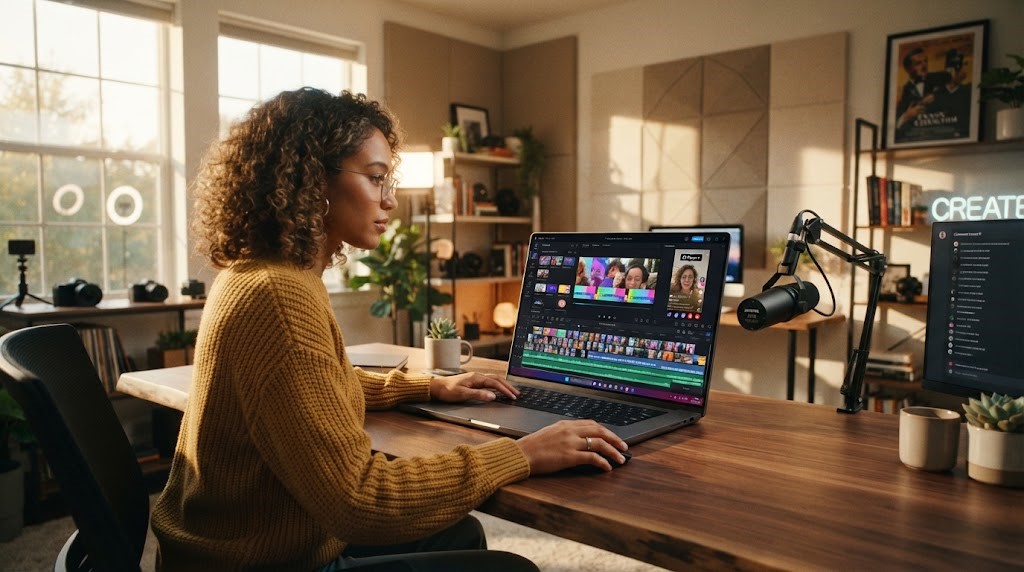
ClipDance is an AI-focused creative platform designed around video content creation.
The broader idea behind AI video platforms is simple: instead of manually completing every creative and editing task, users can provide instructions, assets, concepts, or other inputs and allow AI-powered technology to assist with parts of the production process.
This can make video creation more accessible to people who do not have extensive editing experience.
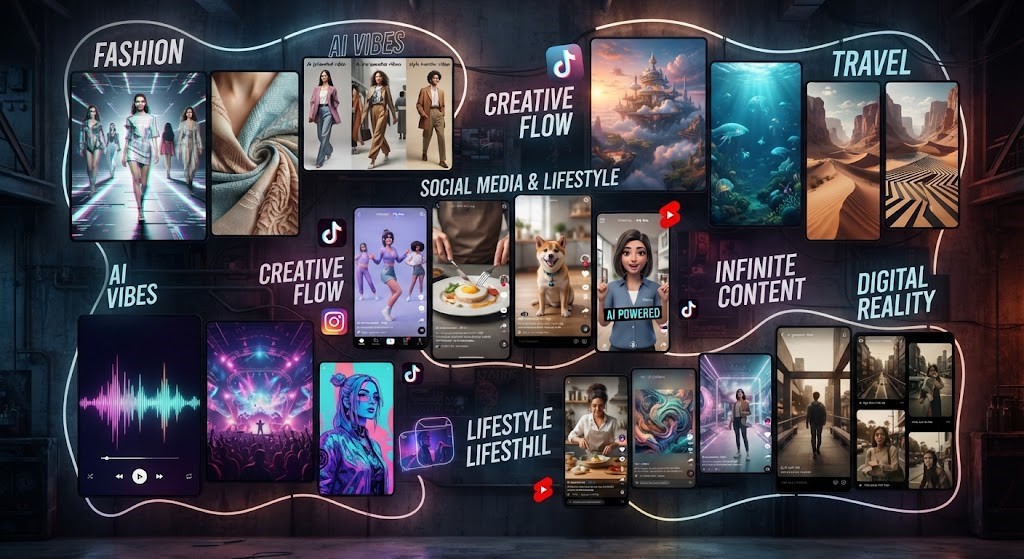
AI-assisted video creation can be useful for several types of content, including:
- Short-form social media videos
- Promotional content
- Product-focused videos
- Creative experiments
- Personal projects
- Marketing visuals
- Social media campaigns
- Concept videos
- Visual storytelling
The exact capabilities available on a platform can change as AI technology develops, so users should review the current features and terms directly before starting a project.
Why AI Video Creation Is Growing
Video has become one of the most important formats for online communication.
A business can use video to introduce a product, explain a service, demonstrate a feature, or build its brand personality. Individual creators can use it to share tutorials, entertainment, commentary, travel experiences, or personal stories.
However, traditional video production can involve multiple stages.
A typical workflow might include writing a concept, recording footage, selecting clips, editing the timeline, adding music, creating captions, adjusting colors, exporting the video, and preparing different versions for various platforms.
AI can potentially reduce the amount of manual work involved in some of these stages.
Faster Content Production
One of the biggest attractions of AI video tools is speed.
Instead of starting every project from an empty editing timeline, creators can use AI-assisted workflows to develop content concepts or transform existing material more quickly.
This can be especially useful for social media creators who need to publish content regularly.
Lower Technical Barriers
Professional video editing software can have a steep learning curve.
AI interfaces can simplify certain creative tasks by allowing users to describe what they want or work from templates and automated tools.
This does not eliminate the need for creative judgment, but it can make video production more approachable for beginners.
More Room for Experimentation
AI can also encourage experimentation.
A creator may be able to test different visual styles, concepts, formats, or storytelling approaches without investing the same amount of time into each initial version.
That can be valuable during the idea-development stage.
How ClipDance Can Fit Into a Modern Content Workflow
The most effective way to think about AI video platforms is not necessarily as a replacement for creativity. Instead, they can function as part of a larger creative workflow.
A typical process might look like this:
Step 1: Start With an Idea
Every video begins with a concept.
Before using an AI tool, identify the purpose of the video. Are you trying to educate, entertain, promote a product, explain an idea, or tell a story?
A clear objective makes it easier to create useful prompts and make appropriate creative decisions.
Step 2: Define the Audience
Think about who will watch the content.
A video aimed at teenagers on a short-form social platform may have a very different visual style from a professional B2B marketing video.
Audience expectations should influence the tone, pacing, visuals, language, and length.
Step 3: Develop the Visual Direction
Decide what the video should look and feel like.
Consider elements such as:
- Color palette
- Lighting
- Camera style
- Setting
- Character appearance
- Motion
- Typography
- Music
- Overall mood
Clear instructions can help produce more consistent creative results.
Step 4: Generate or Edit Content
This is where an AI video platform can become part of the production process.
Depending on the available tools, creators may use AI to generate visuals, transform content, develop variations, or accelerate editing tasks.
Step 5: Review the Result
AI-generated content should always be reviewed before publication.
Look for visual inconsistencies, incorrect details, awkward movements, spelling mistakes, unnatural transitions, and anything that does not match the original concept.
Human review remains important because AI output can require correction.
Step 6: Optimize for the Platform
A video created for YouTube may require a different format from a vertical short intended for social media.
Consider the platform’s recommended dimensions, audience behavior, captions, thumbnails, pacing, and other publishing requirements.
ClipDance and Short-Form Video Content
Short-form video has changed how online audiences consume information.
Creators often have only a few seconds to capture attention, which makes visual clarity and strong storytelling particularly important.
AI tools can support this format by helping creators explore concepts quickly.
For example, a marketer might develop several variations of a product introduction and test different hooks. A creator might experiment with multiple visual styles before selecting one for a finished video.
However, AI does not automatically guarantee engaging content.
A technically impressive video still needs a clear idea, useful information, strong storytelling, or an entertaining concept.
Using AI for Marketing Videos
Businesses can use AI video creation as part of broader digital marketing strategies.
Product Promotion
AI-assisted visuals can help businesses create promotional concepts for products or services.
This can be particularly useful for creating variations of social media advertisements or product-focused content.
Educational Content
Companies can also use video to answer common customer questions.
Short explainer videos can communicate basic information in an accessible format.
Brand Storytelling
Video can allow a business to communicate its personality.
Visual consistency, tone, colors, and storytelling can all contribute to a recognizable brand identity.
Social Media Campaigns
Marketing teams often need multiple versions of the same campaign for different platforms.
AI-assisted workflows can potentially reduce repetitive production tasks and make it easier to experiment with creative variations.
Tips for Creating Better AI Videos
Getting useful results from AI depends partly on how clearly you communicate your idea.
Be Specific
Instead of using a vague instruction such as “make a business video,” describe the desired setting, subject, style, audience, mood, and purpose.
Specific instructions generally provide clearer creative direction.
Keep the Concept Focused
A single video does not need to communicate everything.
Choose one central idea and build the visuals around it.
Think About Continuity
If your video includes the same person, product, location, or visual identity across multiple scenes, consistency matters.
Review each scene carefully to make sure important visual elements remain coherent.
Edit the Output
AI-generated content should be treated as a creative starting point rather than something that always requires no further work.
Adding captions, adjusting timing, replacing weak scenes, correcting details, and improving the audio can make the final product more polished.
Keep Your Brand Consistent
Businesses should maintain consistent colors, typography, messaging, logos, and visual style across their content.
AI-generated creativity works best when it supports a recognizable brand identity.
AI Video Creation for Beginners
You do not need to be an experienced filmmaker to explore AI video.
A beginner can start with a simple project.
Choose one short concept, define the audience, write a clear description of the desired result, generate an initial version, and review it carefully.
The first result may not be perfect.
That is normal with creative AI tools. Refining the instructions and making targeted adjustments can often produce a better result than expecting the first generation to be final.
The process can become easier as you learn which descriptions, visual references, and creative directions produce results that match your expectations.
Important Considerations When Using AI Video Tools
AI video creation offers convenience, but creators should also consider several practical issues.
Copyright and Ownership
Before publishing AI-assisted content commercially, understand the platform’s current terms and the rights associated with any assets you provide or generate.
Music, images, logos, characters, footage, and other third-party materials may have separate rights considerations.
Accuracy
AI can generate visually convincing but incorrect information.
This matters particularly when producing educational, financial, medical, legal, or news-related content.
Always verify factual claims before publishing.
Authenticity
Audiences are becoming increasingly familiar with AI-generated content.
Creators should consider whether disclosure is appropriate for their audience, platform, or type of content.
Privacy
Avoid uploading confidential or sensitive information unless you understand how the platform handles submitted data.
Businesses should pay particular attention to internal documents, customer information, unreleased products, and proprietary materials.
ClipDance vs. Traditional Video Editing
Traditional video editing provides detailed manual control.
Editors can work frame by frame, precisely adjust audio, create complex compositions, and fine-tune every element.
AI-assisted tools offer a different approach. They can potentially accelerate certain creative tasks and reduce the amount of manual work required for some projects.
The two approaches do not necessarily have to compete.
Many creators can combine AI-assisted generation with traditional editing software. AI can help develop an initial concept, while conventional tools can be used for final refinement.
The most suitable workflow depends on the creator’s goals, technical experience, content type, and required level of control.
The Future of AI Video Creation
AI video technology is developing rapidly.
As these systems improve, creators can expect continued experimentation around automated editing, generation, personalization, visual consistency, audio, animation, and other aspects of production.
The biggest opportunity may not be simply producing videos faster. It may be enabling more people to experiment with ideas that previously required specialized technical skills.
For businesses, this could mean testing more creative concepts. For independent creators, it could mean producing content more efficiently. For educators, it could provide new ways to explain complicated topics visually.
At the same time, human creativity remains important.
The strongest content still depends on understanding an audience, developing a useful idea, telling a coherent story, and making thoughtful editorial decisions.
Frequently Asked Questions About ClipDance
What is ClipDance used for?
ClipDance is associated with AI-powered video creation and creative workflows. Users should check the platform’s current website and documentation for the latest information about its available features.
Is ClipDance suitable for beginners?
AI video platforms can be accessible to beginners because they can simplify parts of the traditional production process. However, learning basic principles of storytelling, prompting, editing, and visual composition can improve results.
Can AI video tools create social media content?
Yes, AI video technology can be used as part of social media content workflows. Creators should still optimize each video for the intended platform, audience, format, and publishing requirements.
Can businesses use AI-generated videos?
Businesses can incorporate AI-assisted videos into marketing, educational, promotional, and social media campaigns. They should review licensing, commercial-use rights, privacy requirements, and platform terms before publishing.
Does AI replace professional video editors?
AI can automate or accelerate certain tasks, but professional editors still provide creative judgment, storytelling, pacing, technical control, and quality assurance. For complex productions, human expertise can remain valuable.
How can I improve AI-generated video results?
Start with a clear concept and detailed instructions. Specify the subject, setting, visual style, movement, mood, audience, and desired outcome. Then review and refine the result rather than relying entirely on the first generation.
Conclusion
ClipDance represents the broader movement toward more accessible AI-powered video creation. As artificial intelligence becomes increasingly integrated into creative workflows, individuals and businesses can explore new ways to produce visual content without relying entirely on traditional production processes.
The most useful approach is to view AI as a creative assistant. Start with a strong idea, provide clear direction, review the output carefully, and refine the final video for its intended audience and platform.
For USA-based creators, marketers, entrepreneurs, and businesses, AI video tools can become part of a flexible content strategy that supports experimentation and more efficient production.
As the technology continues to evolve, the combination of human creativity and AI-assisted production may offer increasingly practical ways to turn ideas into engaging video content.