There is something different about getting dressed up. It can turn an ordinary dinner into an event, make a date night feel more memorable, and give you an excuse to wear the clothes that spend too much time waiting in the back of your closet.
Dressing up does not necessarily mean wearing a floor-length gown or choosing the most expensive outfit you own. Modern style is much more flexible. You can look polished in tailored trousers and a fitted top, a flowing dress with flats, a matching set, or even elevated denim when the setting allows it.
The real goal is to create an outfit that looks intentional while still allowing you to feel like yourself.
That idea is especially relevant right now. Current fashion conversations are moving away from the belief that dressing up must be saved for major formal events. Style experts increasingly describe it as a form of self-expression, confidence, and personal identity. At the same time, restaurant dressing has become an opportunity to wear more thoughtful outfits even when there is no strict dress code.
Whether you are heading to an upscale restaurant, birthday celebration, date, cocktail party, wedding event, theater performance, or simply want to look better for a night out, a few styling principles can make getting ready much easier.
Why Getting Dressed Up Still Matters
Clothing affects more than appearance.
The right outfit can change the way you carry yourself. A sharp blazer, favorite pair of heels, elegant watch, or dress that fits beautifully can make an ordinary evening feel different before you even leave home.
Getting dressed up can also be creative. It gives you the opportunity to combine pieces that you might not wear during your everyday routine.
A statement necklace that feels too dramatic for the office might be perfect at dinner. A satin skirt that sits untouched during the week suddenly makes sense with a simple knit top and heels.
The important point is that dressing up does not require becoming someone else. The best evening outfits usually look like a more polished version of your existing personal style.
Start With the Occasion
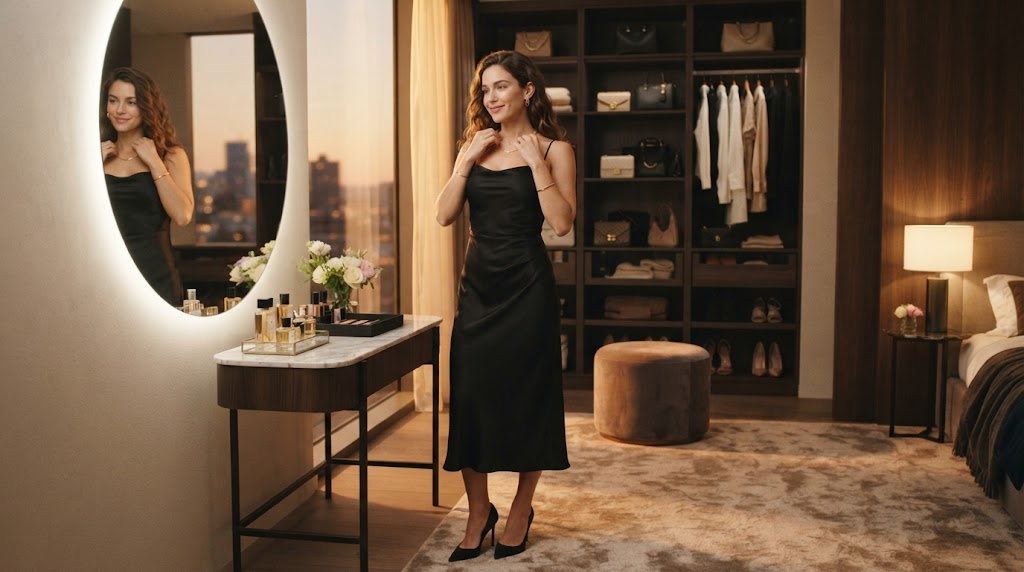
Before choosing an outfit, think about where you are actually going.
A rooftop cocktail bar calls for a different look from a steakhouse, theater, backyard engagement party, or formal wedding.
Check the Dress Code
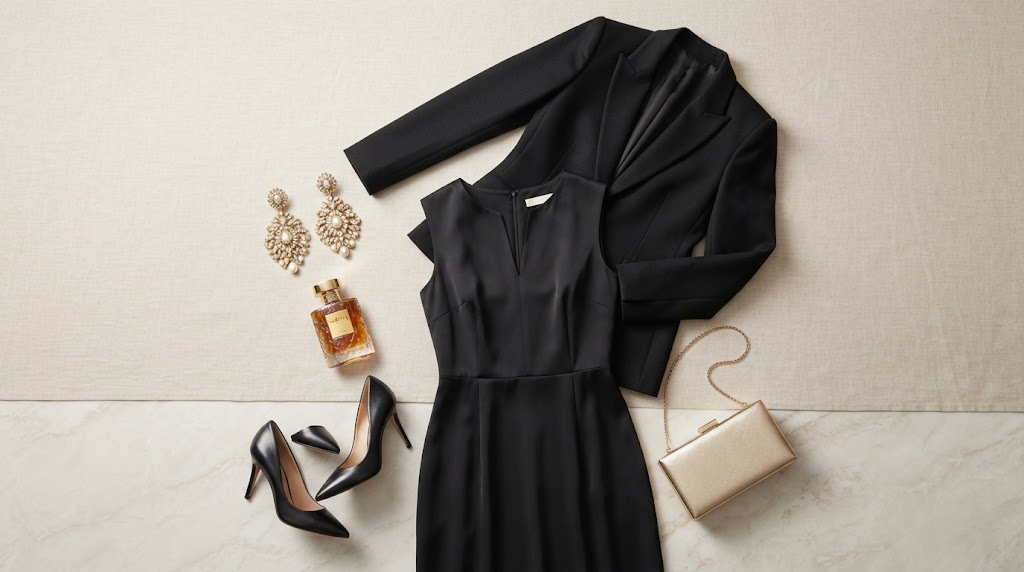
If an invitation provides a dress code, use it as your starting point.
Common terms include:
- Casual
- Dressy casual
- Smart casual
- Cocktail
- Semi-formal
- Black tie optional
- Black tie
When there is no official dress code, look at the venue itself.
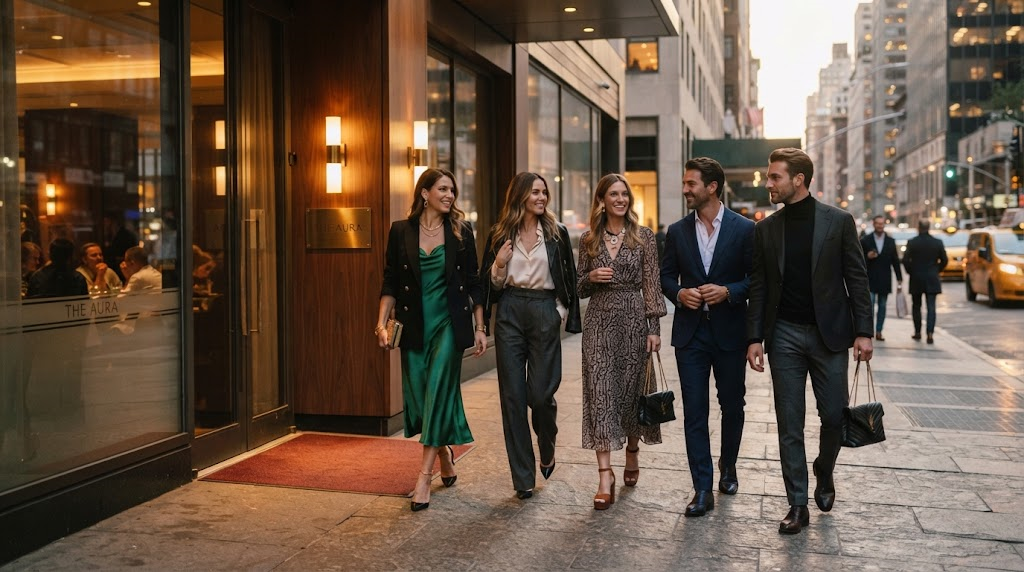
InStyle’s guidance for fancy dinner outfits recommends checking the restaurant’s social media when you are unsure how people typically dress there. It is a simple way to see whether guests usually arrive in jeans and blazers, cocktail dresses, tailored separates, or more formal eveningwear.
Being slightly overdressed is often easier to manage than being noticeably underdressed, but there is no reason to wear a formal gown to a relaxed neighborhood restaurant simply because it is date night.
Build the Outfit Around One Strong Piece
One of the easiest ways to make getting dressed up less stressful is to choose one main item first.
That could be:
- A statement dress
- Wide-leg trousers
- A tailored blazer
- A satin skirt
- A jumpsuit
- A silk blouse
- An embellished top
- A great pair of shoes
Once you have the anchor piece, everything else can support it.
For example, if you choose metallic heels, you may want the rest of the outfit to remain simple. If your dress already has dramatic sleeves, bold color, or an interesting neckline, minimal jewelry may be enough.
Trying to make every piece of an outfit compete for attention usually creates more confusion than style.
Elegant Dinner Outfit Ideas
Dinner is one of the most common reasons people want to dress up without looking excessively formal.
Fortunately, there are plenty of options.
A Midi Dress and Simple Accessories
A midi dress is one of the most dependable dinner choices.
It feels polished without requiring the formality of a gown. Choose a silhouette that allows you to sit and move comfortably, then add heels, ballet flats, or sleek boots depending on the season.
Finish with understated jewelry and a small handbag.
Tailored Trousers and a Dressy Top
For someone who does not enjoy dresses, tailored pants can look just as elegant.
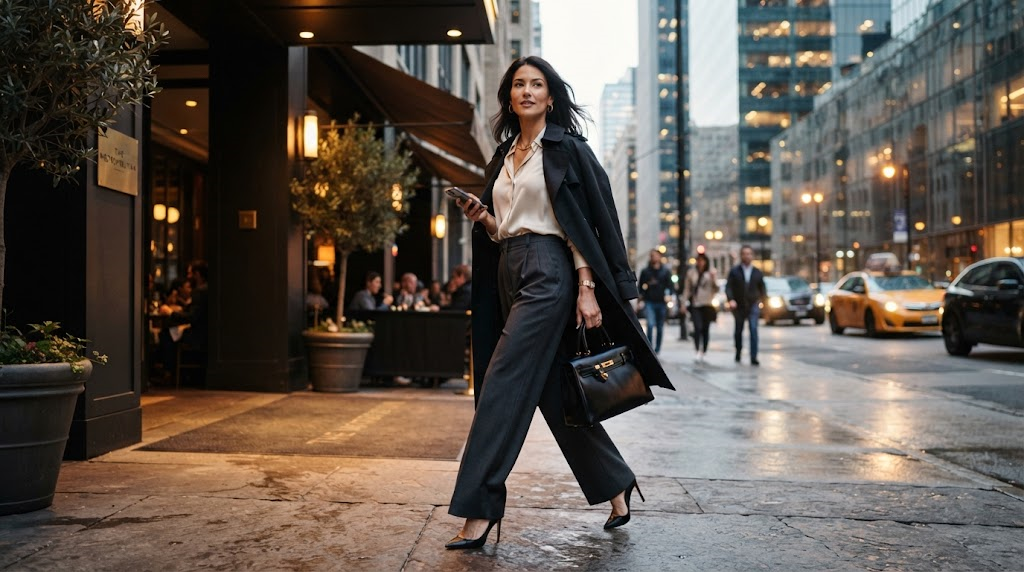
Wide-leg trousers remain particularly useful because they can move easily between professional, dinner, and evening settings. Wider trouser silhouettes have continued to appear prominently in 2026 fashion coverage, making them both practical and current.
Pair black, cream, gray, chocolate, or navy trousers with a silk blouse, fitted knit, draped top, or statement jacket.
Add pointed shoes and structured accessories for a clean finish.
A Monochromatic Outfit
Wearing one color from head to toe is one of the simplest ways to make an outfit look intentional.
Black is the obvious choice, but monochromatic dressing also works beautifully with cream, chocolate brown, burgundy, navy, olive, or gray.
InStyle’s fancy-dinner styling advice includes coordinated and monochromatic looks as an effective way to create sophisticated outfits without unnecessary complication.
Different textures keep a one-color outfit interesting. Consider combining wool with satin, leather with knitwear, or silk with structured tailoring.
A Modern Jumpsuit
A jumpsuit can solve the entire outfit in one step.
A tailored black jumpsuit with elegant jewelry can work for a restaurant, party, anniversary dinner, or cocktail event.
Look for a shape that defines the waist and provides enough room to sit comfortably.
Comfort Is Part of Looking Elegant
A beautiful outfit loses some of its appeal if you spend the entire night adjusting it.
When you are dressing for dinner, comfort becomes particularly important because you may be sitting for several hours.
InStyle stylist Lisa Sher-Chambers emphasizes balancing sophistication with comfort, particularly for meals where clothing needs to remain comfortable through multiple courses.
Before leaving home, sit down in the outfit.
Walk around.
Raise your arms.
Try your coat over it.
Make sure shoes are wearable for the amount of walking involved.
An outfit that looks effortless usually works because the person wearing it is not constantly thinking about it.
Use Accessories to Change the Level of Formality
Accessories can completely transform simple clothes.
A black dress with flat sandals feels different from the same dress with pointed heels, statement earrings, and an evening clutch.
Likewise, tailored trousers and a white shirt can move from office appropriate to dinner ready with jewelry, stronger shoes, a belt, and a small handbag.
Jewelry
Choose jewelry based on the neckline and overall outfit.
If the clothing is minimal, dramatic earrings or layered necklaces can provide personality.
If the dress is heavily embellished, simpler pieces may create a cleaner result.
Handbags
Smaller bags usually feel more evening appropriate.
Clutches, mini shoulder bags, and structured top-handle bags can instantly elevate an outfit.
You do not need to match your bag perfectly to your shoes. Coordinating the overall mood is usually more modern than using identical colors.
Shoes
Shoes influence both style and comfort.
Classic pumps remain reliable, but loafers, slingbacks, ballet flats, kitten heels, sleek boots, and sophisticated sandals can all work.
Modern dressing is less dependent on extremely high heels than it once was. Choose footwear that complements your proportions and allows you to enjoy the evening.
Play With Texture Instead of Adding More Pieces
One reason a simple outfit can look expensive is texture.
Consider combining fabrics such as:
- Silk
- Satin
- Velvet
- Suede
- Leather
- Lace
- Cashmere
- Fine knit
- Chiffon
A plain satin skirt and soft sweater can look much more interesting than two basic cotton pieces, even when both outfits use exactly the same colors.
InStyle’s dinner outfit recommendations specifically highlight materials such as chiffon and sequins, along with flowing fabrics and tailored pieces, as ways to create elevated looks.
Try a Statement Jacket or Blazer
A blazer is one of the easiest items for turning a basic outfit into something more polished.
Wear one over:
- A slip dress
- A fitted tank
- A bodysuit
- A blouse
- Straight-leg jeans
- A midi skirt
- Tailored pants
For evening dressing, look beyond the standard office blazer.
Velvet, satin lapels, strong tailoring, cropped proportions, tuxedo styling, or interesting buttons can make the jacket feel more appropriate for a night out.
Tuxedo influences also appeared prominently in fall 2026 fashion coverage, reinforcing the continued relevance of evening tailoring.
Getting Dressed Up Without Buying Something New
A common mistake is assuming every special event requires a new outfit.
Often, your closet already contains everything you need.
Try changing the combinations first.
A work blazer might become an evening layer over a slip dress. A simple black dress can look completely different with a belt and bold earrings. A satin blouse usually worn with office trousers might work with jeans and heels for dinner.
Create a Small Dress-Up Capsule
Keeping a few dependable pieces together can make future events easier.
A practical collection might include:
- One black or neutral dress
- One pair of tailored trousers
- One elegant blouse
- One blazer
- One statement accessory
- One small evening bag
- One pair of dressy flats
- One pair of heels or sleek boots
These pieces can create many different outfits without requiring a large formal wardrobe.
Seasonal Ideas for Getting Dressed Up
Season affects both fabrics and layering.
Spring
Spring works well with lighter colors, flowing fabrics, soft tailoring, and dresses layered with trench coats or lightweight jackets.
Try pastels, floral details, cream, light gray, soft blue, or fresh green.
Summer
Warm-weather evening dressing should prioritize breathable fabrics.
Linen blends, silk, cotton, lightweight tailoring, and open footwear can help you look polished without overheating.
Coordinated linen, satin, and tailored sets have remained popular in 2026 because they provide an easy way to look put together with relatively little styling.
Fall
Fall is ideal for texture.
Suede, leather, knitwear, long skirts, tailored pants, boots, and rich shades such as burgundy, chocolate, navy, forest green, and plum work beautifully.
Current fall 2026 fashion coverage has highlighted bold colors, leather, draped shapes, vintage-inspired silhouettes, and more expressive dresses, giving evening dressers plenty of options beyond basic black.
Winter
Winter allows for richer materials.
Velvet, sequins, satin, wool, faux fur, and metallic accents can make even straightforward silhouettes feel special.
The key is planning outerwear as part of the outfit rather than throwing an everyday coat over formal clothing at the last minute.
Modern Dressing Is About Personal Style
There is no universal formula for looking dressed up anymore.
One person feels elegant in a silk dress. Another feels more confident in a tailored suit.
Someone else may prefer vintage clothing, minimalist separates, dramatic jewelry, or an unexpected combination of casual and formal pieces.
Fashion commentary in 2026 has increasingly emphasized dressing up as a way to express identity rather than simply following formal rules. Stylists have also encouraged contrast—mixing elements that might not traditionally be paired—to give outfits more individuality.
That gives you permission to experiment.
The most memorable outfits often contain something personal rather than simply reproducing a trend.
Common Mistakes to Avoid When Getting Dressed Up
Avoid wearing something purely because it looks impressive on another person.
Fit, comfort, personality, and setting matter more than copying an outfit exactly.
Do not ignore underwear and foundation garments either. The wrong bra, visible seams, or uncomfortable shapewear can change how clothing sits.
Avoid experimenting with completely unfamiliar shoes for an event that involves significant walking.
Finally, do not over-accessorize simply because the occasion feels important. You rarely need statement earrings, a statement necklace, dramatic shoes, a bold bag, and an embellished dress all at once.
Editing is part of styling.
Frequently Asked Questions About Getting Dressed Up
What does getting dressed up mean?
Getting dressed up generally means choosing clothing that is more polished or intentional than your everyday outfit. The exact level of formality depends on the event, venue, and your personal style.
What should I wear to a fancy dinner?
A midi dress, tailored trousers with an elegant top, a jumpsuit, a coordinated set, or a skirt with polished accessories can all work. Consider the restaurant’s atmosphere and dress code before deciding.
Can I wear jeans when getting dressed up?
Yes, in the right setting. Dark, well-fitting jeans can work with heels or loafers, a polished blouse, structured blazer, and refined accessories for a dressy-casual dinner. They are generally not appropriate when the invitation specifies formal or cocktail attire.
Do I have to wear heels to look dressed up?
No. Elegant flats, slingbacks, polished loafers, pointed ballet flats, and dressy boots can all create sophisticated outfits. The overall styling matters more than heel height.
How can I make a simple outfit look more elegant?
Focus on fit, fabric, shoes, accessories, grooming, and thoughtful color combinations. Adding a structured blazer, statement jewelry, polished handbag, or elegant shoes can quickly elevate basic clothing.
What colors look elegant for evening events?
Black, navy, burgundy, chocolate, cream, emerald, deep red, metallics, and jewel tones are popular choices, but nearly any color can look sophisticated when the fabric, fit, and styling work together.
What if I do not know the restaurant dress code?
Check the restaurant’s website and social media pages to see photographs of the space and guests. You can also call the restaurant directly if the venue appears especially formal. InStyle similarly recommends checking a venue’s social presence when a clear dress code is unavailable.
Conclusion
Getting dressed up should not feel like a complicated fashion test.
The most successful outfits usually begin with understanding the occasion, choosing one strong piece, paying attention to fit and comfort, and adding accessories that make the look feel intentional.
You do not need a completely new wardrobe for every dinner, date, celebration, or special event. A small selection of dresses, tailored separates, jackets, shoes, and accessories can produce dozens of combinations when styled thoughtfully.
Current fashion also gives you more freedom than ever. Wide-leg trousers can feel as elegant as a dress. Flats can replace heels. Tailoring can replace traditional eveningwear. Texture, color, accessories, and personality can turn simple basics into memorable outfits.
Most importantly, do not save every favorite piece for an imaginary perfect occasion.
A stylish dinner, anniversary, theater night, birthday, or evening with friends is already a reason to wear something that makes you feel good.
Getting dressed up is ultimately less about following rigid rules and more about approaching your clothes with intention. When your outfit suits the setting, feels comfortable, and reflects your personality, you are far more likely to look confident—and confidence is what makes almost any outfit feel finished.