Modern customers increasingly expect personalized products that match their specific needs, preferences, and lifestyles. Whether buying furniture, vehicles, industrial equipment, electronics, or custom-made products, consumers want the ability to choose features, colors, materials, and specifications before making a purchase.
For businesses, managing customization can become complicated without the right technology. This is where product configurator software provides a powerful solution.
Product configurator software allows companies to create interactive experiences where customers, sales teams, and manufacturers can customize products digitally before production. These tools help visualize options, reduce errors, improve communication, and simplify the entire buying process.
From e-commerce brands to manufacturing companies, product configuration technology is transforming how businesses design, sell, and deliver customized products.
This guide explains what product configurator software is, how it works, its benefits, key features, applications, and how businesses can choose the right solution.
What Is Product Configurator Software?
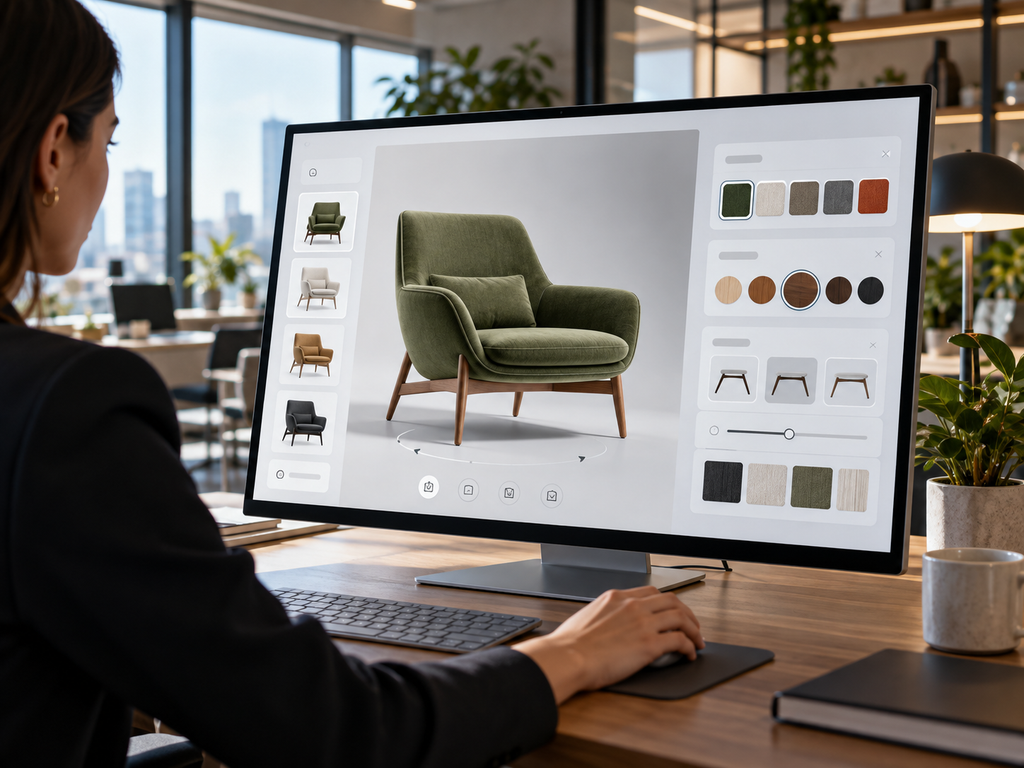
Product configurator software is a digital tool that allows users to customize products by selecting different options, features, and specifications.
Instead of choosing from fixed product listings, customers can interact with a product and create a personalized version.
A product configurator may allow users to customize:
- Colors
- Materials
- Sizes
- Components
- Accessories
- Design features
The software then generates a customized product representation, pricing information, or production specifications.
How Product Configurator Software Works
Product configurators connect customer choices with product rules and business systems.
The process usually involves several steps.
Product Selection
Users begin by selecting a base product.
Examples include:
- Furniture models
- Industrial machines
- Vehicles
- Consumer products
Customization Options
The software displays available choices.
Customers can modify:
- Appearance
- Features
- Components
- Technical specifications
Real-Time Visualization
Advanced configurators provide instant visual feedback.
Customers can see how their selections change the final product.
This improves confidence before purchase.
Pricing Updates
Many configurators automatically adjust pricing based on selected options.
This provides:
- Transparent pricing
- Faster sales conversations
- Better customer understanding
Final Configuration Output
After customization, the software can generate:
- Product details
- Sales quotes
- Manufacturing information
- Order specifications
Why Businesses Use Product Configurator Software
Customization creates opportunities but also introduces complexity.
Product configurator software helps businesses manage this complexity efficiently.
Improves Customer Experience
Customers prefer interactive buying experiences.
A configurator allows them to:
- Explore options
- Visualize results
- Make informed decisions
This creates a more engaging shopping journey.
Reduces Product Selection Confusion
Complex products often have many variations.
Without proper guidance, customers may become overwhelmed.
A configurator simplifies the process by showing only relevant options.
Increases Sales Confidence
When customers can visualize their customized product, they are more likely to understand its value.
This can improve:
- Purchase confidence
- Customer satisfaction
- Conversion rates
Reduces Errors
Manual customization processes can create mistakes.
Product configurators help ensure:
- Correct specifications
- Accurate orders
- Better communication between teams
Supports Faster Production
Manufacturers can receive accurate product information directly from configuration systems.
This helps streamline:
- Planning
- Production
- Inventory management
Key Features of Product Configurator Software
Different software solutions offer different capabilities.
Important features include:
3D Product Visualization
One of the most valuable features is interactive 3D visualization.
Customers can view products from different angles and understand customization choices better.
Benefits include:
- Better product understanding
- Higher engagement
- More realistic shopping experience
Rule-Based Configuration
Complex products often have specific rules.
For example:
- Certain parts may only work together
- Some options may require additional components
Rule-based configuration ensures customers select compatible options.
Real-Time Pricing
Dynamic pricing allows customers to see how customization affects cost.
This improves transparency and reduces pricing questions.
Integration Capabilities
A good product configurator should connect with existing systems.
Common integrations include:
- E-commerce platforms
- Customer relationship management systems
- Enterprise resource planning software
- Manufacturing systems
Mobile Compatibility
Many customers shop using mobile devices.
Responsive configurators provide a better experience across:
- Smartphones
- Tablets
- Desktop computers
Benefits of Product Configurator Software for E-Commerce
Online businesses can significantly benefit from product customization tools.
Creates Interactive Shopping Experiences
Traditional product pages show fixed options.
Configurators allow customers to actively participate in product creation.
Reduces Returns
Many product returns happen because customers receive something different from what they expected.
Visualization helps customers understand their purchase before ordering.
Supports Premium Pricing
Customization often increases perceived value.
Customers may be willing to pay more for personalized products.
Improves Brand Differentiation
A unique customization experience can help businesses stand out from competitors.
Applications of Product Configurator Software
Product configurators are used across many industries.
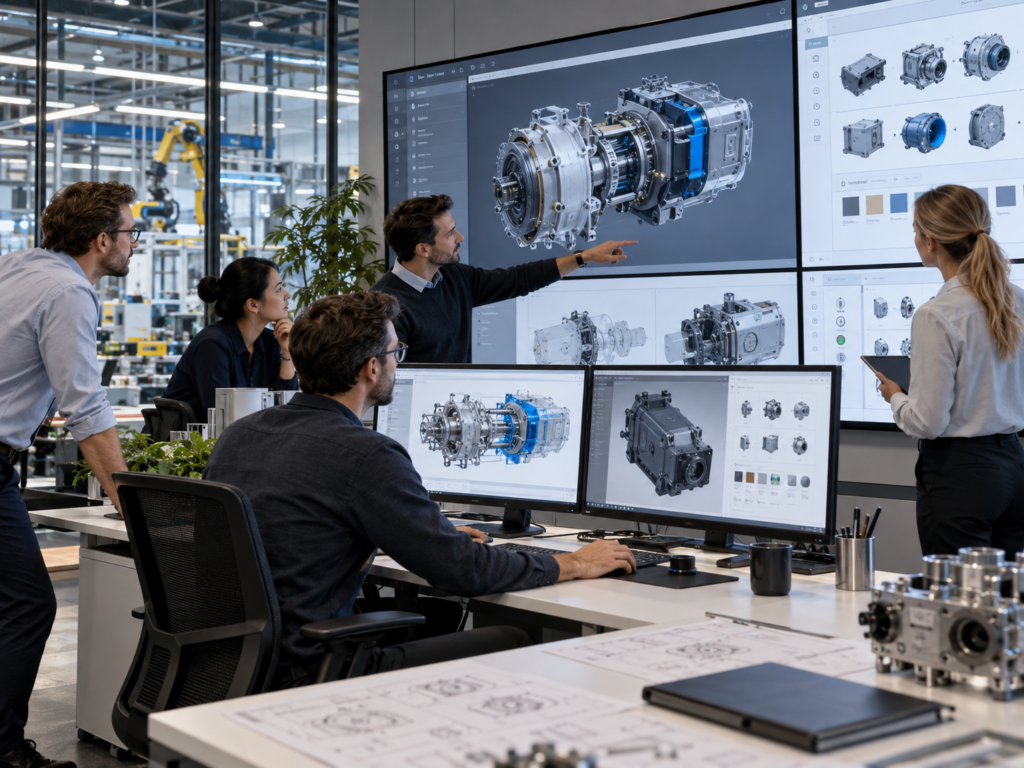
Manufacturing
Manufacturers use configurators for complex products such as:
- Industrial equipment
- Machinery
- Components
- Custom solutions
They help manage technical specifications and production requirements.
Furniture Industry
Furniture companies use configurators to allow customers to customize:
- Fabrics
- Colors
- Sizes
- Designs
Customers can visualize furniture before purchase.
Automotive Industry
Vehicle manufacturers use configuration tools to customize:
- Models
- Interior options
- Exterior colors
- Features
Architecture and Construction
Construction companies use configurators for:
- Building components
- Design choices
- Material selection
Consumer Products
Brands selling customizable products use configurators for:
- Shoes
- Clothing
- Accessories
- Electronics
Product Configurator Software in Manufacturing
Manufacturing businesses often face challenges when producing customized products.
Traditional processes may involve:
- Manual calculations
- Multiple approvals
- Communication delays
Configurator software improves this by connecting customer choices with technical requirements.
Benefits include:
- Faster quoting
- Fewer mistakes
- Improved production efficiency
The Role of 3D Technology in Product Configuration
Modern configurators increasingly use 3D technology.
3D visualization allows customers to experience products before purchasing.
Advantages include:
- Realistic previews
- Better decision-making
- Increased engagement
For complex products, 3D configuration can replace confusing descriptions with visual understanding.
Product Configurator Software and Sales Teams
Sales teams often manage complex customer requests.
Configurator software helps sales professionals by providing:
- Faster quotes
- Accurate product information
- Visual demonstrations
Instead of explaining every option manually, sales representatives can guide customers through an interactive experience.
Choosing the Right Product Configurator Software
Selecting the right platform requires careful evaluation.
Define Your Business Requirements
Start by identifying:
- Product complexity
- Number of customization options
- Customer needs
- Existing systems
Evaluate Visualization Capabilities
If visual presentation is important, consider software with:
- 3D rendering
- Interactive views
- Real-time changes
Consider Scalability
Your configurator should support future growth.
Consider:
- Additional products
- More customization options
- Increased users
Check Integration Options
Ensure the software connects with your existing technology.
Evaluate User Experience
The configurator should be simple and intuitive.
A complicated interface may discourage customers.
Common Challenges When Implementing Product Configurator Software
While configurators provide many benefits, implementation requires planning.
Managing Complex Product Rules
Highly customizable products require accurate configuration logic.
Businesses need to clearly define:
- Available options
- Compatibility rules
- Pricing structures
Creating Accurate Product Data
Successful configurators depend on reliable information.
This includes:
- Product models
- Images
- Specifications
- Pricing data
Training Teams
Employees should understand how to use the system effectively.
Training helps maximize value.
The Future of Product Configuration Technology
Product configurator software continues to evolve with new technologies.
Future developments may include:
- Artificial intelligence recommendations
- Augmented reality visualization
- Advanced automation
- Improved personalization
AI-powered configurators may help customers discover products based on their preferences and requirements.
Product Configurator Software and Customer Personalization
Personalization has become a major business trend.
Customers increasingly want products that feel unique.
Configurators support personalization by allowing buyers to:
- Design their own products
- Explore creative options
- Control final results
This creates stronger emotional connections between customers and brands.
Frequently Asked Questions About Product Configurator Software
What is product configurator software used for?
Product configurator software helps businesses allow customers or sales teams to customize products, visualize options, calculate prices, and generate accurate specifications.
Which industries use product configurator software?
Industries including manufacturing, furniture, automotive, construction, and e-commerce use product configurators to manage customized products.
Does product configurator software improve sales?
Yes. By improving visualization, reducing confusion, and increasing customer confidence, configurators can support better sales experiences.
Can product configurators work with e-commerce websites?
Yes. Many product configurator solutions integrate with online stores and other business systems.
What is 3D product configuration?
3D product configuration allows users to interact with realistic digital models and view customization changes in real time.
Is product configurator software only for large companies?
No. Businesses of different sizes can use configurators depending on their products, customization needs, and budget.
Conclusion
Product configurator software has become an important technology for businesses that offer customized products. By combining visualization, automation, and customer interaction, these tools simplify complex buying decisions and improve the overall customer experience.
From manufacturing companies to online retailers, product configurators help businesses reduce errors, increase efficiency, and deliver personalized solutions.
As customer expectations continue to move toward customization and digital experiences, product configurator software will play an increasingly important role in modern commerce.
Businesses that invest in effective configuration solutions can create stronger customer relationships, streamline operations, and provide a more engaging way for customers to design and purchase products.