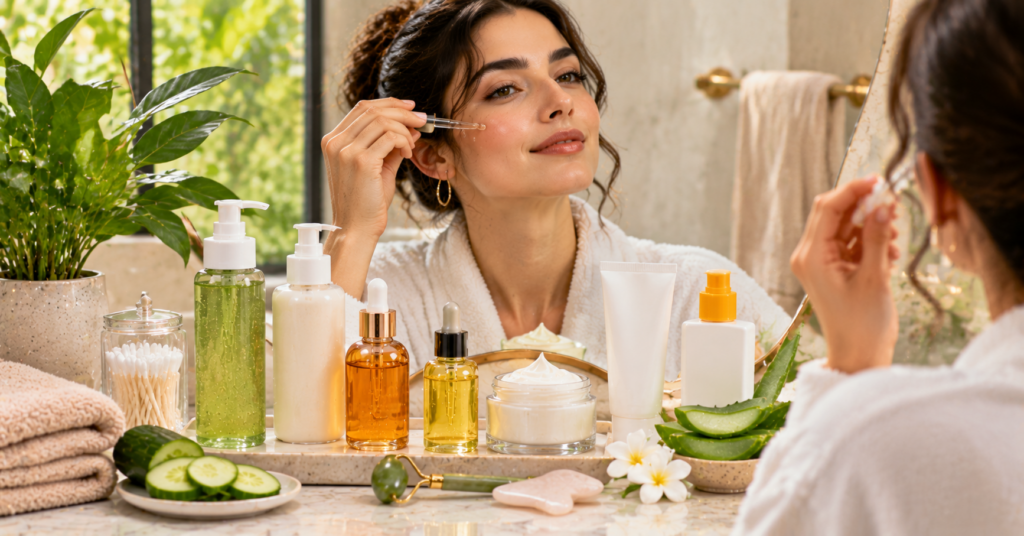
Healthy, glowing skin is not achieved overnight. It comes from consistent habits, suitable skincare products, and understanding what your skin needs. Whether you have dry, oily, combination, or sensitive skin, developing a simple routine can make a meaningful difference in how your skin looks and feels.
Many people spend money experimenting with different beauty products without understanding the importance of basic skincare practices. However, healthy skin does not necessarily require expensive treatments or complicated routines.
Following practical skincare tips can help you build a routine that supports hydration, protects your skin barrier, and addresses common concerns such as dryness, excess oil, and uneven texture.
In this guide, we explore 20 effective ways to care for your skin, choose suitable products, and develop healthy habits that fit your everyday lifestyle.
Why Is a Consistent Skincare Routine Important?
Your skin is your body’s largest organ and provides an important protective barrier against environmental conditions, microorganisms, and moisture loss.
Daily exposure to sunlight, pollution, sweat, and changing weather can affect its appearance and comfort.
Following reliable skincare tips helps you maintain a consistent approach to cleansing, moisturizing, and sun protection.
A good routine can help:
- Maintain skin hydration.
- Remove dirt, sweat, and excess oil.
- Support the skin’s natural protective barrier.
- Reduce irritation caused by unsuitable products.
- Protect against ultraviolet radiation.
- Improve the appearance of skin texture.
- Maintain a healthy-looking complexion.
The key is choosing products that suit your skin rather than following every beauty trend.
20 Essential Skincare Tips for Healthy, Glowing Skin
1. Know Your Skin Type
Before purchasing skincare products, identify your skin type.
Common skin types include:
- Dry skin: Often feels tight or rough.
- Oily skin: Produces excess sebum and may appear shiny.
- Combination skin: Has both oily and dry areas.
- Sensitive skin: May react easily to certain products.
- Normal skin: Generally feels comfortable without excessive dryness or oiliness.
One of the most useful skincare tips is understanding your skin’s needs before selecting products.
2. Cleanse Your Face Twice Daily
Facial cleansing helps remove accumulated dirt, sweat, excess oil, and other impurities.
Use a gentle cleanser in the morning and evening.
Avoid washing your face excessively because frequent cleansing can contribute to dryness and irritation.
Choose a cleanser designed for your skin type and follow its instructions.
3. Never Skip Moisturizer
Moisturizing helps maintain hydration and supports the skin’s protective barrier.
Even people with oily skin benefit from appropriate moisturizers.
Look for ingredients such as:
- Glycerin
- Hyaluronic acid
- Ceramides
- Shea butter
- Squalane
Choose a lightweight lotion for oily skin or a richer cream if your skin tends to feel dry.
4. Apply Sunscreen Every Morning
Sun protection is one of the most important skincare habits.
UV exposure contributes to sunburn, premature skin aging, and increased skin cancer risk.
Choose a broad-spectrum sunscreen with SPF 30 or higher.
Apply it to exposed skin and reapply according to the product instructions, especially after swimming, sweating, or extended outdoor exposure.
5. Drink Enough Water
Proper hydration supports overall health and normal body functions.
Although drinking extra water does not automatically eliminate wrinkles or acne, maintaining adequate hydration is beneficial for your body and skin.
Drink water regularly throughout the day according to your needs, activity level, and environment.
6. Avoid Over-Exfoliating
Exfoliation helps remove dead skin cells from the skin’s surface.
However, excessive exfoliation can cause redness, dryness, and irritation.
Depending on the product and your skin’s tolerance, gentle exfoliation once or twice weekly may be sufficient.
Avoid combining multiple strong exfoliating products without understanding how they interact.
7. Choose Products With Suitable Ingredients
Reading ingredient labels helps you select products that match your skincare needs.
Some commonly used ingredients include:
| Ingredient | Common Skincare Purpose |
|---|---|
| Hyaluronic acid | Hydration |
| Niacinamide | Skin barrier support |
| Vitamin C | Antioxidant skincare |
| Retinol | Improving the appearance of fine lines |
| Ceramides | Supporting the skin barrier |
| Salicylic acid | Managing clogged pores |
| Glycerin | Moisture retention |
Introduce unfamiliar ingredients gradually and follow product directions.
8. Remove Makeup Before Sleeping
Sleeping with makeup can leave cosmetic products, oil, and environmental impurities on your skin.
Use a gentle makeup remover or cleansing balm before washing your face.
Pay particular attention to mascara, foundation, and long-wearing cosmetic products.
Removing makeup properly helps maintain a clean and comfortable skincare routine.
9. Get Enough Quality Sleep
Sleep is important for overall health and normal skin maintenance.
Insufficient sleep can make some people appear tired and may contribute to a dull-looking complexion.
Establish a consistent sleep schedule and aim for approximately seven to nine hours of sleep each night if you are an adult.
10. Eat a Balanced Diet
Nutrition plays an important role in overall health.
Include a variety of fruits, vegetables, whole grains, healthy fats, and protein sources in your meals.
Foods containing vitamins, minerals, and antioxidants support normal bodily functions.
A balanced diet is more beneficial than relying on individual foods or supplements as quick solutions for skin concerns.
11. Keep Your Makeup Brushes Clean
Dirty makeup brushes can accumulate oil, cosmetic residue, and microorganisms.
Wash reusable brushes regularly with an appropriate gentle cleanser.
Allow them to dry completely before storing them.
Clean applicators help maintain better makeup hygiene.
12. Avoid Frequently Touching Your Face
Your hands come into contact with many surfaces throughout the day.
Repeatedly touching your face can transfer dirt, oil, and microorganisms.
Avoid picking at pimples or squeezing blemishes because this may increase irritation and the risk of scarring.
13. Use Lukewarm Water
Extremely hot water can strip away natural oils and make your skin feel dry.
Use lukewarm water when cleansing your face.
Pat your skin gently with a clean towel instead of rubbing it aggressively.
14. Maintain a Healthy Skin Barrier
Your skin barrier helps protect against environmental irritants and excessive moisture loss.
A damaged or irritated barrier may cause dryness, tightness, and sensitivity.
Some practical skincare tips for supporting your skin barrier include using gentle cleansers, applying moisturizers, avoiding excessive exfoliation, and introducing active ingredients gradually.
15. Choose Products According to the Season
Your skin’s needs can change with the weather.
During winter, cold air and indoor heating may contribute to dryness.
During summer, heat and perspiration may make lightweight formulations more comfortable.
Adjust your moisturizer and cleansing routine when necessary while maintaining consistent sun protection.
16. Avoid Changing Products Too Frequently
Trying multiple new products simultaneously makes it difficult to identify which ingredients work for your skin.
Introduce one new product at a time.
Give suitable products enough time to demonstrate their effects, while discontinuing anything that causes irritation.
17. Do Not Ignore Your Neck and Hands
Your neck and hands are also exposed to sunlight and environmental conditions.
Extend your moisturizer and sunscreen application to these areas when appropriate.
Consistent protection helps maintain skin health beyond the face.
18. Consider Your Stress Levels
Stress can influence skin conditions in some individuals.
For example, stress may worsen acne or contribute to flare-ups of certain inflammatory skin conditions.
Regular exercise, relaxation, sufficient sleep, and enjoyable activities can support overall well-being.
19. Patch-Test New Skincare Products
Even products marketed for sensitive skin can cause reactions.
Before using an unfamiliar product, follow appropriate patch-testing instructions.
Apply a small amount to a limited area and monitor for irritation.
A home patch test cannot guarantee that a product will never cause an allergic reaction.
20. Stay Consistent With Your Routine
Consistency is more important than having a large collection of expensive products.
Following these skincare tips regularly can help you develop healthier habits and understand how your skin responds to different products.
Focus on a routine that is simple, comfortable, and realistic for your lifestyle.
Morning vs. Nighttime Skincare Routine
Morning and evening routines have slightly different purposes.
Morning Skincare Routine
A practical morning routine includes:
- Gentle facial cleanser.
- Hydrating serum, if needed.
- Suitable moisturizer.
- Broad-spectrum SPF 30 or higher sunscreen.
The main priority is maintaining hydration and protecting your skin during daytime activities.
Nighttime Skincare Routine
An evening routine may include:
- Makeup remover, if needed.
- Gentle facial cleanser.
- Suitable treatment serum.
- Moisturizer.
Nighttime is also a convenient opportunity to use certain treatment products according to their instructions.
Common Skincare Mistakes to Avoid
Even good products may not provide the expected results when used incorrectly.
Avoid these common mistakes:
- Skipping sunscreen.
- Washing your face too frequently.
- Using harsh exfoliating products.
- Applying too many active ingredients together.
- Ignoring product expiration dates.
- Sleeping with makeup on.
- Picking or squeezing blemishes.
- Following trends without considering your skin type.
The most effective skincare tips are those that support your skin’s actual needs rather than adding unnecessary steps.
Frequently Asked Questions
What are the best skincare tips for beginners?
Start with three basic products: a gentle cleanser, moisturizer, and broad-spectrum sunscreen. Once your skin becomes comfortable with this routine, consider introducing additional products according to your needs.
How can I get glowing skin naturally?
Maintain a consistent skincare routine, moisturize regularly, protect your skin from sunlight, eat a balanced diet, and get sufficient sleep.
How often should I wash my face?
Most people benefit from washing their face twice daily, in the morning and evening. You may also need to cleanse after heavy sweating.
What is the most important skincare product?
Sunscreen is particularly important for protecting against UV damage. A gentle cleanser and suitable moisturizer also form the foundation of a practical skincare routine.
Are expensive skincare products better?
Not necessarily. Product suitability, formulation, ingredients, and consistent use matter more than price.
How long does it take to see skincare results?
It depends on the product and the concern being addressed. Some moisturizers provide immediate comfort, while treatments for acne, pigmentation, or texture may require several weeks or longer.
Can I use the same skincare routine throughout the year?
You can maintain the same basic routine, but you may need to adjust moisturizer texture and other products according to seasonal changes and your skin’s condition.
Conclusion
Healthy-looking skin comes from consistent care, suitable products, and everyday habits that support your skin’s natural protective functions.
Following these 20 skincare tips can help you build a practical routine focused on cleansing, hydration, sun protection, and maintaining a healthy skin barrier.
Remember that every person’s skin is different. What works for someone else may not work for you, so pay attention to your skin’s response and introduce new products gradually.
You do not need an expensive collection of beauty products to care for your skin. Start with the basics, stay consistent, and make informed decisions.
With patience and the right approach, you can develop a skincare routine that supports comfortable, healthy-looking skin throughout the year.